
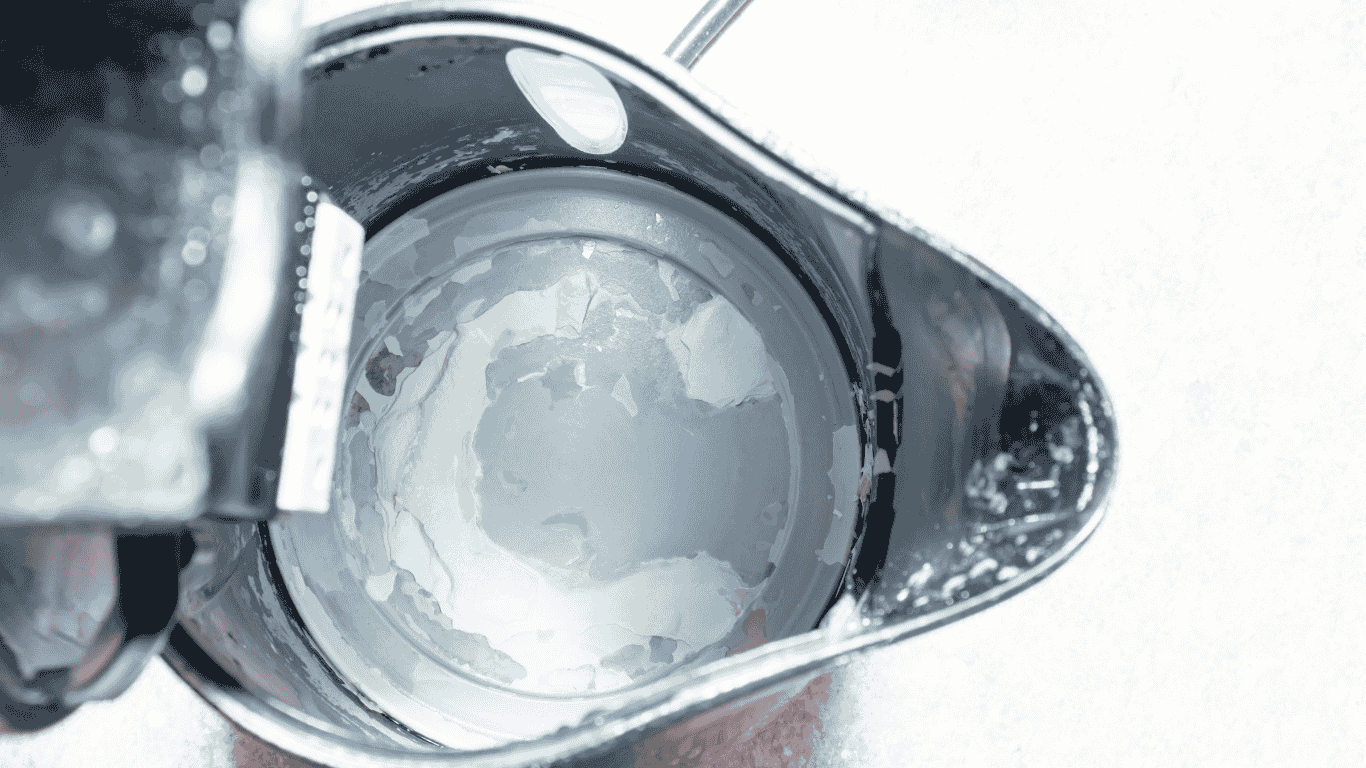
If you have ever noticed stubborn residue on surfaces or inconsistent performance from water-using equipment, you have already seen the effects of hard water. At its core, what is hard water comes down to water quality and the minerals it carries as it moves through the environment. Because these minerals are invisible, hard water is often misunderstood or dismissed as a minor nuisance.
In reality, it plays a much larger role in how systems operate day to day. From efficiency losses to long-term wear, hard water quietly influences performance across facilities, making it a topic worth understanding before problems show up.
What Is Hard Water?
When people ask what is hard water, the simplest answer is that it is water with a higher mineral content than you would find in pure water. As fresh water moves through soil and rock, minerals dissolved along the way become part of the water itself. The most common contributors are calcium and magnesium, which enter the supply naturally through contact with limestone and other mineral-rich formations.
Hard water is not a sign of contamination or poor treatment. It reflects the natural mineral content of the source water. In contrast, pure water contains little to no dissolved minerals, something that rarely exists outside of controlled or laboratory settings. Understanding hard water starts with recognizing that it is defined by chemistry, not appearance, smell, or taste.
Where Hard Water Comes From
Hard water forms long before it reaches a building. As rain and surface water seep into the ground, they become groundwater and begin interacting with surrounding rock and soil. This is where hardness minerals are picked up. Areas with limestone, chalk, or gypsum tend to produce water with higher mineral levels. Geological survey data often shows a clear connection between regional geology and local water conditions.
Because water supply sources differ, water hardness varies from one location to another, sometimes even within the same region. Well water is especially prone to higher hardness because it spends more time underground, allowing minerals to dissolve at varying degrees. Municipal systems may blend sources, but the mineral profile still reflects where the water originated.
Understanding Water Hardness and How It’s Measured
Water hardness is a way of expressing how much calcium and magnesium are present in a given volume of water. Instead of describing it in general terms, hardness is measured using specific values so operators can understand the severity and potential impact. The most common measurement in the United States is grains per gallon. One grain per gallon gpg represents a defined amount of mineral content dissolved in each gallon of water.
You may also see hardness reported in milligrams per liter, written as mg l, which is widely used in technical data and international standards. Both units describe the same thing, just in different formats. Understanding the hardness level helps teams compare sources, track changes, and make informed decisions about how water is managed across a system.
The Chemistry Behind Hard Water
Hard water chemistry centers on calcium and magnesium, two naturally occurring elements that dissolve easily as water moves through mineral-rich formations. In water, these elements exist as calcium and magnesium ions. Their charged nature gives them chemical properties that allow them to interact with surfaces, soaps, and system components in ways that softer water does not.
Dissolved calcium is usually the dominant contributor, although magnesium ions can also play a significant role depending on the source. Together, they make up the major ion chemistry found in most hard water supplies. Major ion chemistry concentrations influence how minerals behave once the water is in use, including how easily deposits form or reactions occur. Other minerals may be present as well, but calcium and magnesium drive most hardness-related effects that operators see in real-world systems.
Common Signs of Hard Water in Buildings and Facilities
Most teams recognize hard water by what it leaves behind. Soap scum is often the first giveaway. Instead of rinsing away cleanly, soap reacts with minerals and clings to surfaces. Operators see it on sinks, shower doors, and fixtures where water is used daily. Even when staff rinse completely, a cloudy film or residue can remain.
Over time, mineral deposits begin to form. This mineral buildup shows up as chalky or crusty calcium deposits around drains, valves, and spray nozzles. In systems exposed to heat, these deposits harden into scale buildup that becomes difficult to remove. Another common sign is the need for more soap or detergent to achieve the same cleaning results. These visible clues often appear long before performance issues surface deeper within the system.
How Hard Water Affects Plumbing and Water-Using Equipment
Hard water does more than leave residue on surfaces. Inside water pipes, minerals slowly attach to interior walls as water flowing through the system carries calcium and magnesium along. As mineral deposits build, the effective diameter of pipes narrows. Over time, this restriction can lead to clogged pipes and uneven distribution throughout a facility.
Operators often notice changes in water pressure first. Reduced flow can affect plumbing fixtures, spray patterns, and overall system balance. Water appliances such as dishwashers, washers, and process equipment also feel the impact. Scale forms on internal components, forcing equipment to work harder to achieve the same output. These issues rarely appear all at once. Instead, they develop gradually, increasing maintenance demands and shortening equipment life if left unaddressed.
Hard Water and Heating Systems
Heating systems tend to show the effects of hard water faster than other parts of a facility. When hard water passes through water heaters, the minerals it carries are exposed to elevated temperatures. Under heat, calcium and magnesium separate more readily from the water and attach to heating surfaces. This process accelerates scale buildup inside tanks, heat exchangers, and coils.
As scale thickens, it acts as an insulating layer. Water heaters must use more energy to transfer heat, which drives up operating costs and stresses components. Similar issues appear in washing machines that rely on heated water cycles. High concentrations of hardness minerals reduce efficiency, increase wear, and shorten equipment lifespan. Many teams only discover the issue after performance drops, even though the buildup has been forming quietly for years.
Hard Water, Soap, and Cleaning Performance
Soap performance changes noticeably when water is hard. In hard water, soap and detergents react with more calcium and magnesium instead of dissolving fully. This reaction creates soap scum, which sticks to surfaces rather than lifting soils away. The result is extra wiping, re-cleaning, and frustration for staff.
When water hard conditions exist, teams often compensate by using more soap or stronger detergents, increasing supply costs without improving results. In contrast, soft water allows soap to dissolve and rinse away cleanly, improving cleaning efficiency with less product. Over time, the difference shows up in labor hours, chemical usage, and surface appearance. Understanding this relationship helps operators explain why cleaning challenges are often tied to water chemistry rather than technique.
Is Hard Water a Health Concern?
For most people, drinking hard water is not a significant health concern. Hard water naturally contains calcium and magnesium, which are essential minerals for the body. Regulatory agencies such as the Environmental Protection Agency and guidance from water quality associations generally do not classify hard water as a contaminant or hazard.
Some studies have explored potential links between high mineral intake from water and cardiovascular disease, but current assessments show no definitive adverse health effects for the general population. That said, extremely high concentrations of hardness minerals may not be ideal for people with specific health conditions, so monitoring local water quality can be helpful. In most cases, drinking hard water provides essential minerals without risk, while its main impacts are seen in household systems, plumbing, and cleaning performance rather than human health.
Hard vs. Soft Water
The difference between hard and soft water comes down to mineral content. Hard water contains higher levels of calcium, magnesium, and other hardness minerals, while soft water has most of these minerals removed or reduced. This distinction has practical effects on both systems and maintenance.
Softened water flows more easily through pipes, reduces scale buildup on water-using equipment, and allows soaps and detergents to work efficiently. Hard water, on the other hand, can leave mineral deposits, reduce appliance efficiency, and increase maintenance demands over time. By understanding the contrast, operators can better anticipate challenges and plan for treatment options. Softening water does not change its safety or taste but improves overall water quality for facilities, making it easier to maintain systems and protect equipment from long-term damage.
How Water Softening Works
Water softening is the process of removing hardness minerals from water, usually through a method called ion exchange. In this process, a water softener contains a resin filled with sodium ions. As hard water passes through the resin, calcium and magnesium ions in the water are exchanged for sodium ions. This swap reduces the mineral content, producing softened water that is easier on pipes, appliances, and cleaning systems.
The resin is periodically regenerated using salt, which replenishes the sodium ions and allows the system to continue working efficiently. Ion exchange is a proven, reliable method, and many facilities rely on it to prevent scale buildup and improve water quality without altering other chemical properties of the water. Operators often find that after softening, less soap is required, cleaning becomes more effective, and equipment maintenance needs decrease.
For a closer look at how these systems are designed and applied in industrial settings, explore ProChem’s ion exchange systems page.
When Water Softeners Make Sense for Facilities
Not every facility needs a water softener, so teams should evaluate water quality before making decisions. Checking hardness values is the first step. Facilities with moderately hard or very hard water are most likely to benefit from treatment, while those with lower hardness may manage with regular maintenance alone.
Current assessments of the water supply can reveal how mineral content fluctuates over time, helping operators plan the right solution. Well water or systems drawing from mineral-rich sources often show the greatest need for softening, while municipal water may already have partial treatment. By reviewing the mineral profile and system demands, facilities can prioritize where a water softener makes the most impact, saving both costs and labor.
For guidance on evaluating and implementing treatment options, visit ProChem’s treatment systems page.
Managing Hard Water in Industrial and Commercial Systems
Managing hard water goes beyond simply installing a softener. In industrial and commercial settings, high mineral content can affect multiple systems, from boilers and cooling towers to dishwashers and washing machines. Teams often see mineral buildup on valves, heat exchangers, and plumbing fixtures, which can reduce efficiency and increase maintenance costs if left unaddressed.
A proactive approach combines regular monitoring of water quality with targeted water treatment strategies. Treatment programs can include softening, chemical conditioning, or filtration solutions, depending on the facility’s needs and mineral profile. By looking at the system as a whole, operators can prevent scale, extend equipment life, and maintain consistent performance across all water-using equipment.
For detailed guidance on designing a treatment plan, explore ProChem’s chemical programs and treatment systems page.
Building a Smarter Hard Water Management Strategy
A smarter hard water strategy starts with understanding the hardness of your water and how it varies over time. Regular testing helps teams track minerals and identify trends before problems appear. Facilities should focus on consistent monitoring, proactive maintenance, and adjusting treatment methods based on actual water quality data rather than assumptions.
Documenting results and keeping clear records allows operators to spot early signs of scale, mineral deposits, or performance drops. Combining monitoring with preventive actions, like adjusting water flow, flushing systems, or scheduling softener regeneration keeps equipment running efficiently and extends its lifespan.
Teams that approach hard water systematically see fewer surprises, lower maintenance costs, and improved overall performance. Ready to take the next step toward reliable water management, talk to our water management specialists and get a strategy to prevent mineral buildup before it impacts operations.
Frequently Asked Questions (FAQs)
What is water hardness and how is it measured?
Water hardness refers to the concentration of minerals, primarily calcium and magnesium, in water. It is often expressed as grains per gallon (gpg) or milligrams per liter (mg/L). Knowing the hardness level helps operators anticipate scale formation and plan treatment strategies effectively.
How does calcium carbonate affect water systems?
Calcium carbonate is the primary mineral responsible for hard water. When water with high calcium carbonate levels flows through pipes, it can form deposits and scale, reducing flow, increasing maintenance needs, and impacting equipment like sinks, boilers, and other water-using appliances.
Can a water softener help with hard water issues?
Yes. Water softeners use ion exchange to replace hardness minerals with sodium ions. This reduces scale buildup, minimizes soap scum, and protects equipment. Proper maintenance, including regular salt replenishment, ensures continued effectiveness and consistent soft water throughout a facility.
Is hard water safe for drinking?
For most people, yes. Hard water naturally contains calcium and magnesium, which are essential minerals for health. Regulatory agencies and organizations like the Water Quality Association generally consider hard water safe for consumption, although very high mineral levels may require monitoring.
Are other metals present in hard water?
Depending on the source, hard water may contain trace metals such as iron or manganese. While these typically don’t contribute significantly to hardness, they can affect taste, color, or equipment performance. Regular water quality monitoring ensures safe and efficient system operation.
