
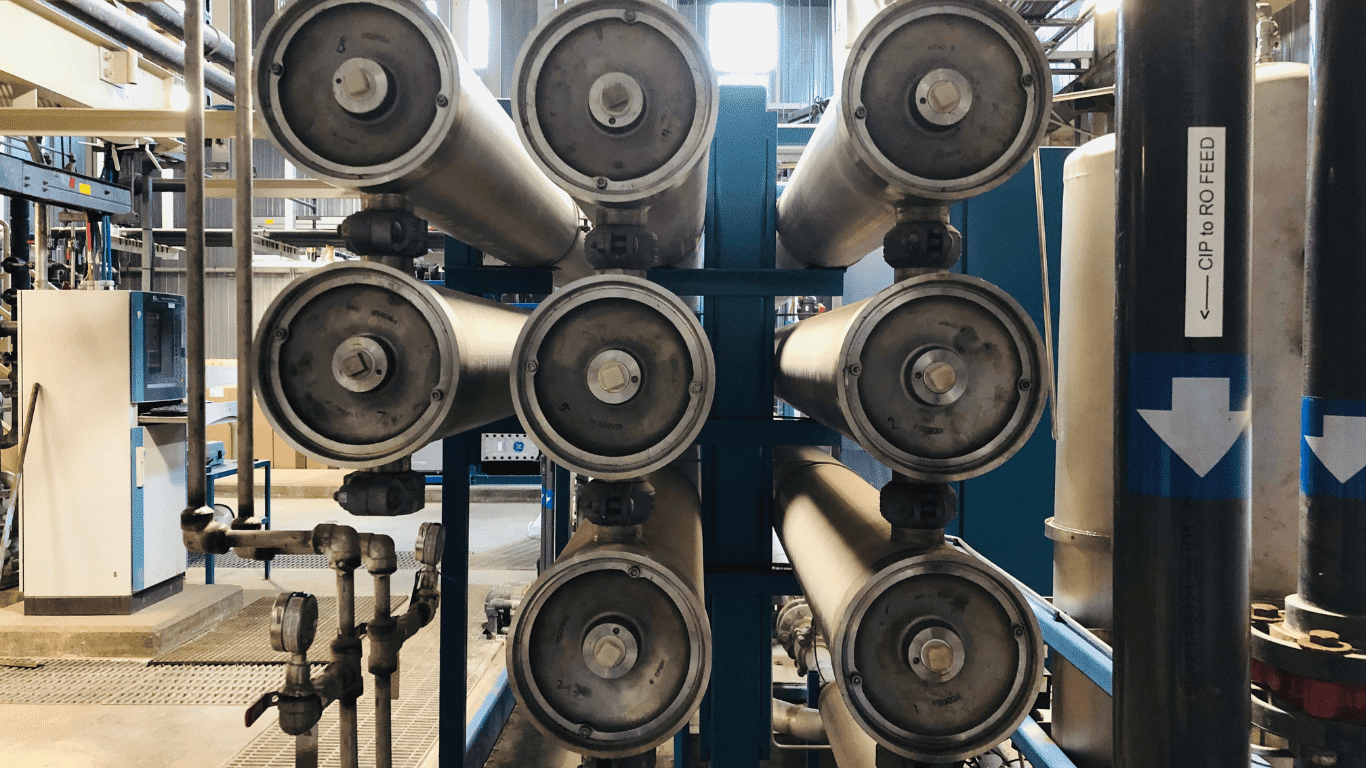
After decades of working with facilities that depend on consistent water performance, one thing has stayed true. When teams need predictable results, flexibility, and confidence in what is coming out of the tap, reverse osmosis continues to stand apart. A reverse osmosis water filtration system is not a trend or a shortcut. It is a proven foundation that many industrial and commercial operations quietly rely on every day.
What makes reverse osmosis so valuable is its ability to adapt. It works across industries, across building sizes, and across very different water sources. Whether you are dealing with variable municipal supplies or trying to stabilize process water, it offers a level of control that other water filtration systems often struggle to match.
Water quality affects more than compliance or taste. It influences equipment reliability, operating costs, and the consistency of finished products. For facilities responsible for delivering safe drinking water at scale, those details matter. Reverse osmosis gives teams a way to manage those variables instead of reacting to them.
In the sections ahead, we will walk through how reverse osmosis fits into real-world operations and what teams should think about before putting it to work.
What a Reverse Osmosis Water Filtration System Actually Does
At a practical level, a reverse osmosis water filtration system is designed to give operators control over what stays in the water and what gets removed. Instead of relying on chemical reactions or basic screens, it uses pressure and precision separation to consistently improve water quality. This approach is why reverse osmosis has become a cornerstone technology in facilities where variability in incoming water can create real operational headaches.
The process itself is straightforward once you break it down.
- Pressure drives separation. Incoming water is pressurized and directed toward a reverse osmosis membrane. This pressure is strong enough to overcome natural osmotic forces and push water molecules through the membrane surface.
- The membrane does the real work. The reverse osmosis membrane acts as a selective barrier. It allows water molecules to pass while rejecting most dissolved solids, including salts and other microscopic impurities that standard filters cannot reliably remove.
- Contaminants are concentrated and flushed away. Materials that cannot pass through the membrane are carried away in a separate stream, preventing buildup and helping maintain consistent system performance.
- Total dissolved solids are significantly reduced. Because separation happens at a molecular level, total dissolved solids drop dramatically, often by more than 95 percent when systems are properly designed and operated.
- Results stay stable even when conditions change. Reverse osmosis filtration delivers predictable output even if source water fluctuates. That consistency matters when downstream equipment or processes depend on tight water quality ranges.
Unlike simpler filtration methods, reverse osmosis does not just polish the water. It resets it. By focusing on separation rather than treatment, the system produces reliable results without constant adjustment. For industrial and commercial teams, that reliability is often the reason reverse osmosis becomes the baseline technology rather than a supplemental one.
Why Reverse Osmosis Delivers Consistent Water Quality
When operators talk about water problems, they are rarely talking about one bad day. The real challenge is inconsistency. Changes in source water show up as scaling, corrosion, taste complaints, or unexpected maintenance. Reverse osmosis addresses that issue by producing a stable output that facilities can rely on, shift after shift. By separating impurities instead of masking them, the system delivers purified water with predictable characteristics, even when incoming conditions fluctuate.
The benefits show up in practical, measurable ways.
- Water quality becomes repeatable. Reverse osmosis produces pure water by removing dissolved and suspended material at a molecular level. That consistency allows processes to be designed around the water, rather than constantly adjusting to it.
- Filtered water is safer to use across applications. Harmful contaminants such as heavy metals are rejected by the membrane, reducing the risk of long-term equipment damage and potential exposure concerns. The system also limits harmful microorganisms, which is especially important in applications tied to consumption or hygiene.
- Water tastes cleaner and more neutral. When excess dissolved material is removed, water tastes noticeably better. This matters in food service, beverage production, and anywhere users interact directly with the water.
- Downstream equipment stays protected. Stable, low-impurity water reduces scaling and fouling inside heat exchangers, boilers, and process equipment. Over time, this translates to fewer failures and more predictable maintenance schedules.
- Pure water supports operational confidence. Teams can trust that the water entering their systems meets the same standard every day, regardless of changes in the supply.
Industrial Applications Where RO Makes the Biggest Impact
In industrial settings, water is rarely just water. It is feedstock, a cleaning agent, a heat transfer medium, and sometimes a critical part of the final product. Over the years, we have seen that the facilities getting the most value from a reverse osmosis system are the ones using it to stabilize their operations, not just to meet a specification on paper.
Different industries rely on RO for different reasons, but the underlying driver is always control.
- Manufacturing and general process water. Many plants rely on municipal water or city water that fluctuates in quality. Changes in dissolved solids or chemistry can throw off production or damage equipment. RO systems create a predictable water supply, giving operators confidence that feed water conditions will not disrupt daily operations.
- Pharmaceutical and biotech facilities. These environments demand tight process control. Osmosis systems are often used as a core treatment step to produce consistent, high-purity water that supports formulation, cleaning, and validation requirements. Reliability matters here, because any deviation can shut down production.
- Food and beverage processing. Taste, safety, and equipment protection all intersect in this space. RO systems allow facilities to start with a neutral baseline, then adjust mineral content if needed. This approach protects boilers and heat exchangers while delivering consistent product quality batch after batch.
- Power generation and energy facilities. Boilers and turbines are unforgiving when it comes to water quality. A properly designed reverse osmosis system removes dissolved solids that lead to scaling and corrosion, helping extend asset life and reduce forced outages.
- Industrial reuse and recovery applications. Some facilities also use RO to treat waste water for reuse, reducing freshwater demand and easing discharge limits. When designed correctly, this can significantly lower operating costs tied to the overall water supply.
In most facilities, RO does not operate in isolation. It is commonly integrated with other treatment technologies to form a complete solution tailored to the facility. For example, many teams pair reverse osmosis with upstream and downstream membrane technologies as part of a broader treatment strategy, similar to how membrane filtration systems are applied within integrated treatment designs to support long-term performance and reliability.
Across industries, the takeaway is consistent. RO systems deliver the reliability and control operators need when processes cannot afford surprises.
Commercial Uses That Depend on Clean, Predictable Water
In commercial facilities, water quality is something people notice right away. Guests taste it, staff use it constantly, and equipment depends on it to function properly. When water is inconsistent, complaints increase and operating costs rise. This is why many commercial teams rely on reverse osmosis to deliver dependable drinking water while reducing waste, simplifying operations, and supporting sustainability goals.
The value of reverse osmosis shows up across a range of commercial environments.
- Hotels and hospitality facilities. Guests expect clean, great-tasting drinking water throughout the property. Relying on bottled water often leads to storage challenges, recurring delivery costs, and excess plastic waste. By producing water on site, facilities reduce the need for purchasing bottled water and managing water bottles, while improving consistency and guest satisfaction.
- Healthcare environments. Hospitals and clinics require reliable water for patient care, food service, and sanitation. Reverse osmosis supports these needs by delivering consistent water quality and feeding systems that dispense hot water and instant hot water for beverages, cleaning, and clinical support, without consuming valuable counter space.
- Office buildings and corporate campuses. Providing high-quality drinking water encourages healthier habits and reduces reliance on bottled water programs. Centralized filtration gives employees easy access to clean water while lowering long-term operating costs tied to delivery and disposal.
- Food service and breakroom applications. Coffee machines, tea stations, and kitchen equipment perform more reliably when supplied with consistent hot water and filtered water. Stable water quality improves performance and extends equipment life.
- Sustainability and cost control. Producing water on site reduces plastic use, transportation emissions, and ongoing supply costs, while giving teams more control over water quality across the facility.
Pre-Treatment and Multi-Stage Filtration Matter More Than You Think
One thing we consistently see in facilities is that most reverse osmosis problems begin upstream. Even the most advanced membranes will struggle or fail prematurely if feed water isn’t properly prepared. That’s why effective pre filtration and multiple stages of protection are critical for keeping RO systems running smoothly. Proper upstream treatment ensures consistent water quality, extends membrane life, and reduces unexpected downtime.
Here’s how pre-treatment and multi-stage filtration make a difference:
- Sediment filters protect the membrane. A properly sized sediment filter removes dirt, silt, and other particles before they reach the reverse osmosis membrane. This prevents fouling, maintains efficiency, and reduces the frequency of membrane replacement.
- Carbon filters remove chemical threats. A carbon filter or carbon prefilter eliminates chlorine, chloramines, and other chemicals that can degrade membrane materials. Together with sediment filtration, these steps shield the system from the harmful effects of organic material and other contaminants.
- Multiple stages tackle diverse water challenges. Many facilities incorporate several pre filters in series to handle site-specific issues such as iron, manganese, hardness, or unusual organic material. Each stage contributes to cleaner feed water, ensuring the RO membrane operates under ideal conditions.
- Performance monitoring prevents surprises. Operators often track pressure drops and inspect upstream filtration components regularly. Doing so helps identify early issues before they impact water quality or membrane performance.
- Longevity and reliability pay off. Properly maintained multi-stage filtration keeps reverse osmosis systems producing consistent, high-quality water while minimizing operating costs and unplanned downtime.
For teams looking to understand how upstream filtration affects overall system performance and the removal of heavy metals, our guide on filtration fundamentals and heavy metals control provides practical insights.
Investing in pre-treatment is a foundational step that ensures RO systems can deliver reliable, purified water over the long term.
System Design Factors Operators Should Pay Attention To
Even the most robust reverse osmosis water filtration system can underperform if key design factors aren’t carefully considered. While it’s easy to get lost in technical specifications, the elements that make the biggest difference are those that impact uptime, efficiency, and day-to-day operation.
Here are the critical factors operators should watch:
- Storage and water tanks. Proper sizing of the storage tank, water tank, or water reservoir ensures consistent availability of purified water during peak demand. Undersized tanks can cause frequent cycling, reduce system efficiency, and create pressure fluctuations.
- Feed pressure and flow. The RO membrane relies on adequate feed pressure to drive the filtration process effectively. Too low, and production slows; too high, and membranes experience unnecessary stress. Balancing pressure helps maintain steady output and extends membrane life.
- Waste ratio management. Modern RO systems can recover 75–85% of feed water, but the waste ratio is still an important factor. Efficient drain flow, often using a drain saddle, prevents backpressure and ensures consistent water quality while minimizing wasted water.
- Power consumption considerations. Energy use can vary with system design, feed water quality, and recovery targets. Understanding how design choices influence power consumption helps facilities manage operating costs and environmental impact.
- Operator interface and monitoring. Features like a digital display make it easier to track performance metrics, identify issues early, and schedule preventive maintenance. Clear, accessible controls reduce operator workload and improve response times when adjustments are needed.
- Accessibility for maintenance. Thoughtful placement of tanks, filters, and valves affects how quickly operators can perform routine cleaning, filter replacement, or membrane inspection. Easy access reduces downtime and keeps water quality consistent.
Maintenance Expectations and Long-Term Performance
Owning a reverse osmosis water filtration system is not just about installing the equipment and walking away. Long-term performance depends on routine care, preventive habits, and understanding how much maintenance the system truly requires. By setting realistic expectations, operators can protect both water quality and system longevity.
Key maintenance considerations include:
- Regular filter replacement. Replacement filters and timely filter replacement are critical for keeping the RO system functioning efficiently. Pre-filters remove sediment and chemical contaminants that would otherwise foul the RO membrane, so staying on schedule prevents performance drops and reduces the risk of premature membrane failure.
- RO membrane care. The ro membrane is the heart of the system. Depending on feed water quality and pre-treatment effectiveness, membranes generally last 2–5 years, but they require monitoring for signs of fouling, scaling, or chemical attack. Proper cleaning and periodic inspection help extend membrane life and maintain consistent RO water quality.
- Monitoring system performance. Tracking pressure differentials, flow rates, and water quality indicators allows operators to catch small issues before they escalate. Early detection of changes in performance minimizes downtime and keeps the system operating at peak efficiency.
- Preventive maintenance habits. Teams often overlook simple preventive steps, like flushing lines, inspecting seals, or checking storage tanks. These small habits can dramatically reduce emergency repairs and ensure steady output.
- Professional support when needed. Engaging expert services helps optimize schedules, troubleshoot complex issues, and ensure that the system continues delivering high-quality water. Facilities can learn more about these strategies in our Operations & Maintenance guide, which provides practical insights for keeping RO systems running reliably.
Reverse Osmosis in Broader Water and Wastewater Strategies
Reverse osmosis is often thought of as a standalone solution, but its real value shines when integrated into a larger water management strategy. By treating both incoming and outgoing streams, RO systems help facilities optimize fresh water use, reduce waste water, and protect against water contamination throughout the process.
The RO process produces high-quality water, but it also generates leftover water that contains concentrated impurities. Rather than discarding this stream, many facilities find ways to treat or repurpose it, turning a potential waste product into a resource. For example, water that would normally go to drain can be used for non-product applications, cooling, or cleaning, depending on treatment levels and regulatory requirements.
Incorporating reverse osmosis into a comprehensive strategy offers multiple benefits:
- Conservation of fresh water. By recycling water through the RO process, facilities reduce reliance on municipal supply and protect valuable freshwater resources.
- Minimized wastewater impact. Proper management of leftover water helps facilities meet discharge regulations while supporting sustainability initiatives.
- Enhanced protection against contamination. RO serves as a critical barrier for both chemicals and microorganisms, reducing the risk of contamination downstream in processes, storage, or final product use.
- Process integration opportunities. RO can work in tandem with pre-treatment systems, chemical programs, and other filtration technologies to create a fully optimized water management system.
Building the Right Reverse Osmosis Strategy for Your Facility
Creating a reliable reverse osmosis water filtration system starts with understanding your facility’s unique water needs. Not all water is created equal, and neither are filtration systems. Evaluating the quality of your feed water, anticipated flow rates, and the types of contaminants present lays the groundwork for a system that delivers consistent results over time.
Effective planning goes beyond the RO membrane itself. Water filters, pre filters, and other filters work together to protect the system, extend component life, and maintain stable water quality. In larger or multi-point applications, even whole house considerations come into play, ensuring that water reaches all points of use with the same consistency and reliability.
Operators often find the biggest gains by pairing proper system design with proactive maintenance practices. Regular monitoring, scheduled filter replacement, and attention to upstream water quality are small steps that prevent large issues down the line.
Unsure about how to balance design, pre-treatment, and maintenance for your facility’s RO system? ProChem provides guidance and expertise to help operators develop a strategy that fits their operational goals. Start by reviewing your water quality needs, mapping your system requirements, and identifying areas where pre-treatment or additional filtration will make a measurable difference. Taking these steps ensures your facility benefits from reliable, high-quality water while minimizing downtime and operational risk.
Frequently Asked Questions (FAQs)
What are the benefits of using alkaline filters with reverse osmosis systems?
Alkaline filters can be added after the RO membrane to restore essential minerals and beneficial minerals that may be removed during filtration. This improves the taste of RO water and can contribute to healthier mineral content in drinking water, helping facilities provide a more balanced and enjoyable water experience.
Can a reverse osmosis system remove harmful bacteria from drinking water?
Yes, the RO process is highly effective at reducing microorganisms. While membranes remove the vast majority of bacteria, pairing the system with proper pre-treatment and routine maintenance ensures consistent performance and minimizes risks, helping facilities kill bacteria before water reaches users.
Are there point-of-use options like pitcher filters or glass pitchers?
For smaller or individual needs, pitcher filters and glass pitchers equipped with RO or carbon filtration provide convenient, high-quality drinking water. These options are ideal for breakrooms, offices, or situations where installing a full system isn’t practical, while still offering improvements in taste and purity.
How can RO systems help facilities save money?
By reducing or eliminating the need for bottled water deliveries, facilities can significantly save money over time. Centralized RO systems, combined with well-maintained water filters, provide consistent, purified water on demand, lowering operational costs and reducing reliance on single-use plastics.
Does RO water remove healthy minerals, and should that be a concern?
Reverse osmosis removes many dissolved solids, including healthy minerals naturally present in water. While this can slightly reduce certain nutrients, many systems include remineralization options to reintroduce beneficial minerals and improve taste. Facilities can balance purification with mineral content to meet both quality and health objectives.
