
Water has a way of being taken for granted, until quality becomes an issue. We have seen operations run smoothly for years, then struggle once water quality shifts due to changes in source water, regulations, or production demands. Whether you are supporting manufacturing processes or supplying consistent drinking water across a facility, the reliability of your water matters more than most teams realize.
This is where a reverse osmosis water filter often enters the conversation. It is not just about cleaner water, it is about control. When operators understand what is in their water and how it behaves, they can protect equipment, stabilize processes, and make better long-term decisions. From municipal sources to on-site treatment, water quality influences everything downstream, including compliance, efficiency, and cost.
In the sections that follow, we will walk you through how reverse osmosis fits into modern water treatment, what it solves, and how teams use it to gain consistency and confidence in their water systems.
Why Reverse Osmosis Matters in Modern Water Treatment
Over the years, we have watched water treatment shift from basic filtration toward more precise and reliable solutions. That shift did not happen by accident. Reverse osmosis became central to modern water treatment because it solves a problem many traditional methods cannot. It gives operators consistent control over what stays in the water and what does not.
At its core, reverse osmosis is about removing what causes trouble downstream. Dissolved solids, salts, and other harmful contaminants are often invisible, yet they quietly drive scaling, corrosion, and inconsistent performance. A well-designed reverse osmosis system addresses these issues at the source, producing stable water quality that operators can count on day after day.
For industrial and commercial facilities, that consistency matters. Fluctuations in a water supply can disrupt production, affect product quality, or shorten equipment life. Reverse osmosis brings predictability to water filtration systems by reducing variability and allowing treatment strategies to be built around known conditions rather than constant surprises.
Another reason reverse osmosis has become a backbone technology is its adaptability. It works with a wide range of incoming water sources, from municipal feeds to challenging process streams. As regulations tighten and water reuse becomes more common, teams need treatment solutions that can keep up. Reverse osmosis continues to meet that need, not because it is new, but because it remains one of the most dependable ways to protect processes, equipment, and long-term water strategy.
How a Reverse Osmmosis Water Filter Works
When operators ask how reverse osmosis filtration actually works, we usually start by keeping it simple. The goal is not to memorize components, but to understand what the system is doing to your water and why that matters to daily operations.
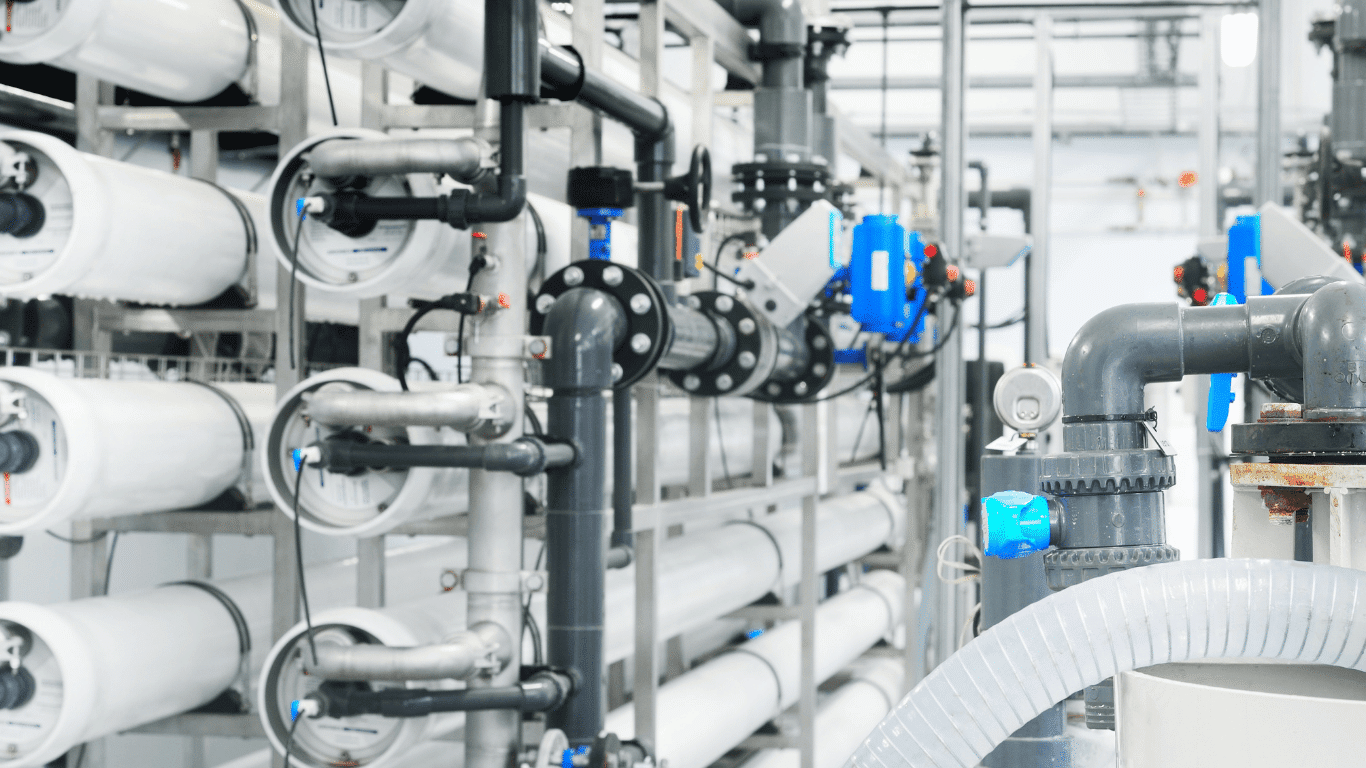
At the center of the filtration process is a semipermeable membrane. This reverse osmosis membrane allows water molecules to pass through while rejecting most dissolved solids and impurities. Pressure is applied to push the water across the surface of the RO membrane, separating clean permeate from the concentrated stream that carries unwanted material away. The result is water with significantly lower total dissolved solids and far more predictable quality.
What we want teams to focus on is control. Reverse osmosis does not guess, it separates based on size and charge. That makes it especially effective for removing salts, minerals, and other contaminants that traditional filtration methods struggle with. It also means performance depends heavily on operating conditions. Feed pressure, flow rate, and pretreatment all influence how well the membrane performs over time.
From an operator’s perspective, this is why system design matters as much as the equipment itself. Proper pretreatment protects the membrane, stabilizes performance, and extends service life. If you want a closer look at how membranes are applied within larger treatment designs, our overview of membrane filtration systems shows how these technologies fit into complete industrial water treatment solutions.
Understanding how reverse osmosis works helps teams catch issues early and operate systems with confidence rather than reacting after water quality problems appear.
Key Components Inside an RO System
When I walk teams through an RO system, we like to start with a simple idea. A reverse osmosis filter performs best when every component upstream and downstream is doing its job. This is not about memorizing part numbers. It is about understanding how each piece supports stable operation, protects the membrane, and keeps water quality consistent day after day.
Most systems follow a logical flow that operators should be familiar with:
- Pre filtration and pre filters form the first line of defense. A properly sized sediment filter removes dirt, rust, and suspended particles before they ever reach the membrane surface. When pre filtration is overlooked or rushed, membranes foul faster and performance drops long before expected.
- The membrane stages are where separation happens. By using multiple stages instead of a single pass, the system gradually reduces contaminants while improving recovery and stability. This staged approach gives operators flexibility when feed water conditions change.
- The storage tank or water reservoir acts as a buffer between treatment and demand. This stored volume ensures treated water is available during peak usage without forcing the system to cycle excessively, which can shorten equipment life.
Together, these components determine how reliable the reverse osmosis filter will be in real-world operation. When pretreatment protects the membranes, staging is designed with intent, and storage matches demand, the system runs smoothly. When one piece is ignored, operators usually feel it quickly in the form of alarms, declining performance, or unplanned maintenance.
Industrial and Commercial Applications of Reverse Osmosis Water
When we talk with operators across different industries, one theme comes up again and again. Reverse osmosis water becomes valuable once it removes uncertainty from daily operations. Whether the source is municipal water or city water with seasonal swings, consistent treatment allows teams to focus on production instead of constantly reacting to water issues.
Across industrial and commercial settings, reverse osmosis water is applied in practical, results-driven ways:
- Manufacturing operations use reverse osmosis water for rinsing, surface preparation, and process makeup where mineral content affects quality or equipment life. By controlling incoming fresh water characteristics, facilities stabilize water usage, reduce scale formation, and limit downstream maintenance tied to inconsistent supply conditions.
- Food and beverage facilities rely on reverse osmosis drinking water for ingredient blending, sanitation systems, and final product consistency. When municipal water quality shifts, RO provides a steady source of purified water that helps protect flavor profiles, cleaning effectiveness, and customer expectations across locations.
- Pharmaceutical and life sciences environments use RO-treated water for cleaning, formulation support, and controlled processes that demand repeatability. Here, consistency matters as much as purity. Operators benefit from having water that behaves the same way every shift, which simplifies validation and documentation.
- Utilities and power-related facilities apply reverse osmosis water to reduce scaling and corrosion in boilers and cooling systems. Lower dissolved solids translate into more efficient heat transfer, longer equipment life, and fewer unplanned outages tied to water-related stress.
For teams evaluating where filtration fits into broader operations, our Filtration & Water Quality resources break down how treatment choices directly affect performance, compliance, and long-term reliability.
Water Reuse, Waste Reduction, and Sustainability
One of the most powerful benefits we’ve seen from reverse osmosis systems is their role in promoting sustainability. Beyond producing high-quality water, these systems help teams reduce waste water, lower waste ratios, and even cut reliance on single-use plastic bottles.
Many industrial and commercial operations generate leftover water during production or cleaning cycles. With properly designed RO systems, that leftover water can often be recovered and reused, reducing overall waste water discharge and improving operational efficiency. Facilities that track waste ratios over time frequently see significant reductions, which also helps with regulatory compliance and cost management.
On the consumer-facing side, reverse osmosis drinking water supports environmental goals by minimizing the need for purchasing bottled water. For businesses, this translates into fewer plastic bottles in storage, fewer disposal challenges, and a smaller carbon footprint. Even small reductions in bottled water usage scale quickly across large operations, contributing to measurable plastic waste reduction.
Food, beverage, and hospitality teams often notice immediate improvements when integrating RO-treated water into daily operations. Not only does it supply consistent purified water, it also aligns with corporate sustainability initiatives by reducing reliance on purchased bottled water, minimizing leftover water waste, and lowering the environmental impact of plastic consumption. In short, reverse osmosis systems turn water management into both an operational and environmental advantage.
System Performance, Maintenance, and What Operators Watch For
From our years working with teams, we can tell you the difference between a smooth-running RO system and one that constantly causes headaches often comes down to routine maintenance. It is not glamorous work, but consistent attention pays off. Operators who understand what to watch for can prevent small issues from becoming costly downtime.
A few key habits make a world of difference:
- Filter replacement and replacement filters: Keeping up with filter change schedules is critical. Sediment and pre filters protect membranes from fouling, so ignoring them shortens membrane life and affects water quality. Systems with automated filter change alerts make it easier to stay on top of this.
- Monitoring filter change indicators: Many RO units include visual or digital signals that tell you when a filter has reached its limit. Operators often catch early issues by responding promptly to these alerts rather than waiting for water quality to degrade.
- Routine maintenance checks: Beyond filters, daily and weekly inspections of pumps, pressure gauges, and connections help identify leaks, unusual pressure drops, or irregular flow patterns before they escalate. Even simple observations, listening for unusual sounds, checking water color, or confirming consistent flow, can prevent bigger problems.
Understanding how much maintenance a system truly needs helps teams plan resources effectively. With a proactive approach, operators not only protect the RO membranes and equipment but also maintain reliable, high-quality output. For a deeper dive into practical strategies and monitoring tips, see our System Performance & Maintenance guide, which walks through actionable steps for keeping industrial RO systems running efficiently.
Choosing the Right Reverse Osmosis System
Choosing the right reverse osmosis system can feel overwhelming, but it becomes much clearer when you focus on how the system will actually be used in daily operations. The best reverse osmosis system is not always the most complex or expensive. It’s the one that meets your facility’s needs while keeping maintenance and reliability manageable. Asking the right questions upfront makes decision-making far easier.
Here are the key considerations we encourage teams to focus on:
- Water source and contamination: Understanding whether your feed comes from city water, municipal water, or a process stream with higher contamination helps determine the level of pretreatment and the type of filtration system required. This ensures the RO system can consistently deliver the purified water you need.
- Capacity and recovery needs: How much water will the RO system require daily, and how much purified water should be available on demand? Considering both peak and average water usage prevents undersized systems from struggling or oversized systems from wasting energy.
- Maintenance and replacement filters: A system is only as good as the team maintaining it. Thinking through routine filter replacement, ease of access, and available replacement filters keeps the system running reliably and avoids downtime.
- Integration with existing operations: The RO system should fit seamlessly with storage, chemical dosing, and process automation. When integration is planned from the start, teams can operate confidently without unexpected water quality or operational issues.
Supporting Long-Term Water Quality Goals
Maintaining consistent water quality is about building a strategy that keeps water filtration systems performing at their best over the long term. Operators who take a proactive approach often see fewer surprises, longer equipment life, and more predictable outcomes in both process and drinking water applications.
Start by thinking about your water filter strategy as a whole. Regular monitoring, timely filter change, and understanding how each component affects overall system performance ensures you consistently produce pure water. Small steps, like tracking flow rates or observing taste changes, can reveal early signs of issues before they impact operations.
Better tasting water and great tasting water reflect that your water filtration system is effectively removing contaminants while preserving beneficial minerals. Teams that focus on these quality indicators often catch deviations early, ensuring both operational efficiency and customer satisfaction.
Even the best reverse osmosis system can fall short without the right guidance. Choosing a knowledgeable partner ensures your water treatment strategy aligns with operational goals, system capabilities, and long-term water quality targets. In my experience, the most effective collaborations start with conversations that clarify priorities and identify potential challenges before they become issues.
A good partner helps teams evaluate system options, troubleshoot performance, and plan for routine maintenance. They can walk you through system solutions and features, recommend service programs, and provide hands-on support for daily operations. From selecting the right equipment to optimizing water flows, their expertise turns complex decisions into actionable plans.
Ready to take a thoughtful, practical approach to your water management? Talk with our experts. We’ll review your current setup, explore ways to improve efficiency, and help you build a plan that ensures consistent pure water now and in the future.
Frequently Asked Questions (FAQs)
What are the benefits of using a reverse osmosis system with alkaline filters?
Alkaline filters can be added to reverse osmosis systems to restore beneficial minerals, such as calcium and magnesium, that may be removed during filtration. This not only supports healthy minerals in drinking water but also improves taste, giving you water that is both pure and balanced for daily consumption.
Can a reverse osmosis filter remove forever chemicals and volatile organic compounds?
Yes, properly maintained RO systems are effective at reducing many harmful contaminants, including certain forever chemicals and volatile organic compounds. While no system removes 100% of every chemical, combining RO filtration with activated carbon or post-treatment stages significantly improves water safety.
Are countertop options like pitcher filters or glass pitchers effective for home use?
Pitcher filters and glass pitchers are convenient for small-scale water filtration and can help reduce common contaminants, including heavy metals. They are easy to use and fit into limited counter space, making them a practical option for households, but they do not offer the same purification level as a full reverse osmosis system.
Is it safe to get instant hot water or hot water from an RO system?
Many home RO systems can integrate with instant hot water units or hot water dispensers. Operators should ensure that the system design supports temperature requirements without compromising membrane life or water quality. Proper installation and maintenance are key to safety and performance.
Can a whole house RO system retain beneficial minerals?
Whole house reverse osmosis systems can be configured with remineralization stages to preserve beneficial minerals. This approach ensures that purified water is not only safe and contaminant-free but also retains the healthy minerals that contribute to taste and overall wellness throughout the home.
