
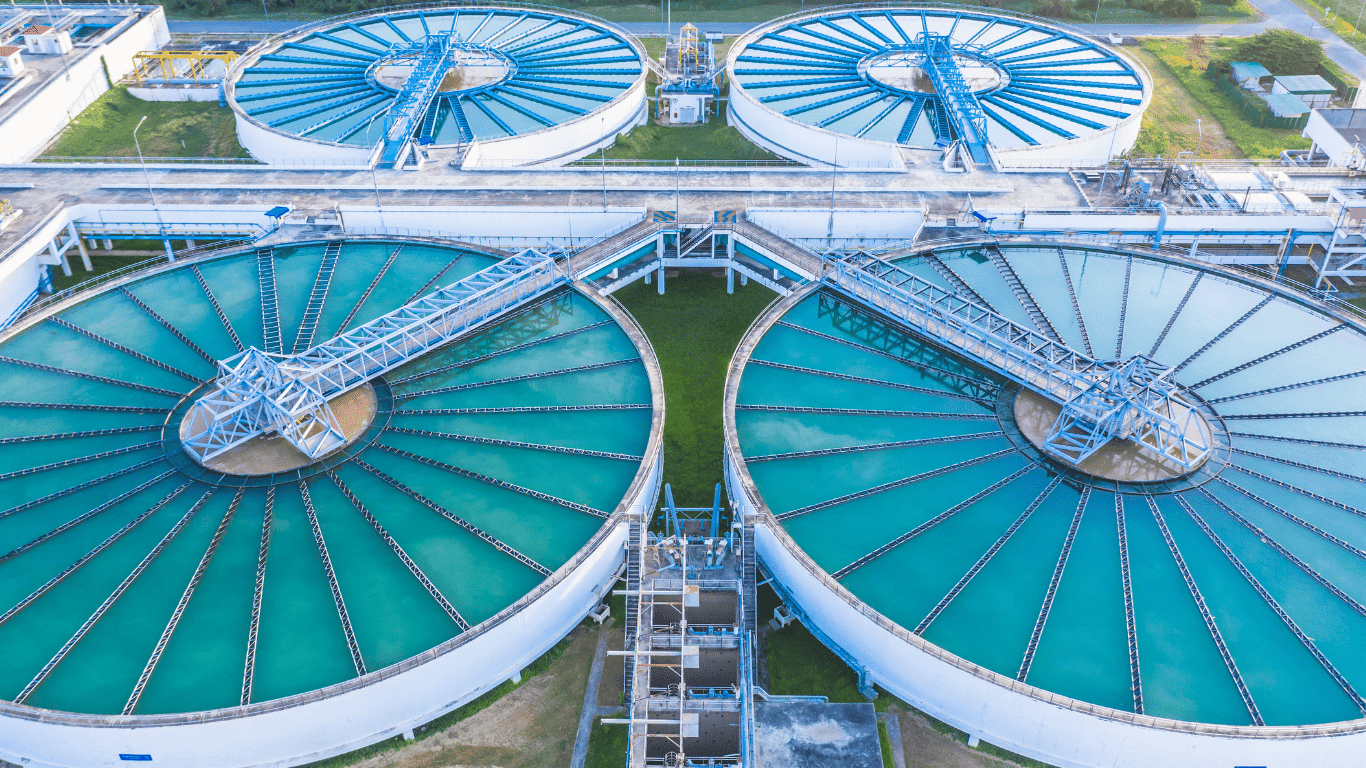
After years of working alongside operators and plant teams, one thing becomes clear quickly. The water treatment process is not just a checklist of steps, it is a system that protects people, equipment, and public trust. Every decision made along the way affects the quality of drinking water that ultimately reaches homes, businesses, and critical facilities.
Effective water treatment balances chemistry, mechanical systems, and daily operations, all while responding to changing source conditions and regulatory expectations. When the process is understood and managed intentionally, it becomes easier to spot issues early, maintain consistency, and deliver reliable results.
This guide walks through the process as it works in practice, focusing on what matters most in real-world operation.
Where It All Starts, Raw Water and Source Control
Every water treatment process begins long before chemicals are added or filters come online. It starts at the source. Raw water is drawn from rivers, lakes, reservoirs, or groundwater, and the quality of that source sets the tone for everything that follows. When water enters the intake structure, this first step is about understanding what you are working with, not just today, but season to season.
Surface water typically carries higher levels of sediment, organic matter, and debris, especially after storms or snowmelt. That variability is why intake design and source monitoring matter so much. Pumps move the water supply from the source into the treatment plant, but they also move whatever the source delivers. Changes in color, turbidity, or odor often show up here first.
Operators who spend time observing intake conditions tend to catch problems early. When source quality shifts, downstream treatment has to work harder. Strong source control makes the rest of the process more stable, predictable, and easier to manage.
The Coagulation and Flocculation Process Explained
Once source water reaches the plant, the coagulation process becomes the first major chemical step. Most tiny particles suspended in water carry the same charge, usually negative, which keeps them from sticking together. By adding a primary coagulant such as ferric sulfate or aluminum sulfate, operators introduce positive charges that neutralize those negatively charged particles. When the charge is balanced, those small particles can finally come together.
This is where coagulation flocculation works as a paired system. Coagulation destabilizes the particles, and the flocculation process gently mixes the water so those destabilized particles collide and grow. Over time, tiny particles become visible floc particles that are heavy enough to settle.
When chemistry is slightly off, operators often see it right away. Floc may look weak, slow to form, or break apart too easily. That usually signals dosing issues, pH drift, or rapid changes in source water quality. Watching floc formation in real time tells you more than any lab number. Strong, well-formed floc sets up everything downstream for success.
Sedimentation and Settling in the Sedimentation Basin
After coagulation and flocculation, the water slows down and gives gravity time to do its job. During sedimentation, water flows into a sedimentation basin designed to reduce velocity so particles can settle naturally. As the sedimentation process continues, larger particles formed during flocculation sink to the bottom, carrying suspended solids with them.
This step is critical because it does the heavy lifting. When sedimentation performs well, it can remove a large portion of the solids load before filtration ever begins. Operators should watch how quickly floc settles and how much material accumulates in the basin. Poor settling often points back to upstream chemistry or short-circuiting inside the basin.
Trapped particles collect as sludge and are removed on a regular schedule to maintain performance. When sedimentation is dialed in, it significantly reduces the burden on filters downstream. For a deeper look at how solids removal impacts overall water clarity and performance, our Filtration & Water Quality resource breaks down what happens next and why it matters.
Filtration Process and Filter Media Performance
Once sedimentation is complete, the filtration process becomes the final physical barrier between remaining particles and the finished water. This stage is where filtration performance really proves itself. Water passes through filters built in layers, typically starting with sand and supported by gravel. Together, these materials form the filter beds that capture fine particles and microscopic particles that escaped earlier steps.
Rapid gravity filters are common in many treatment plants because they handle high flow rates while maintaining consistent removal efficiency. As water moves through the filter media, particles are strained out, intercepted, or adsorbed onto the media surface. Over time, those trapped solids build up, which is why monitoring headloss and flow is just as important as lab results.
Filtration problems usually show up before the data does. Operators often notice rising differential pressure, uneven flow, or changes in filtered water clarity well before samples fail. Regular backwashing clears accumulated solids and restores performance, but excessive backwash water use can signal upstream issues. When filters are stable and predictable, downstream disinfection becomes far more reliable.
Disinfection Strategies That Protect the Distribution System
Disinfection is where water treatment shifts from clarification to protection. Even after filtration, water can still contain microorganisms capable of causing illness. Effective disinfection targets pathogenic bacteria, harmful bacteria, viruses, and other microorganisms before water ever leaves the plant. Just as important, it maintains a disinfectant residual that protects water as it moves through the distribution system.
Chlorine disinfection remains the most widely used approach because it is reliable and easy to control. Chlorine or sodium hypochlorite is commonly applied to inactivate pathogens and establish a residual that continues working in storage tanks and piping. Secondary disinfection builds on this protection, ensuring water stays safe well beyond the treatment plant.
Ozone disinfection is another powerful option, particularly for challenging source water. Ozone acts quickly and is highly effective, though it requires careful control and does not provide a lasting residual. Many systems use ozone for primary treatment and chlorine downstream for residual control.
Choosing the right disinfection strategy depends on system design and water quality goals. Well-managed programs, supported by proven chemical solutions, play a major role in delivering safe drinking water. For insight into how tailored disinfection programs are developed and managed, explore our Chemical Programs approach.
Treated Water Storage and Distribution System Realities
Even after water has been treated and disinfected, maintaining quality through storage and distribution is just as important as the treatment process itself. Treated water is stored in covered tanks or clear wells before entering the distribution system. From there, it travels through pipes, pumping stations, and valves before reaching the tap.
Along the way, water passes through conditions that can compromise clarity and safety if not monitored. Stagnant sections, biofilm buildup, or sudden changes in flow can create opportunities for microorganisms to grow or residual disinfectant to dissipate. Operators who routinely inspect storage tanks, monitor flows, and maintain proper turnover rates can prevent these issues before they affect consumers.
Clear water at the tap reflects careful management throughout the system. Neglecting post-treatment storage and distribution risks undoing all the effort invested in earlier processes, emphasizing the need for vigilance at every stage.
Advanced Treatment Options for Challenging Water Conditions
Some water sources present unique challenges that go beyond conventional treatment. When standard sedimentation, filtration, and disinfection aren’t enough, advanced treatment options come into play. Activated carbon, including granular activated carbon, is widely used to remove taste, odor, and chemical contaminants that conventional filtration may miss. This step also helps capture fine particles that could carry microorganisms or affect water aesthetics.
Other chemical treatments are tailored to specific water chemistry, addressing issues such as low dissolved oxygen or problematic ions. These interventions allow operators to maintain stable water quality even when source conditions fluctuate or when industrial and municipal requirements are particularly strict.
Modern water treatment plants often incorporate membrane technologies, such as reverse osmosis or ion exchange, to selectively remove contaminants with precision. Integrating these technologies alongside conventional processes ensures the water leaving the plant meets the highest safety and quality standards.
For a closer look at the systems and solutions that make these advanced treatments possible, see ProChem Water Treatment Systems.
Operating a Reliable Water Treatment Process Day to Day
Running a water treatment process is about understanding how each step affects the next. From our experience overseeing multiple plants, operators who know their treatment process inside and out can anticipate issues before they escalate. Small deviations in coagulation, filtration, or disinfection can have ripple effects downstream, so daily observation is key.
Routine checks of equipment, flow rates, and chemical dosing help ensure water remains treated consistently and meets potable water standards. Tracking trends in settled water, filtered water, and disinfectant residuals allows teams to adjust the process proactively rather than reactively.
Operators should also focus on documentation and communication. Sharing observations about changes in raw water quality, unusual sediment patterns, or minor filter anomalies helps the entire team maintain control over the process. A well-run water treatment process is predictable, safe, and resilient, giving confidence that the water leaving the plant is not only treated but truly ready for distribution.
Supporting Stronger Water Treatment Programs Over Time
Maintaining a reliable water treatment program is about building systems that adapt, improve, and respond to changing conditions. Treatment plants function best when operators regularly review processes, optimize chemical use, and track performance metrics over time. Consistent attention to how water moves through each stage, from coagulation to filtration and disinfection, allows teams to identify inefficiencies or emerging issues early.
Periodic audits of chemical dosing, filter performance, and disinfection strategies help reduce risks, minimize waste, and ensure compliance with regulatory standards. Operators who approach these reviews with curiosity and careful observation often uncover small adjustments that yield significant improvements in treated water quality.
Build confidence in your water treatment process. ProChem provides practical insights and tailored strategies that help operators prevent issues, improve efficiency, and maintain reliable, high-quality potable water. Contact us to learn how we can help your team.
Frequently Asked Questions (FAQs)
What are the main steps in the water treatment process?
The water treatment process generally includes coagulation and flocculation, sedimentation, filtration, and disinfection. Each step is designed to remove particles, bacteria, and other contaminants to ensure safe, potable water for consumption.
What is pre chlorination and why is it used?
Pre chlorination involves adding chlorine early in the treatment process, typically before sedimentation. This helps control bacteria and algae growth in the water, reduces odor, and can improve the efficiency of downstream treatment steps.
How does the Safe Drinking Water Act affect treatment plants?
The Safe Drinking Water Act sets standards for water quality in the United States. Treatment plants must comply with these regulations, regularly testing water and reporting results. Detailed information is available on official government websites for reference.
Can treated water still contribute to tooth decay?
Fluoride is often added during water treatment to help prevent tooth decay. While properly treated water generally supports dental health, untreated or improperly treated water can allow bacteria and particles that contribute to decay to remain.
Why is monitoring water flows and particles important?
Water flows and particle concentrations provide key indicators of treatment efficiency. Changes in flow patterns or particle levels can signal issues in filtration, sedimentation, or disinfection, allowing operators to take corrective actions before problems affect water quality.
