
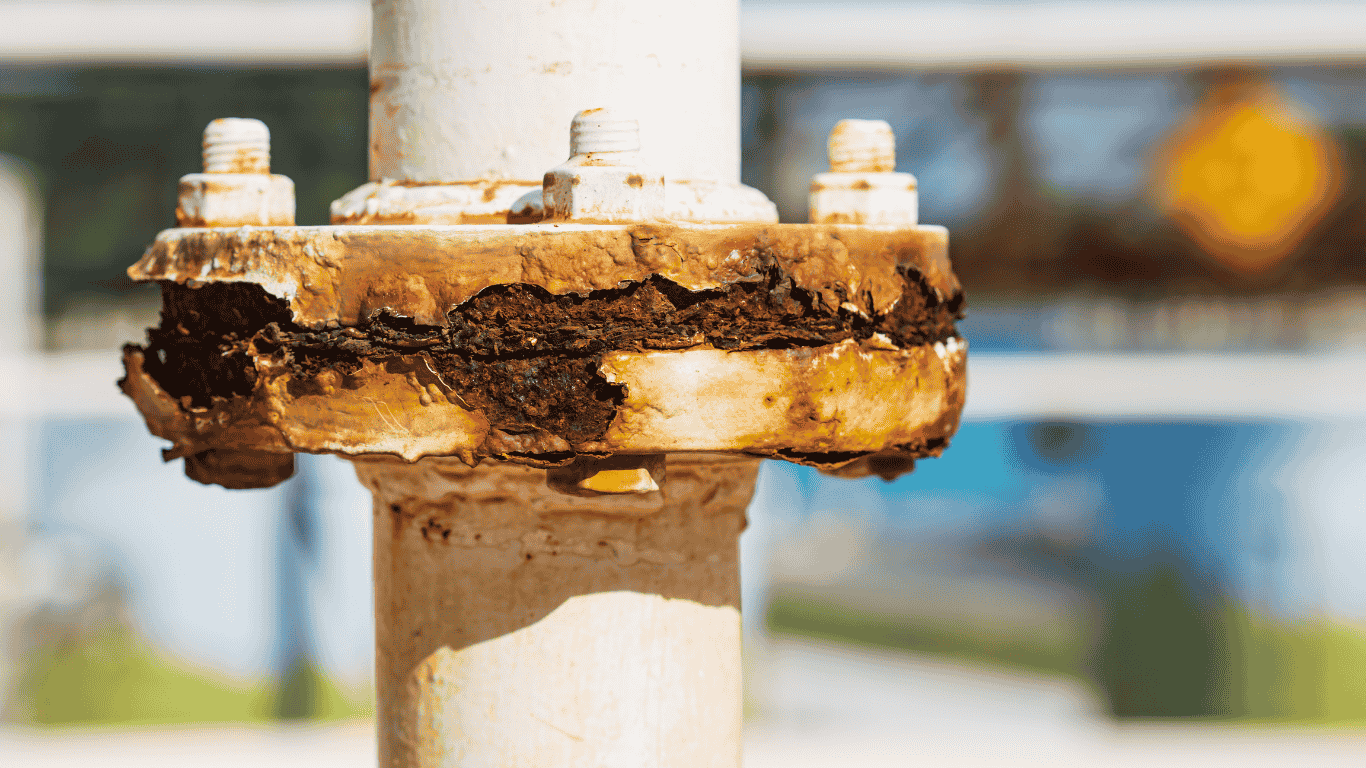
Corrosion is something every facility operator eventually encounters, and understanding the types of corrosion is the first step in keeping your equipment in top shape. At its core, corrosion is the gradual deterioration of a metal surface caused by exposure to a corrosive environment, whether that’s water, chemicals, or even high humidity. While it can seem invisible at first, corrosion quietly reduces strength, efficiency, and safety. Knowing how and where it occurs helps teams catch early warning signs and apply the right protection strategies before problems escalate.
General and Uniform Corrosion
The most common form of metal degradation is general corrosion, sometimes called uniform corrosion, where the metal corrosion occurs evenly across the surface corrosion. This type often shows up on carbon steel pipes, tanks, and other equipment exposed to water or chemicals over time. While it may seem less threatening than localized attacks, it slowly reduces metal thickness, which can compromise structural integrity if left unchecked.
Even stainless steels, known for their durability, can experience uniform corrosion under certain conditions, especially when protective films are damaged or water chemistry is unbalanced. Teams often catch early signs by inspecting exposed surfaces for rust or discoloration. Consistent monitoring and proper water treatment can significantly slow down corrosion. For more on how water systems protect equipment, see our guide on Industrial Reverse Osmosis Systems.
Pitting and Crevice Corrosion
Not all corrosion is uniform. Pitting corrosion and crevice corrosion are forms of localized corrosion that target specific spots on a metal exposed to a harsh environment. Pitting corrosion creates small, deep corrosion pits that can weaken a component without obvious surface damage, while crevice corrosion often forms in tight spaces like welds, gaskets, or under stainless steel screws.
These types are particularly dangerous because they can progress unnoticed, leading to sudden equipment failures. Teams should regularly inspect hidden or hard-to-reach areas, checking for early signs like discoloration, surface roughness, or small rust spots. Addressing these issues early, along with proper water treatment and maintenance, helps prevent severe damage and prolongs the life of your systems.
Galvanic and Dissimilar Metal Corrosion
When dissimilar metals come into contact in the presence of a conductive fluid, galvanic corrosion can occur. In this process, the active metal corrodes faster while the more noble metal remains largely unaffected. This often happens in piping systems, valves, and fittings where copper, stainless steel, and carbon steel are used together.
Preventing this type of corrosion starts with good design. Teams can separate metals with insulating materials, apply protective coatings, or ensure proper corrosion protection through monitoring and maintenance. Regular inspections can catch early signs of galvanic attack, such as localized rust or metal deposits. Understanding where different metals interact helps facilities avoid costly equipment damage and maintain safe operation.
For solutions that help protect your system components, see our Treatment Systems guide.
Stress Corrosion and Cracking
Some metals face a hidden threat when mechanical stress meets a corrosive environment. Stress corrosion occurs when a material is exposed to a combination of tensile stress and chemicals, sometimes leading to stress corrosion cracking (SCC). These fine cracks often start internally or along welds, making them hard to detect until serious damage appears.
High-stress components like heat exchangers and high-pressure piping are particularly vulnerable. If left unchecked, stress corrosion can lead to sudden structural failure, posing safety risks and costly downtime. Operators often catch early issues by monitoring equipment under load or heat, inspecting critical points, and maintaining water chemistry. Regular maintenance, proper material selection, and preventive measures significantly reduce the risk of SCC in industrial systems.
Corrosion Fatigue and Erosion Corrosion
When metals are under repeated stress or exposed to high-velocity fluids, corrosion fatigue and erosion corrosion become serious concerns. Corrosion fatigue occurs when cyclic loading combines with a corrosive environment, gradually weakening the metal structure and causing cracks. Meanwhile, erosion corrosion happens when flowing water or chemicals wear away protective layers, especially on highly loaded metal surfaces like pump impellers, turbine blades, and valve interiors.
Operators often notice early signs through unusual vibrations, noise, or surface roughness. Addressing these issues involves selecting corrosion-resistant materials, monitoring flow rates, and performing routine inspections. With proper maintenance and water treatment, the rate of corrosion fatigue and erosion corrosion can be reduced, helping facilities avoid unexpected downtime and prolonging equipment life.
Intergranular, Filiform, and Microbiologically Influenced Corrosion
Some corrosion types are subtle but can quietly compromise a metal structure over time. Intergranular corrosion attacks grain boundaries, often forming along welds or heat-affected zones in stainless steels, weakening the metal internally before visible signs appear. Filiform corrosion typically develops under painted or plated surfaces, creating thread-like paths that lift coatings and expose the metal underneath. Another hidden threat is microbiologically influenced corrosion (MIC), where bacteria or other microorganisms accelerate deterioration in water systems or humid environments.
Operators and maintenance teams should regularly inspect coatings, welds, and monitor water chemistry to catch early signs. Even small, localized attacks can lead to major problems if ignored. Understanding these forms helps teams implement preventative measures, select appropriate materials, and maintain protective treatments, keeping equipment safe and reliable over the long term.
Prevention and Control Measures
Protecting your equipment from types of corrosion starts with proactive strategies. Applying a protective coating or coating carbon steel can shield metal surfaces from harsh chemicals and water, while maintaining the coating ensures long-term effectiveness. Cathodic protection is another powerful tool, reducing the electrochemical reactions that drive corrosion, especially in buried or submerged systems.
Material selection also plays a key role; choosing metals with a higher corrosion resistance for the specific environment helps prevent early failures. Teams should regularly inspect coatings, maintain cathodic protection systems, and monitor water chemistry to catch early warning signs. Small, consistent steps go a long way in minimizing damage and extending equipment life. For tailored solutions, explore our Custom Chemical Programs to protect your systems effectively.
Implementing a Corrosion Management Plan
Effective corrosion control begins with a clear, systematic approach. Start by inspecting all metal exposed to water or chemicals, noting areas where corrosion damage may already be occurring. Monitoring water chemistry and flow conditions helps identify the root causes of the corrosion process before it accelerates. Regular cleaning and maintenance remove deposits, scale, or biofilms that can worsen corrosion, while targeted water treatment reduces chemical aggressiveness and protects vulnerable surfaces.
Teams should combine these steps into a routine schedule, documenting inspections, treatments, and any repairs. Proactive management not only extends equipment life but also prevents costly downtime and safety risks. Need guidance on protecting your systems? Contact our experts to create a corrosion management plan tailored to your facility.
