
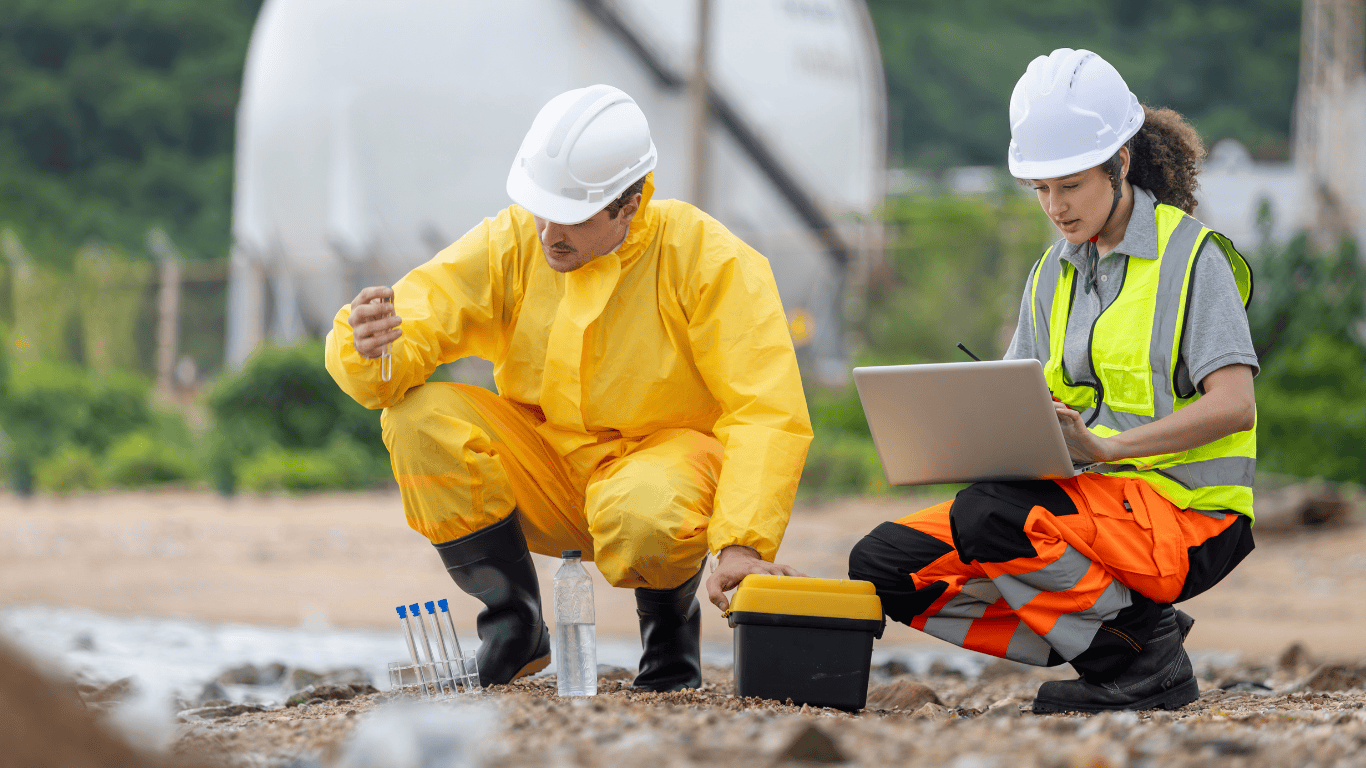
Water treatment for environmental remediation plays a critical role in restoring contaminated water and groundwater to safe, usable conditions. Operators often encounter sites with complex mixtures of organic compounds, heavy metals, and other hazardous contaminants, making treatment both challenging and essential. Effective water remediation not only protects human health and the environment but also ensures compliance with regulatory requirements. Understanding the right combination of treatment strategies is key to achieving consistent results while managing cost, efficiency, and long-term site sustainability.
Understanding Environmental Remediation Challenges
Environmental remediation projects often face complex contamination issues that demand careful attention. Contaminated groundwater can carry a mix of hazardous contaminants, including organic compounds, heavy metals, emulsified oil, volatile organic compounds (VOCs), and perfluorinated compounds (PFAS). Each contaminant type poses unique challenges for treatment efficiency, and operators must manage water quality parameters to meet regulatory requirements and control effluent concentration.
Beyond technical hurdles, facilities must also navigate compliance standards while minimizing environmental impact. Understanding the target contaminants and their interactions in the water system is critical for designing effective remediation strategies. ProChem’s treatment systems provide customizable solutions to address these challenges and optimize water remediation outcomes.
Proven Water Treatment Approaches
Successful water treatment for environmental remediation relies on a combination of proven strategies tailored to site-specific conditions. Chemical oxidation and advanced oxidation processes break down organic matter and hazardous contaminants, while biological treatment systems support natural degradation of organic compounds. Membrane filtration and reverse osmosis physically remove dissolved metals and suspended solids, providing treated water that meets stringent quality standards. Activated carbon, including granular activated carbon, adsorbs residual organic matter and emerging contaminants, enhancing overall treatment efficiency. Ion exchange selectively removes metal ions and other target contaminants, complementing chemical and physical methods.
Teams often catch early issues by monitoring influent water quality and adjusting chemical dosing or system parameters. Integrating multiple treatment processes commonly produces more consistent results and improves long-term water remediation performance. For detailed system options, see ProChem’s membrane filtration systems.
Specialized Solutions for Contaminated Sites
ProChem designs water treatment for environmental remediation with site-specific conditions in mind, ensuring each solution addresses unique contamination challenges. For areas with contaminated groundwater or complex hazardous materials, our systems integrate soil stabilization techniques, groundwater treatment, and effluent management strategies to restore water quality safely and efficiently. Operators should monitor total dissolved solids and suspended solids to maintain treatment efficiency and prevent secondary contamination.
Customized treatment trains combine chemical, physical, and biological approaches, tailored to the target contaminants and process performance requirements. Ion exchange, chemical dosing, and membrane technologies can be blended to optimize removal of metals, organic matter, and hazardous contaminants. Facilities benefit from solutions that protect surface water, maintain regulatory compliance, and support long-term water remediation goals. Learn more about our ion exchange systems.
Ensuring Performance & Compliance
Consistent water remediation requires careful monitoring, testing, and management of treatment systems. Teams often prevent secondary contamination by tracking organic compounds, maintaining chemical conditions, and controlling biological growth. Proper pH control and precise chemical dosing help optimize treatment equipment performance while protecting water quality parameters. Operators should regularly review effluent concentration and assess target contaminants to ensure compliance with regulatory standards and safe discharge into surface or drinking water systems.
Selecting the right treatment options and adjusting processes based on real-time data keeps remediation projects efficient and reliable. ProChem supports facilities with tailored chemical programs that streamline dosing, enhance process performance, and maintain consistent treatment outcomes.
Implementing Water Treatment for Environmental Remediation
Effective water remediation starts with assessing contaminant concentration and water quality. Operators should carefully select treatment options and technologies that match the site’s remediation processes and target contaminants. Pilot testing helps validate system performance and fine-tune treatment processes before full-scale deployment. Once systems are in place, monitoring effluent concentration, total dissolved solids, and emerging contaminants ensures treated water consistently meets quality goals. Teams can optimize performance by tracking system outputs and adjusting chemical programs in real time.
Need guidance on making your remediation project more effective? Our experts can help you choose the right treatment process, implement reliable systems, and maintain consistent water quality: ensuring safe, long-term results for your site and the surrounding environment.
