
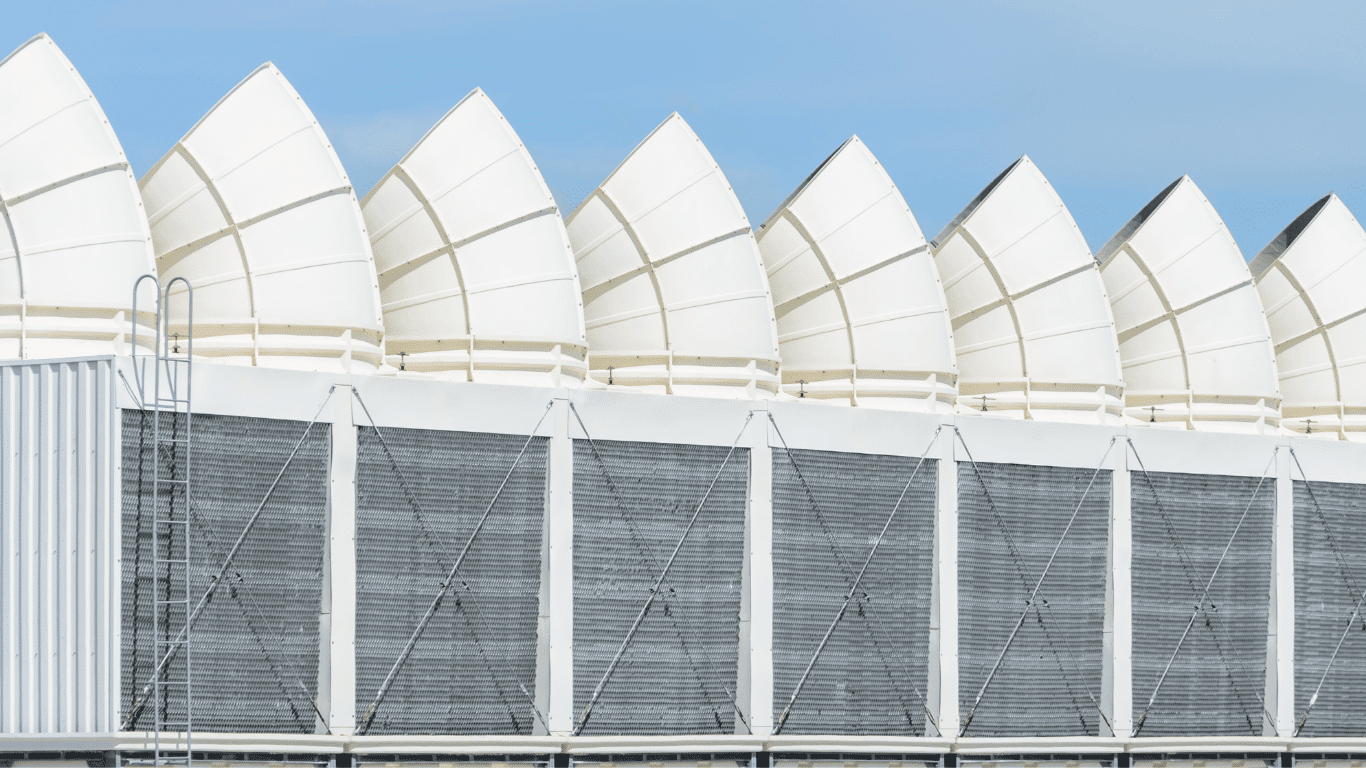
A cooling tower plays a critical role in managing heat in industrial systems, helping maintain stable and efficient operations across different processes. At the center of this performance are the cooling tower components, which work together to control airflow, water movement, and heat transfer inside the system. When I look at how these systems perform in the field, I often find that efficiency and reliability come down to how well each part is understood and maintained. That is why it is important to look closely at how each component contributes to overall system behavior, especially when the goal is consistent and efficient operation over time.
What Are Cooling Tower Components?
Cooling tower components are the individual parts that make up a cooling tower system and allow it to transfer heat from water to air in a controlled and efficient way. These tower components include mechanical, structural, and water distribution elements that work together as one system rather than isolated parts. In simple terms, they are the building blocks that keep a cooling tower functioning properly under continuous industrial load.
In every cooling tower, the main goal is heat rejection, where hot water loses heat through direct interaction with air. This air-water interaction happens inside the tower as water flows over internal surfaces while air moves through the structure. Each component plays a role in controlling how water is distributed, how air moves, and how effectively heat is removed from the system. When all tower components work in balance, the cooling tower maintains stable performance, consistent temperature control, and improved system reliability.
Core Mechanical & Water Distribution Components
The mechanical side of cooling tower components carries most of the workload in keeping air moving and heat transfer consistent. At the center of this system are the fan, motor, drive shafts, fan blades, and the fan deck. The fan and motor work together to generate the required airflow, while the drive shafts transfer power efficiently across the assembly. Fan blades then push air through the tower structure, making sure the cooling process stays active even under varying loads. These tower parts must stay properly aligned and maintained because even small inefficiencies here can quickly affect overall system performance.
On the water side, the distribution system ensures hot water spreads evenly across the fill area so heat exchange can happen effectively. Flow control valves regulate how water moves through the system, helping maintain balance between pressure and distribution. When these cooling tower parts operate correctly, water flows evenly, and the cooling process remains stable. For a broader look at how these systems integrate into industrial setups, you can explore our overview of treatment and support systems. This connection between mechanical and water distribution systems is what keeps the entire cooling tower operating efficiently and reliably.
Fill Media & Airflow System
The fill pack is one of the most important cooling tower components because it directly improves heat transfer by increasing the contact surface between water and air. As hot water spreads over the fill, it breaks into thin films or small droplets, allowing heat exchange to happen more efficiently. This process increases the time and surface area available for cooling, which is essential for maintaining stable system performance. In many cases, cooling efficiency depends heavily on how well the fill is selected, installed, and kept clean from buildup.
The airflow system works alongside the fill to complete the cooling process. Air enters through the air inlet and air inlet louvers, then moves upward through the tower, interacting with water droplets along the way. As this air stream passes through the fill, it carries away heat and moisture in the form of water vapor. Drift eliminators then capture excess water droplets to reduce drift losses and prevent water splash out from the system. When airflow and water movement stay properly balanced, the cooling tower operates more efficiently and maintains consistent thermal performance.
Basin & Water Circulation System
The cooling tower basin is where everything comes together after the cooling process. As water moves through the system, it collects in the cooling tower basin, also referred to as the collection basin or water basin. This area stores the cooled water before it gets sent back into circulation. Water level control becomes important here because unstable levels can affect overall system balance and lead to inefficient operation. That is why operators often keep a close eye on how water flows settle inside the basin to maintain consistent performance.
Inside the basin system, the float valve plays a key role in regulating water level by automatically adjusting inflow when needed. The inlet connection and suction line, including the pump suction line, ensure that cooled water is properly drawn back into the system for reuse. When these cooling tower components work correctly, the system maintains steady circulation without interruptions. In many industrial setups, water quality and scaling control also influence basin performance, which is why integrated treatment strategies matter. You can learn more about supporting chemical programs here: custom water treatment solutions. This connection helps keep the basin clean, stable, and efficient over time.
Efficiency, Operation & Maintenance Overview
Cooling efficiency in a cooling tower depends heavily on how well the system manages heat removal through evaporation. As hot water spreads across the fill, a portion of it naturally turns into vapor, carrying heat away with the air stream. This evaporation process is what drives temperature reduction, and even small improvements in internal cooling tower components can noticeably improve overall cooling efficiency. When the system is properly balanced, it maintains steady heat rejection without overworking the mechanical and water circulation systems.
During operation, factors like drift, water loss, and splash can affect system balance. Drift refers to fine water droplets escaping with the air stream, while splash happens when water movement becomes uneven across distribution areas. If these are not controlled, they can reduce efficiency and increase water loss over time. Maintaining stable airflow and properly functioning drift eliminators helps keep these issues under control, supporting consistent efficient operation across the entire cooling tower system.
Maintenance plays a direct role in system reliability. Regular cleaning, debris control, and float valve checks help ensure water levels remain stable and components function as intended. Even minor blockages or wear can disrupt water distribution and reduce performance over time. For facilities looking to strengthen long-term system stability, proper treatment and support services are essential. You can explore how structured support improves performance here: cooling tower water treatment services. With consistent maintenance and the right operational practices, cooling towers can run more efficiently, reduce downtime, and extend equipment lifespan.
Next Steps
Well-functioning cooling tower components are essential for maintaining stable heat rejection, consistent airflow, and reliable water circulation across the entire system. When each part works as intended, from mechanical assemblies to water distribution and basin control, the cooling tower operates with better efficiency and fewer interruptions. Over time, this balance directly supports system reliability, improves performance, and helps extend equipment lifespan under continuous industrial demand.
When these systems start to show inefficiencies, it usually traces back to how the components interact rather than a single failure point. That is why understanding how each part contributes to the overall process matters so much in day-to-day operation.
Looking to strengthen system performance or address ongoing operational challenges? Our team can help assess your setup and guide you toward practical improvements. Reach out to ProChem to explore how we can support your system in achieving better efficiency, longer equipment life, and more reliable cooling performance.
Frequently Asked Questions (FAQs)
What is the function of cooling tower components?
Cooling tower components work together to remove heat from water through controlled air and water interaction. Each part supports the cooling process by improving airflow, heat exchange, and evaporation. When all components operate correctly, the system maintains stable and efficient cooling performance.
How does fill pack improve heat transfer efficiency?
Fill pack increases the surface area where water and air interact, allowing faster heat exchange. As hot water spreads across the fill, it forms thin films or droplets that cool more effectively. This improves overall system efficiency and supports consistent cooling performance.
What is the role of drift eliminators in a cooling tower?
Drift eliminators capture water droplets carried by the airflow before they leave the tower. This reduces water loss and prevents unnecessary splash-out. They help maintain system balance and improve overall cooling efficiency by keeping water within the circulation system.
How does the float valve help cooling tower operation?
The float valve regulates water levels inside the cooling tower basin by automatically adjusting make-up water flow. When levels drop, it allows water in; when levels rise, it restricts flow. This keeps the system balanced and supports smooth, uninterrupted operation.
How does water quality affect cooling tower performance?
Water quality directly impacts scaling, corrosion, and buildup inside the system. Poor-quality water can reduce heat transfer efficiency and strain cooling tower components. Proper water treatment helps maintain stable performance and extends equipment lifespan.
