
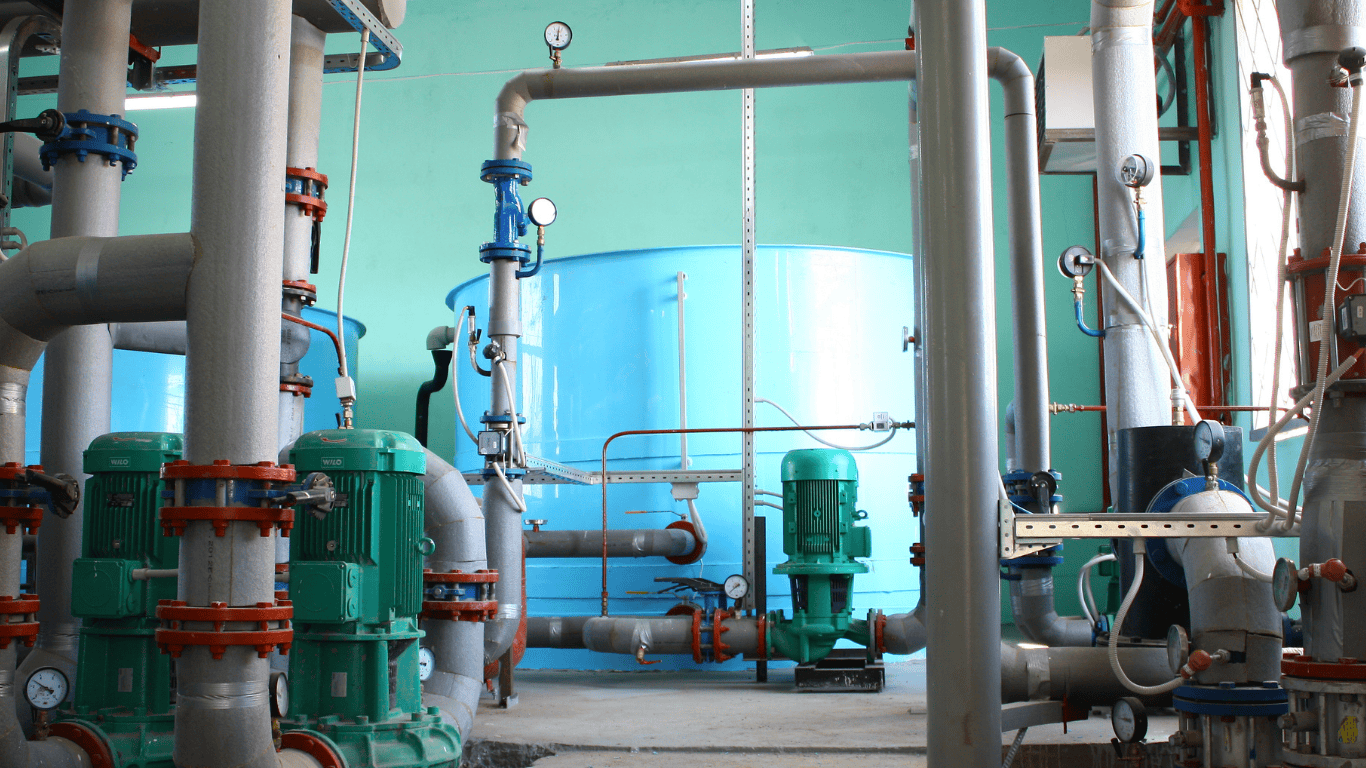
Water system maintenance often gets treated as a routine task, but in reality, it plays a direct role in how reliably your entire operation runs. Every water system, from basic filtration setups to complex water treatment processes, depends on consistent attention to stay effective. When maintenance is overlooked, small issues quickly affect water supply, equipment performance, and overall system stability. We have seen facilities deal with avoidable disruptions simply because early signs were missed. Treating water system maintenance as a core operational priority helps protect your system, maintain water quality, and support long-term performance.
Why Water System Maintenance Matters
Water system maintenance directly affects how well your operation performs day to day. When system maintenance is consistent, your water treatment system delivers stable water quality and supports optimal performance across connected equipment. When it is neglected, problems build quietly. Poor water quality can lead to scaling, corrosion, or fouling, which reduces efficiency and puts stress on critical components.
Operators often see the impact first through pressure changes, inconsistent output, or rising operating costs. Left unchecked, these issues turn into costly repairs or unexpected downtime. The reality is simple, steady water system maintenance protects both performance and budget. It keeps your system reliable, reduces long-term risk, and helps avoid disruptions that are much harder and more expensive to fix later.
Core Components That Require Attention
Every water system relies on several key system components working together, and each one needs consistent attention. In most water filtration systems, the filtration system itself does the heavy lifting, so carbon filters should be checked regularly. Once they become saturated, they stop removing impurities effectively and begin to affect overall performance.
A water softener is another critical piece. Inside, resin beads handle the softening process, and over time they can foul or degrade, especially without proper care. Reverse osmosis systems require even closer monitoring. The reverse osmosis membrane is sensitive to scaling and fouling, and small issues here can quickly reduce efficiency.
Paying attention to these core components helps keep the entire system operating smoothly and prevents performance drops that are harder to correct later.
Common Maintenance Issues and Early Warning Signs
Operators often notice the first signs of trouble long before a system fails. Clogged filters are one of the most common issues. They restrict water flow, create pressure changes, and lead to inefficient filtration. When flow rates start to drop or pressure readings fluctuate, it usually points to a blockage or buildup that needs attention.
In water softeners, salt bridges can form in the brine tank, preventing proper regeneration. This often goes unnoticed until performance drops. You may also encounter air trapped in the system, which causes irregular flow and noise.
Biological issues are another concern. Microbial growth or bacterial growth can develop in stagnant areas, especially in poorly maintained systems. These problems not only affect performance but can also compromise water quality if not addressed early.
Best Practices for Routine and Preventive Maintenance
Strong water system performance comes down to consistency. Preventive maintenance and routine maintenance are what keep small issues from turning into system failures. Teams that follow a clear maintenance schedule tend to catch problems early and keep systems running reliably.
Here are a few practical steps operators should stay on top of:
- Conduct a visual inspection of key components, checking for leaks, buildup, or unusual wear.
- Perform regular cleaning using appropriate methods to prevent fouling and buildup.
- Stay on schedule with filter replacement, and always use the correct replacement filters for your system.
- Include both water filtration maintenance and broader water treatment maintenance in your plan, not just one or the other.
- Focus on proper cleaning practices to protect sensitive components and extend equipment life.
These maintenance habits support stable performance and reduce the risk of unexpected downtime.
System-Specific Maintenance Insights
Different systems need different approaches, and this is where many maintenance plans fall short. Water softener maintenance, for example, should always include checking the brine tank. Keep an eye on the salt level and break up any buildup before it affects regeneration. When salt cannot dissolve properly, the system stops softening water effectively.
For reverse osmosis and RO systems, the reverse osmosis membrane is the most sensitive component. Fouling or scaling reduces output and increases operating pressure, so regular monitoring and timely cleaning are essential.
Other ion exchange systems follow a similar pattern. Resin performance depends on consistent care and proper regeneration cycles. Water filtration system maintenance should also stay on schedule, since delayed servicing quickly reduces efficiency. Each system has its own rhythm, and maintaining it keeps performance stable.
Building a Reliable Maintenance Strategy
A strong plan to maintain water treatment systems goes beyond scheduled tasks. It requires continuous monitoring, clear documentation, and a practical understanding of how your system behaves over time. Teams that track performance trends are better equipped to keep the system running efficiently and protect overall performance efficiency.
It also helps to stay informed about evolving solutions. You can explore different approaches through our guide on water treatment technologies, or take a closer look at membrane care in this resource on industrial reverse osmosis systems. When maintenance needs become more complex, working with a qualified water treatment professional through our operations and maintenance services helps ensure your system stays reliable.
Next Steps
Water system maintenance works best when it becomes part of how you operate, not something you react to. As a water treatment system owner, taking a preventive measure today can save you from larger issues tomorrow. Focus on consistency, stay ahead of small changes, and keep your team aligned on what efficient operation looks like.
If you are unsure where to begin, start with a basic review of your current practices and identify gaps. Then build a plan that fits your system and your goals. Need guidance? Reach out to our team and we can help you strengthen your maintenance approach with practical, system-focused solutions.
Frequently Asked Questions (FAQs)
What role does maintenance play in a drinking water system?
Maintenance keeps a drinking water system stable and safe by ensuring consistent performance and reliable removal of impurities. It also supports long-term system efficiency and helps maintain high quality water output.
How often should water quality testing be done?
Water quality testing should follow a set schedule based on system type and usage. Regular testing helps detect changes early in water treatment systems and ensures treatment processes stay effective.
Why do flow rate and water pressure matter in system performance?
Flow rate and water pressure directly affect how well a system operates. When either becomes inconsistent, it can signal blockages, scaling, or other issues that reduce overall efficiency.
What should I know about maintaining home filtration systems or whole house systems?
Home filtration systems and whole house systems require regular filter changes and inspection. Proper maintenance ensures steady water usage quality and prevents performance drops over time.
Can I use any cleaner for a water softener?
No, always use a water softener cleaner or appropriate cleaning agents designed for the system. This helps maintain water treatment systems properly and avoids damage to internal components.
