
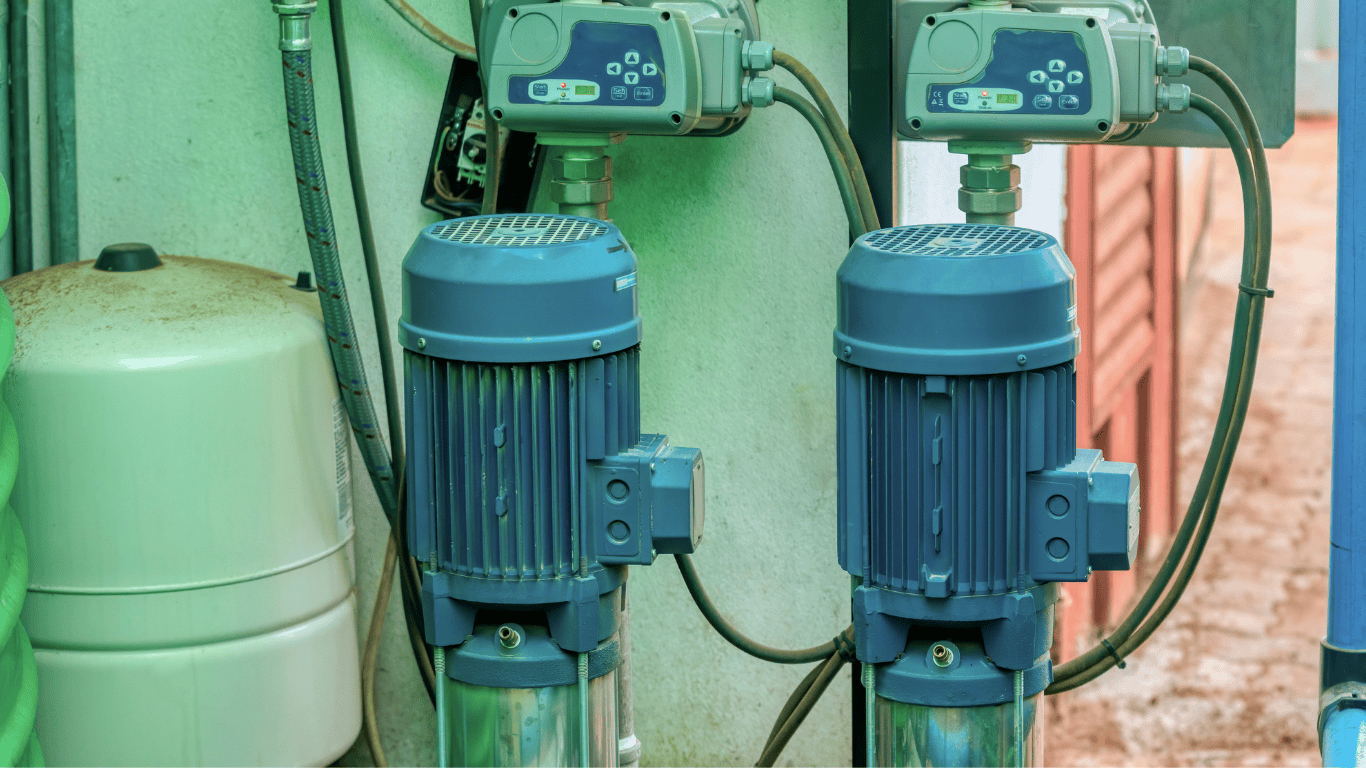
Precise chemical control plays a major role in keeping modern water treatment and industrial systems running smoothly. Operators often rely on chemical metering pumps to introduce small, controlled amounts of chemicals into a process stream at the right time and concentration. This level of control helps maintain stable operating conditions, protects equipment, and supports consistent results across a wide range of facilities. Starting from water quality management to large-scale industrial operations, reliable chemical dosing remains an essential part of maintaining safe, efficient treatment processes.
What Chemical Metering Pumps Do
At the most basic level, metering pumps move a very precise amount of chemicals into a flowing stream of water or other fluids. This process, often called chemical metering, ensures the right chemical concentration enters the system at the right time. In many facilities, operators rely on chemical metering pumps to maintain stable treatment conditions. Small adjustments in pump settings allow teams to control output, regulate pressure, and keep the treatment process running consistently.
Accurate control matters because even slight variations in chemical injection can affect system performance. Too little chemical may reduce treatment effectiveness, while too much can damage equipment or disrupt operations. Accurate dosing keeps the system balanced, protects downstream components, and helps operators maintain predictable treatment results across changing operating conditions.
How Chemical Metering Pumps Work
Most chemical metering pumps operate through a controlled diaphragm movement that pushes a measured amount of liquid through the pump with each cycle. As the diaphragm moves back and forth, it draws fluid into the liquid end and then pushes it forward during the discharge phase. Operators can adjust the stroke length to change the pump output, which allows the system to deliver the right chemical volume for the treatment process. This controlled motion gives these pumps the ability to maintain steady pressure and consistent dosing.
A check valve system plays an important role during this cycle. These valves guide fluid flow in one direction, preventing unwanted backflow into the supply line. As the diaphragm continues moving, the inlet valve opens to draw fluid in, while the outlet valve releases it into the system under controlled pressure. This simple but reliable operation helps maintain stable injection rates and accurate chemical delivery.
Common Types of Chemical Metering Pumps
Several types of metering equipment are used across industries, each designed to handle specific operating conditions, fluids, and pressure levels. Engineers usually select a pump based on the chemical properties, the required flow rate, and the overall demands of the system. Modern facilities rely on a wide array of metering technologies that can handle everything from low-volume dosing to more demanding industrial applications.
Two of the most common pump designs include:
• Diaphragm metering pumps – These pumps use a flexible diaphragm to move fluid through the pump chamber. The design isolates the chemical from the mechanical components, which helps protect the equipment when handling corrosive fluids. Many industrial systems prefer this design because it maintains steady pressure and reliable dosing.
• Peristaltic pumps – These pumps move fluids through flexible tubing using rotating rollers. The design keeps the chemical fully contained inside the tube, which makes it a practical option for aggressive or sensitive chemicals. Facilities often choose this type when the system must handle challenging fluids or when maintenance access needs to stay simple.
Materials, Capacity, and Design Considerations
Selecting the right metering pump starts with understanding the chemical environment and system requirements. Engineers evaluate materials carefully because many treatment chemicals, including strong acids, can cause corrosion or degrade equipment over time. For this reason, manufacturers often use durable plastics such as PVC and PVDF, which offer strong chemical compatibility and corrosion resistance. These materials help protect pump components while supporting reliable dosing in demanding treatment systems.
Capacity and operating conditions also guide pump selection. Most metering pumps are designed to deliver a specific flow rate, often measured in GPH, or gallons per hour. Operators also consider the system’s maximum pressure, since higher pressures require pumps built to handle more demanding conditions. Matching pump capacities with the system’s dosing needs helps teams select equipment that fits the application and supports stable treatment solutions over the long term.
Where Chemical Metering Pumps Are Used
Many industries rely on chemical metering equipment to support reliable treatment and production process control. In water treatment and wastewater systems, operators depend on precise injection to maintain water quality and system stability. Chemical dosing supports filtration, disinfection, corrosion control, and other treatment steps. Teams that want to better understand the broader technologies behind these systems often explore our guide to water treatment technologies, which explains how different treatment components work together.
These pumps also support a wide range of industrial applications, including manufacturing and agricultural operations. Facilities often use them for dosing chemicals into moving streams of fluids, keeping reactions and treatment stages properly controlled. Chemical metering also plays an important role in disinfection systems. For example, our guide to chlorine injection systems explains how controlled chemical injection helps maintain safe water supplies. You can also explore our article on chemical treatment of wastewater to see how dosing supports effective treatment solutions across many facilities.
Building a Reliable Chemical Dosing System
Selecting the right pump is only one part of creating an effective chemical dosing system. Operators should also focus on proper calibration, maintaining filters, monitoring flow and output, and ensuring voltage compatibility. Regular maintenance helps prevent downtime and keeps systems running smoothly. Choosing the right LMI series pump can simplify many of these tasks, as these pumps are designed to fit a variety of applications, provide consistent performance, and meet the chemical dosing requirements of most industrial processes.
Operators who regularly review calibration, filters, and maintenance often catch issues early. Our team can guide you step by step to set up a reliable dosing system, select the right LMI pump series, and monitor performance for lasting impact. Contact us to start optimizing your chemical injection today.
Frequently Asked Questions (FAQs)
How do you select the right chemical metering pumps?
Selecting chemical metering pumps starts with understanding the applications, required flow rates (GPH), chemical compatibility, and pressure needs. Operators consider types and series of pumps, from diaphragm metering pumps to peristaltic pumps, to ensure they deliver accurate dosing and consistent results.
What chemicals can these pumps handle?
Most pumps can handle a variety of materials, including acids. Choosing the right construction, such as PVC or PVDF, is essential for durability. Understanding stroke length and proper metering ensures the system remains safe and efficient.
How does chemical injection work?
Chemical injection relies on check valves and controlled pumps to deliver precise doses. Proper setup helps prevent backflow, maintain accuracy, and allows operators to safely add chemicals into the water treatment process.
What are the differences between pump types?
Diaphragm metering pumps offer reliable sealing for harsh chemicals, while peristaltic pumps keep fluids contained in tubing. The variety of LMI series pumps provides solutions for different applications, giving teams the ideal products for consistent performance.
Who can I contact for support?
For guidance on pump selection and setup, contact our experts today. We’ll help you choose the right products, configure pumps, and ensure safe, accurate dosing to keep your facility efficient and productive.
