
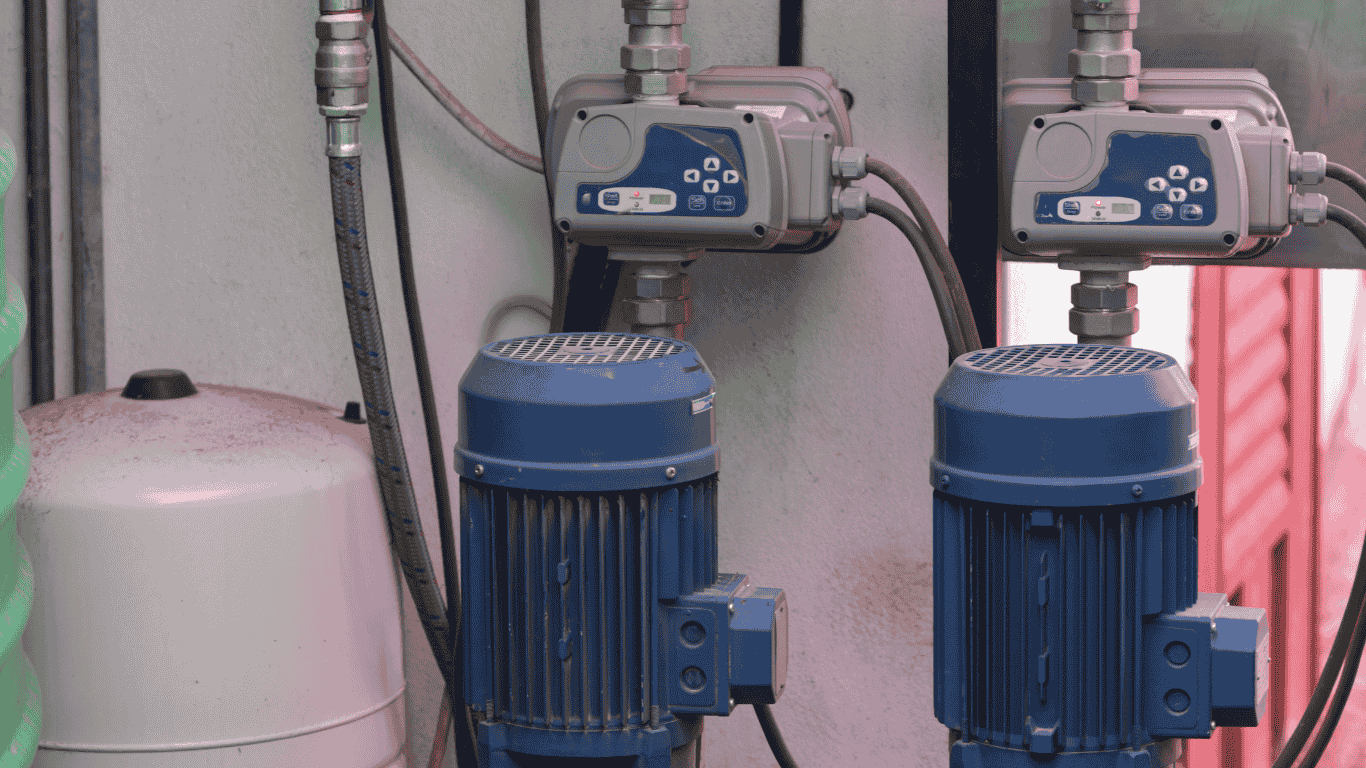
A chlorine injection system is a critical component in modern water treatment. Its primary role is to introduce precise amounts of chlorine into water streams to ensure safe, high-quality drinking water and protect against harmful bacteria. Operators rely on these systems to maintain consistent chlorine levels across distribution networks, which helps prevent contamination and supports regulatory compliance.
Understanding how a chlorine injection system functions is essential for facilities managing municipal water, well water, or industrial water treatment processes. In the sections that follow, we’ll explore system design, operation, and best practices to keep water safe and reliable.
Understanding Chlorine Injection Systems
A chlorine injection system is designed to deliver controlled amounts of chlorine into a water stream to maintain safe water quality. At its core, the system consists of a solution tank, a metering pump, and an injection point where the chlorine solution enters the water flow. Operators prepare a precise chlorine mixture in the solution tank, which the pump then injects based on flow rate and water demand.
Proper placement and calibration are key to ensuring consistent chlorine distribution throughout the system. Teams often monitor the system closely, checking for fluctuations in flow or solution strength to prevent over- or under-chlorination. For an overview of different treatment setups and technologies, explore ProChem’s treatment systems.
Types of Chlorine Injection Methods
There are several approaches to chlorine injection, each suited for different water treatment needs. The most common method uses a chlorine injection pump to introduce liquid chlorine or sodium hypochlorite into the water stream. Peristaltic metering pumps are often preferred for smaller systems or where precise dosing is critical, as they deliver a consistent flow without backflow or contamination.
Larger municipal or industrial systems may rely on diaphragm or piston metering pumps to handle higher volumes and maintain proper chlorine levels throughout the distribution network. Operators usually decide which method to use based on water flow, system size, and required contact time. Dosing chlorine effectively ensures treated water meets safety and quality standards, while careful injecting chlorine helps avoid over-chlorination and chemical waste.
Key Design Considerations for Effective Systems
Designing an effective chlorine injection system requires attention to several critical factors. The injection point should be located where water is fully mixed, ensuring even distribution of the chlorine solution. Accurate measurement of flow rate is essential, as it determines how much chlorine the solution tank needs to supply.
Operators also monitor chlorine levels and contact time to guarantee the water receives sufficient disinfection before entering the distribution system. A well-planned system design balances chemical strength, water flow, and safety considerations. Teams often run simulations or trial runs to confirm performance. For a deeper look at treatment setups and system technologies, check out ProChem’s water treatment technologies.
Maintaining Optimal Chlorine Levels
Maintaining proper residual chlorine levels is essential for ensuring safe drinking water and achieving consistent water quality. Operators typically measure the chlorine residual at various points in the system to verify that treated water meets regulatory standards. If readings fall outside the recommended range, it’s important to adjust chlorine levels promptly by recalibrating pumps or modifying the solution concentration in the solution tank.
Regular monitoring also helps detect changes in water flow, temperature, or organic content that can affect chlorine effectiveness. Teams often use automated analyzers for continuous tracking, but manual testing remains a reliable method in many facilities. Following these best practices ensures the water leaving the system is fully treated water that’s safe for public consumption.
Safety and Handling in Chlorination Systems
Working with chlorine involves handling strong chemicals, including sodium hypochlorite, which can be hazardous if not managed properly. Operators should always wear appropriate personal protective equipment such as gloves, goggles, and chemical-resistant clothing to reduce exposure risks. Proper training helps teams understand how the chemical reacts with water and other substances, preventing accidents and ensuring safe disinfection of harmful pathogens.
Storing chemicals correctly, monitoring solution strength, and following facility protocols are essential steps in maintaining a safe work environment. For guidance on chemical management and custom dosing solutions, visit ProChem Chemical Programs.
Advantages of Chlorine Injection in Water Treatment
Using a chlorine injection system offers several key benefits in water treatment processes. Chlorine is highly effective at disinfecting water, eliminating bacteria and other harmful microorganisms that threaten human health. It also helps control odors and maintain consistent chlorine levels throughout the distribution system, ensuring safe water reaches every part of the water supply.
For municipal and industrial operators, chlorine injection is a reliable and cost-effective method, providing long-lasting protection with minimal operational complexity. Regular monitoring ensures that water remains safe while complying with regulatory standards. Properly implemented, chlorine injection supports both efficiency and confidence in water quality for communities and facilities alike.
Limitations and Alternative Disinfection Methods
While chlorine injection is highly effective, it has some limitations. Its performance can be reduced by high levels of organic matter or the presence of hydrogen sulfide, which can react with chlorine and decrease its effectiveness. In certain applications, operators may consider alternative disinfection methods such as ozone treatment or ultraviolet (UV) systems, which can complement or replace chlorine in specific scenarios.
Evaluating water characteristics, treatment goals, and operational constraints is essential before selecting a method. Teams often combine approaches to achieve the best results while maintaining water quality and safety across the system.
Maintenance and Troubleshooting Tips
Regular maintenance is key to keeping a chlorine injection system running at optimal performance. Operators should monitor how often pump runs occur and check that the flow of water moves consistently through the system. Inspecting water meters and verifying pump calibration helps detect early signs of wear or blockage.
Teams often watch for fluctuations in flow or unexpected changes in chlorine levels, which can signal air in the lines or pump issues. Simple preventive measures, such as cleaning strainers, checking valves, and keeping solution tanks properly filled, go a long way in avoiding downtime and ensuring treated water maintains consistent quality throughout the distribution system.
Steps for Implementing a Chlorine Injection System
Implementing a chlorine injection system starts with careful planning of your water treatment needs. Begin by assessing water flow rates, quality parameters, and treatment goals to determine the right system size and pump type. Next, install the solution tank, metering pump, and injection point, ensuring proper placement for even chlorine distribution. Once operational, calibrate the system to deliver the correct dosage and monitor chlorine levels regularly to maintain safe, consistent water.
Regular checks and adjustments help meet water quality goals while preventing over- or under-chlorination. Need guidance on setting up or optimizing your system? Contact our experts to develop a tailored solution that ensures reliable, safe, and efficient water treatment for your facility.
Frequently Asked Questions (FAQs)
What is the role of a chlorine injection system in water treatment?
A chlorine injection system is used to disinfect water systems, remove contaminants, and maintain safe drinking water by delivering precise doses of chlorine. It ensures clean water travels safely through pipes and reaches the water supply reliably.
How do operators monitor chlorine levels effectively?
Monitoring residual chlorine levels or chlorine residual at different points, including water meters, helps verify proper dosing. Regular checks on flow rate, temperature, and water usage ensure the system performs at optimal performance.
What safety measures are essential when injecting chlorine?
Teams should always wear personal protective equipment when handling chemicals like chlorine or sodium hypochlorite. Proper handling prevents exposure to ammonia, hydrogen sulfide, and other reactions that may form from organic matter or system contaminants.
How do peristaltic metering pumps and injection points affect performance?
A peristaltic metering pump allows easily adjusted chlorine dosing for consistent chlorination systems, while proper injection point placement ensures uniform distribution. Correct calibration prevents over-chlorination and maintains safe contact time for disinfection.
What routine maintenance should teams perform?
Operators should inspect tanks, pumps, and pipes for sediment, iron, manganese, or odors. Regular maintenance prevents airlocks, ensures water travels properly through the system, and keeps various applications of the system running efficiently.
