
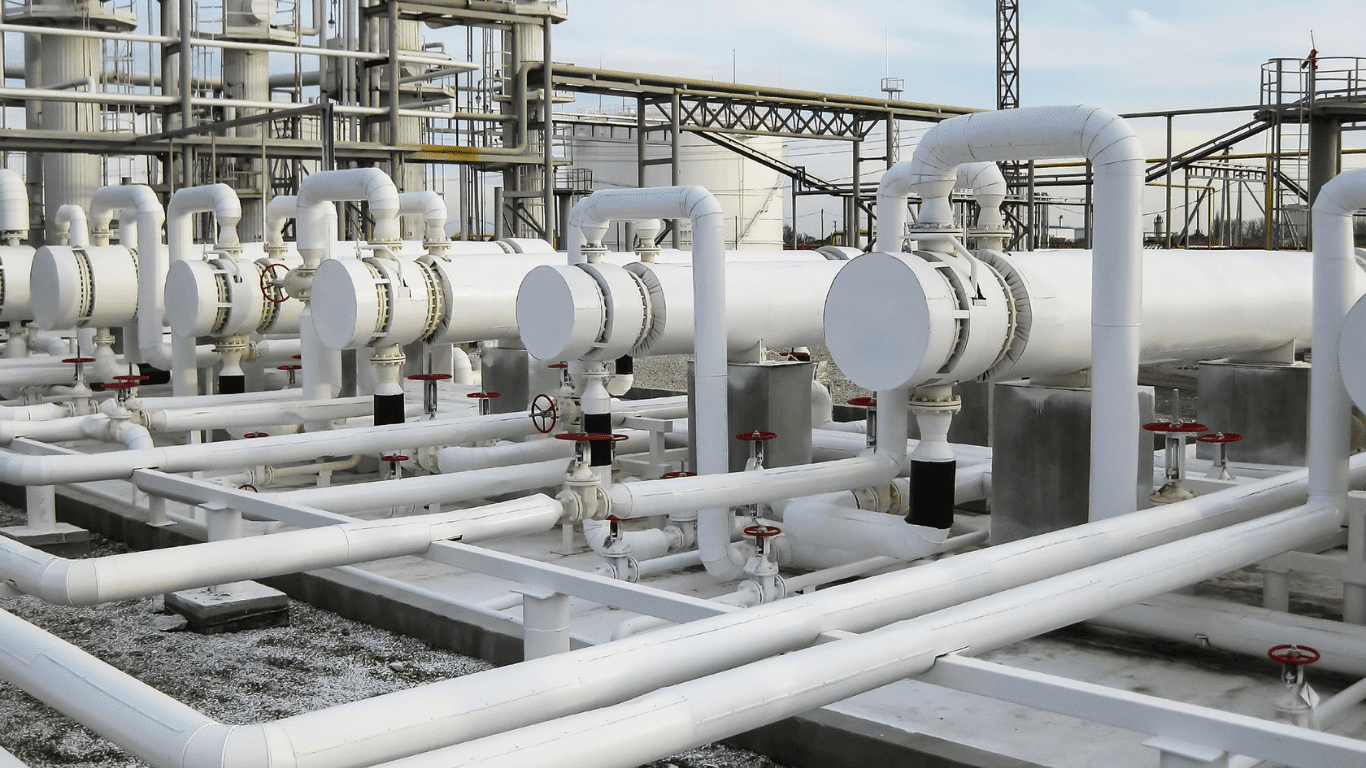
Heat transfer is all around us, shaping how energy moves in every industrial water system. Understanding the fundamentals of heat transfer helps operators and engineers ensure equipment runs efficiently, safely, and with minimal energy waste. Starting from boilers and chillers to heat exchangers, the way heat transfer occurs impacts system performance, operating costs, and even the lifespan of your equipment.
Learning how energy flows through materials, fluids, and surfaces allows teams to make informed decisions, catch potential issues early, and optimize processes. In this guide, we’ll walk through the basics, share practical insights, and show how applying these principles can improve your facility’s overall efficiency.
The Three Modes of Heat Transfer
Heat moves through industrial systems in three main ways: conduction, convection, and thermal radiation. Each mode affects how energy spreads and how efficiently equipment operates. Understanding these processes helps operators control heat flows, anticipate temperature changes, and maintain system performance.
Conduction is the direct transfer of thermal energy through solids. Heat moves from a higher temperature area to a lower temperature one as adjacent molecules collide and pass energy along. The rate depends on the material’s thermal conductivity and the temperature difference across it. Convection, on the other hand, occurs in liquids and gases when the fluid’s motion moves heat. Warm fluid rises while cooler fluid sinks, creating free convection, while pumps or fans create forced convection, speeding up the transfer of thermal energy.
Thermal radiation is the third mode, where heat travels without physical contact. Surfaces emit and absorb energy in the form of waves, often as infrared radiation. This direct transfer of heat can occur even through a vacuum, independent of adjacent molecules. Together, these three modes explain how energy moves through solids, fluids, and space, forming the foundation for all industrial heat transfer applications. For examples in water systems, see our Water Treatment Systems and Technologies guide.
Conduction – Heat Through Solids
In industrial water systems, conduction is the primary way heat moves through solids like pipes, heat exchangers, and metal surfaces. Heat naturally flows from a higher temperature area to a lower temperature one, and understanding this process can help operators identify where energy losses might occur. The efficiency of conduction depends on the material and its thermal conductivity. Metals like copper and aluminum conduct heat quickly, while stainless steel or composites transfer heat more slowly.
Surface properties also play a key role. Rough or insulated surfaces can slow down heat transfer, while smooth, clean surfaces promote efficient heat flows. Teams often notice that temperature differences along a pipe or exchanger are more significant when the material has low thermal conductivity. Monitoring these variations allows operators to spot potential hot spots or inefficiencies early.
When designing or maintaining systems, consider how materials interact in contact points. Proper selection of metal or composite material in heat exchangers can improve energy efficiency and reduce wear over time. For practical insights on material choices and system design, check our Systems Solutions Features guide.
Convection – Heat in Fluids
Convection is how heat moves through fluids, including liquids and gases, and it plays a critical role in industrial water systems. Heat naturally travels from a higher temperature region to a lower temperature one as the fluid moves. In free convection, this movement happens naturally: warmer, less dense fluid rises while cooler molecules sink, creating a circulation that spreads energy transfer throughout the system. Observing this can help operators spot uneven heating or cooling in tanks and piping.
When the fluid’s motion is assisted mechanically, it’s called forced convection. Pumps, fans, or agitators push the fluid, speeding up heat flows and ensuring more consistent temperatures. This principle is especially important in heat exchangers, where controlled fluid motion maximizes efficiency and prevents hot or cold spots.
In water treatment or chemical processes, convection determines how quickly additives or heat distribute in the system. Operators can improve performance by monitoring fluid flow patterns and adjusting circulation methods. For guidance on chemical heating and cooling solutions, explore our Chemical Programs – Custom Solutions resources.
Radiation – Heat Without Contact
Radiation is a mode of heat transfer that does not require direct contact between materials. Instead, thermal radiation moves energy through electromagnetic waves, often in the form of infrared radiation. Every heat source emits this energy, and nearby surfaces absorb it, raising their temperature without any physical contact.
This direct transfer of heat is especially important in industrial settings where fluids or solids are separated by air gaps or even a vacuum. For example, heat exchangers, boilers, and tanks often rely on radiation to move thermal energy efficiently across surfaces, supplementing conduction and convection processes.
Operators should pay attention to emission properties of surfaces, as reflective or insulated materials can significantly affect energy transfer. In some systems, radiant heat impacts pump operation and energy efficiency, making it important to consider alongside fluid-based heating. For insights on energy systems that involve radiant heat, see our Industrial Water Pump guide.
Heat Transfer in Industrial Water Systems
Understanding heat transfer is crucial for keeping industrial water systems operating efficiently. Boilers, chillers, and heat exchangers rely on effective energy movement to maintain the right temperature and prevent wasted thermal energy. In a closed system, heat moves through pipes, surfaces, and fluids, and small inefficiencies can quickly escalate into higher energy costs or equipment stress.
Operators often notice uneven heat flows in tanks or exchangers when surfaces are fouled or fluids are stagnant. Monitoring temperature across different points allows teams to spot issues early and adjust flow rates or surface cleaning schedules. Even small improvements in energy transfer can extend equipment life and reduce operational downtime.
Practical steps include checking insulation, ensuring pumps maintain proper circulation, and verifying that heat exchangers are clean and free of scale. Properly balancing these factors ensures heat is effectively transferred from the heat source to the target area, maximizing efficiency and safety in daily operations.
Practical Steps for Operators and Teams
Effective heat transfer starts with careful observation and control. Teams should regularly monitor temperature at key points in boilers, chillers, and heat exchangers, checking for uneven heating or hot spots. These variations often indicate surface fouling, material wear, or inefficiencies in circulation.
Maintaining clean surfaces and selecting the right material for pipes, tanks, and heat exchangers ensures energy moves efficiently. Simple steps like checking insulation, verifying flow rates, and confirming pumps are operating correctly can prevent wasted energy and improve overall system efficiency.
Operators often catch early issues by documenting trends over time and adjusting system controls proactively. Consistent maintenance and attention to detail help heat move where it’s needed most, keeping processes smooth and reliable. Need guidance? Contact our experts to discuss how to optimize your heat transfer processes and protect your equipment.
