
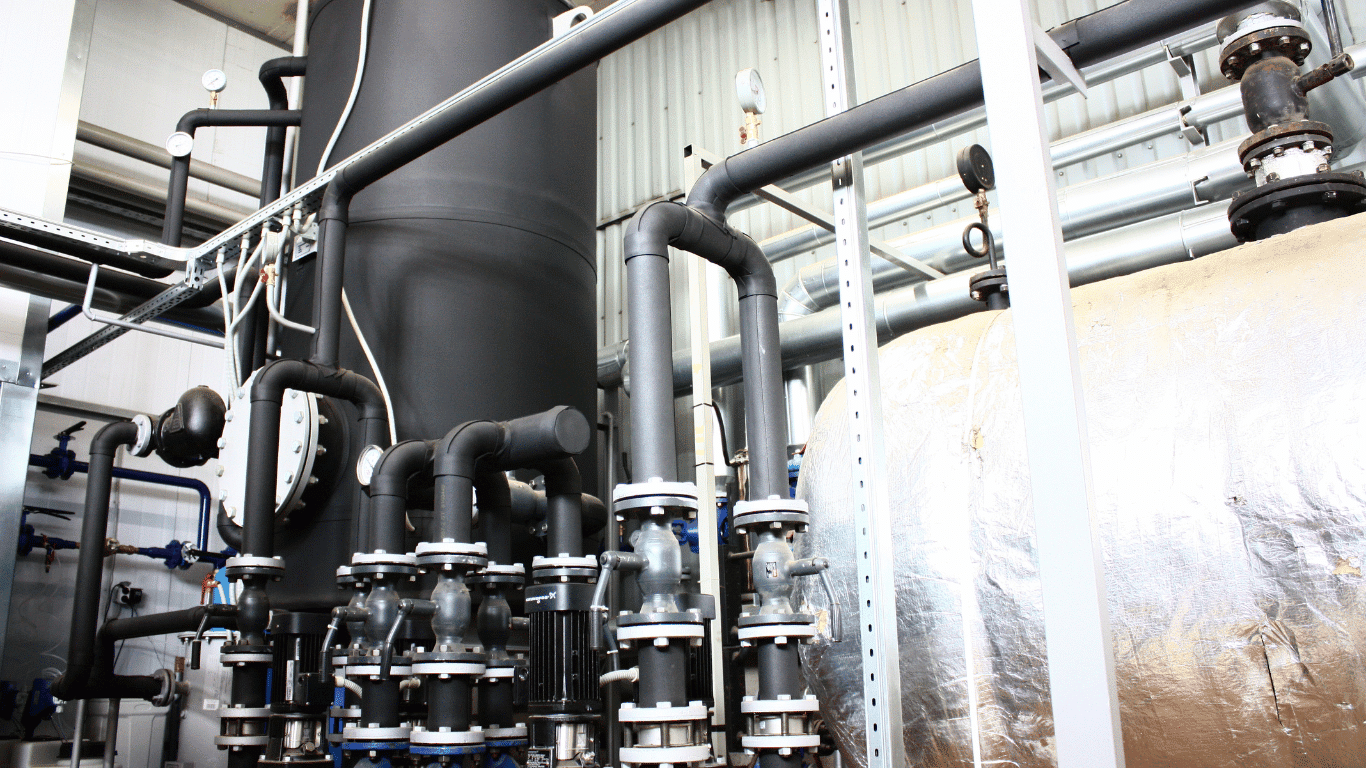
A glycol cooling system is a vital part of modern cooling systems, especially in industrial settings or low-temperature environments. These systems rely on glycol, a fluid that prevents freezing while efficiently transferring heat, ensuring operations run smoothly even under extreme conditions. Facility managers and operators often rely on glycol cooling systems to maintain precise temperatures, protect equipment, and avoid costly downtime.
Understanding how these systems work, the types of glycol available, and proper maintenance practices can make a significant difference in system performance and longevity. This guide walks you through what you need to know.
What Is a Glycol Cooling System?
A glycol cooling system is a specialized setup designed to circulate a glycol mixture through chillers, heat exchangers, and piping to remove heat efficiently. Unlike plain water, glycol lowers the fluid’s freezing point, enabling cooling systems to operate reliably in low-temperature conditions without freezing. Commonly used types include propylene glycol and ethylene glycol, selected based on safety, temperature requirements, and application needs.
Operators often notice more consistent temperatures and fewer disruptions when these systems are properly maintained. To explore the components and configurations of glycol-based systems, check out our overview of cooling systems.
Components of a Glycol Cooling System
A well-designed glycol cooling system relies on several system components working together to maintain efficient glycol cooling. At its core is the glycol chiller, which lowers the temperature of the glycol mixture before it circulates through heat exchangers to absorb heat from the process or space being cooled. Pumps move the fluid through glycol lines and reservoirs, keeping the system flowing smoothly.
Many facilities use a closed loop system, which recirculates the same glycol mixture to improve efficiency and reduce waste, while some smaller setups may use an open loop. Regular inspections of these components help operators catch early issues and maintain optimal performance. Learn more about maintaining glycol systems in our System Performance & Maintenance guide.
How Glycol Cooling Systems Work
Understanding how glycol cooling systems work starts with the circulation of the glycol mixture. The glycol water mixture is chilled in a glycol chiller and pumped through the system’s heat exchangers, where it absorbs heat from the equipment or space being cooled. As the fluid circulates, it transfers this heat back to the chiller, maintaining stable temperatures. Using ethylene glycol or other types of glycol ensures the fluid remains liquid even in low temperature environments, providing reliable freeze protection. Operators often mix glycol carefully to achieve the correct glycol solution, balancing freeze resistance with optimal heat transfer. Regular monitoring keeps the system efficient, protects equipment, and prevents downtime. For a closer look at these chillers, see our Industrial Water Chiller guide.
Choosing the Right Glycol Type
Selecting the right glycol is key for effective freeze protection and system performance. Propylene glycol is often preferred for food and beverage applications because it is safer, while ethylene glycol offers slightly better heat transfer but requires careful handling. In food processing systems, only food grade antifreeze should be used to meet safety standards. Operators should also pay attention to glycol concentration and the practice of mixing glycol types, as the right balance ensures the freezing point is lowered adequately without compromising efficiency or equipment life. Regular testing helps maintain the optimal solution.
Benefits of Glycol Cooling Systems
The advantages of glycol cooling go beyond simply preventing freezing. These systems provide precise temperature control, ensuring consistent cooling for processes and equipment, which is especially valuable in industrial cooling applications and HVAC systems. By maintaining stable operating temperatures, glycol cooling helps extend equipment life, reduce wear, and lower maintenance needs. The glycol mixture also supports efficient heat transfer, improving system efficiency and reducing energy consumption over time. Operators often notice fewer disruptions and more predictable performance when the system is properly maintained. Overall, glycol cooling systems deliver reliability, energy savings, and protection for both equipment and processes.
Common Challenges and Maintenance Tips
Even the best glycol cooling systems face challenges if not properly maintained. Teams should watch for leaks in glycol lines, signs of degraded glycol, or corrosion on metal components, as these issues can compromise system performance. Regular chemical treatment helps maintain the balance of the glycol mixture and protects against corrosion. Using corrosion inhibitors is essential to extend the life of pumps, heat exchangers, and piping. Maintaining the correct concentration ensures the freezing point stays low and heat transfer efficiency remains high. Operators also find that proper monitoring and timely fluid replacement improve energy efficiency and reduce long-term maintenance costs. Consistent attention to these details keeps the system reliable and prevents unexpected downtime.
Steps to Maximize Glycol Cooling System Performance
Maintaining a glycol cooling system starts with regular inspection and testing. Operators should check glycol lines for leaks, monitor fluid levels, and verify that the glycol concentration is within the recommended range. Testing the system’s cooling capacity ensures it meets process requirements without overworking the chiller, which can increase energy consumption. Using a closed loop configuration allows for consistent circulation, better heat transfer, and reduced fluid loss.
Teams should also schedule periodic chemical treatment and clean heat exchangers to prevent buildup or corrosion. Need guidance on keeping your glycol system running efficiently? Connect with our experts today to develop a tailored maintenance plan that protects equipment and improves performance.
Frequently Asked Questions (FAQs)
What is the difference between propylene glycol and ethylene glycol?
Propylene glycol is safer for food processing and food grade antifreeze applications, while ethylene glycol provides slightly better heat transfer for industrial cooling applications. Both help lower the freezing point and maintain reliable freeze protection.
How does a glycol chiller work with a glycol water mixture?
The glycol chiller circulates the glycol water mixture through heat exchangers, absorbing heat from the process or refrigeration system to maintain temperature control and cooling capacity.
What is a closed loop system and why is it used?
A closed loop system recirculates the same fluid, improving system efficiency, energy efficiency, and heat transfer efficiency while reducing fluid loss.
How do I prevent degraded glycol and fluid degradation?
Regular testing of glycol concentration, chemical treatment, and monitoring metal components prevent degraded glycol, maintain system integrity, and extend system life.
Can glycol systems operate in very low temperatures?
Yes, properly mixed glycol types remain liquid in low temperature environments, support rapid cooling, and protect chiller systems and HVAC systems from freeze damage.
