
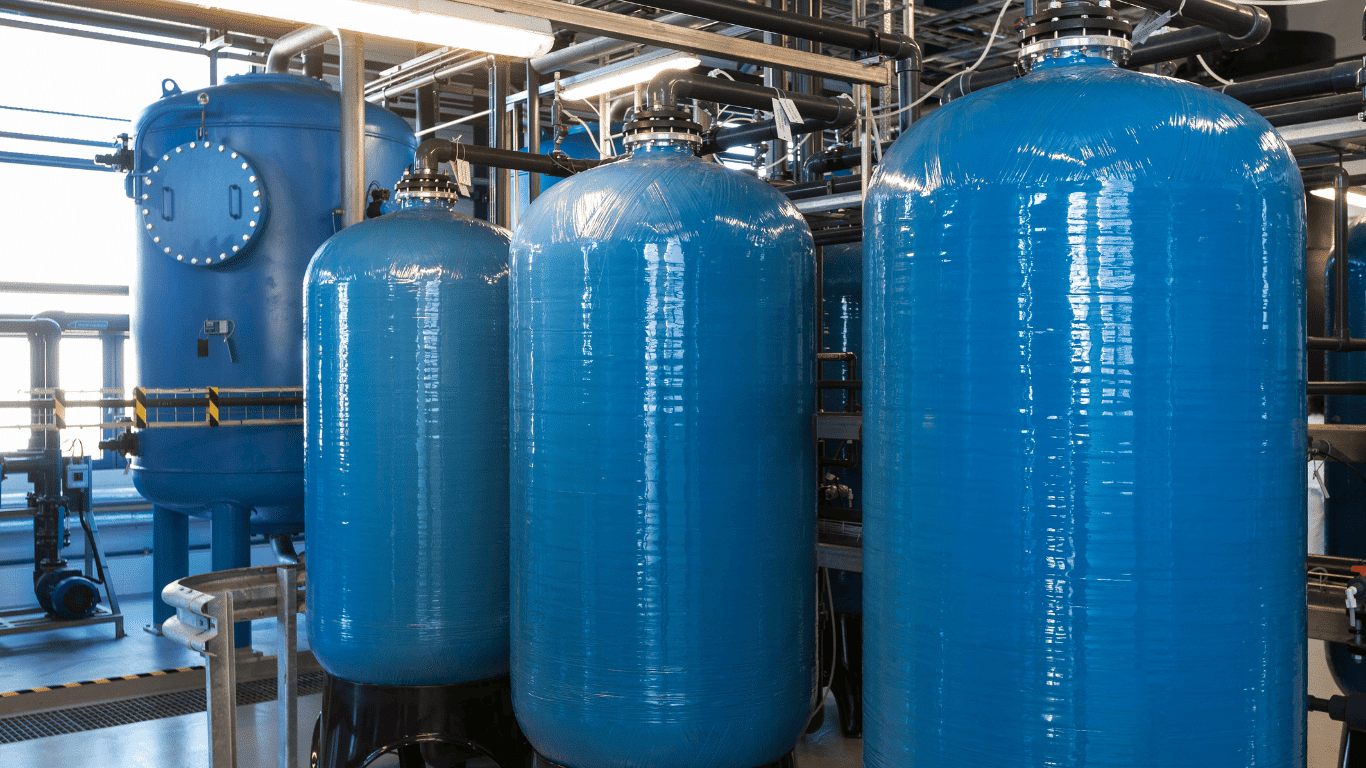
If you’ve ever managed a facility with hard water, you know how quickly minerals can affect equipment, plumbing, and overall operations. An industrial water softener plays a critical role in modern water treatment systems, removing calcium, magnesium, and other minerals from industrial water before they cause scale or damage. Understanding how these systems work is the first step toward protecting your facility and improving efficiency.
What is an Industrial Water Softener?
An industrial water softener is a specialized system designed to treat hard water in commercial and industrial facilities. These water softener systems use ion exchange technology to remove calcium and magnesium ions, replacing them with sodium or potassium. Inside the system, resin beads attract and hold the minerals, producing soft water that protects pipes, boilers, and process equipment from scale buildup. Operators often notice smoother water flow and fewer maintenance issues once a softener is installed. For a closer look at how these systems are engineered and integrated, see our ProChem Systems Overview.
How Industrial Water Softeners Improve Water Quality
Industrial water softeners play a key role in maintaining high water quality across your facility. By removing calcium, magnesium, and other minerals, they reduce scale buildup that can damage pipes, boilers, and process equipment. Softened water also improves cleaning efficiency, helping detergents and chemicals work more effectively while preventing residue. Facilities benefit from fewer maintenance issues, longer equipment life, and cleaner water overall. Teams often notice early improvements in flow and performance shortly after installation, making soft water a simple yet powerful solution for protecting industrial water systems and ensuring consistent clean water throughout operations.
Applications in Industrial and Commercial Settings
Industrial water softeners are used across a wide range of commercial and industrial applications. They protect boilers, cooling towers, and other process equipment from scale and mineral buildup, ensuring reliable operation. Facilities such as restaurants, car washes, and manufacturing plants rely on commercial water softener systems to maintain water quality and equipment efficiency. Softened water also improves cleaning performance and reduces detergent use. For businesses looking to implement the right system for their needs, our Commercial Water Softener Installation guide offers practical insights and installation advice.
Key Components of Industrial Water Softener Systems
An industrial water softener relies on several key components to function effectively. The resin tank holds ion exchange beads that capture calcium and magnesium, while brine tanks supply the sodium solution needed for regeneration. Valves control water flow through the system, and piping ensures smooth distribution across water systems. Operators often notice early issues when valves stick or resin loses efficiency, signaling it’s time for maintenance. Understanding these components helps teams troubleshoot problems quickly and ensures the softener continues to deliver consistent soft water, protecting equipment and improving overall system performance.
How Water Softening Impacts Efficiency and Operating Costs
Using an industrial water softener can have a significant impact on both efficiency and operating costs. Soft water prevents scale buildup in boilers, cooling towers, and other process equipment, allowing systems to run smoothly and use less energy. Maintenance needs decrease, and the lifespan of industrial water systems extends. Teams often catch inefficiencies early by monitoring water hardness regularly, spotting issues before they affect performance. Over time, these benefits add up to lower energy bills, reduced downtime, and more reliable operations across your facility.
Maintenance and Regeneration Tips
Proper maintenance is essential to keep an industrial water softener performing at its best. Regular resin regeneration ensures minerals are effectively removed, while brine tanks should be checked and refilled as needed. Routine inspections of valves, tanks, and piping help prevent small issues from becoming costly problems. Operators should follow a consistent schedule within their water treatment systems to maintain efficiency and water quality. For a detailed guide on keeping your softener in top shape, see our Water Softener Regeneration Cycle.
Choosing the Right System for Your Facility
Selecting the right industrial water softener starts with understanding your facility’s water needs. We recommend reviewing your daily water volume and peak demand before choosing a system. Consider the flow rate required to supply all equipment efficiently, and evaluate whether a single or multi-tank setup best fits your operations. Commercial water softener and water softening systems vary in size and features, so consulting experts can help ensure optimal performance, prevent scale buildup, and extend the life of your industrial water systems while maintaining consistent water quality.
Integrating Water Softeners with Other Water Treatment Systems
Industrial water softeners work best when integrated with other water treatment systems. Pairing softeners with reverse osmosis or advanced filtration ensures industrial water is not only soft but also free from additional contaminants, delivering consistently clean water throughout your facility. This combination protects equipment, improves process efficiency, and supports high-quality operations. For a closer look at how softeners complement advanced treatment, see our guide on Industrial Reverse Osmosis System.
Steps to Maximize the Benefits of an Industrial Water Softener
To get the most from your water softener systems, start by ensuring proper installation and sizing for your facility’s daily water needs. Monitor water quality regularly and schedule routine maintenance, including resin regeneration and valve checks. Softened water helps your equipment run efficiently, reduces downtime, and extends the life of industrial applications like boilers and cooling towers.
Teams often catch early issues by staying proactive with inspections. Talk to our experts to ensure your facility gets the most from your water softener system.
