
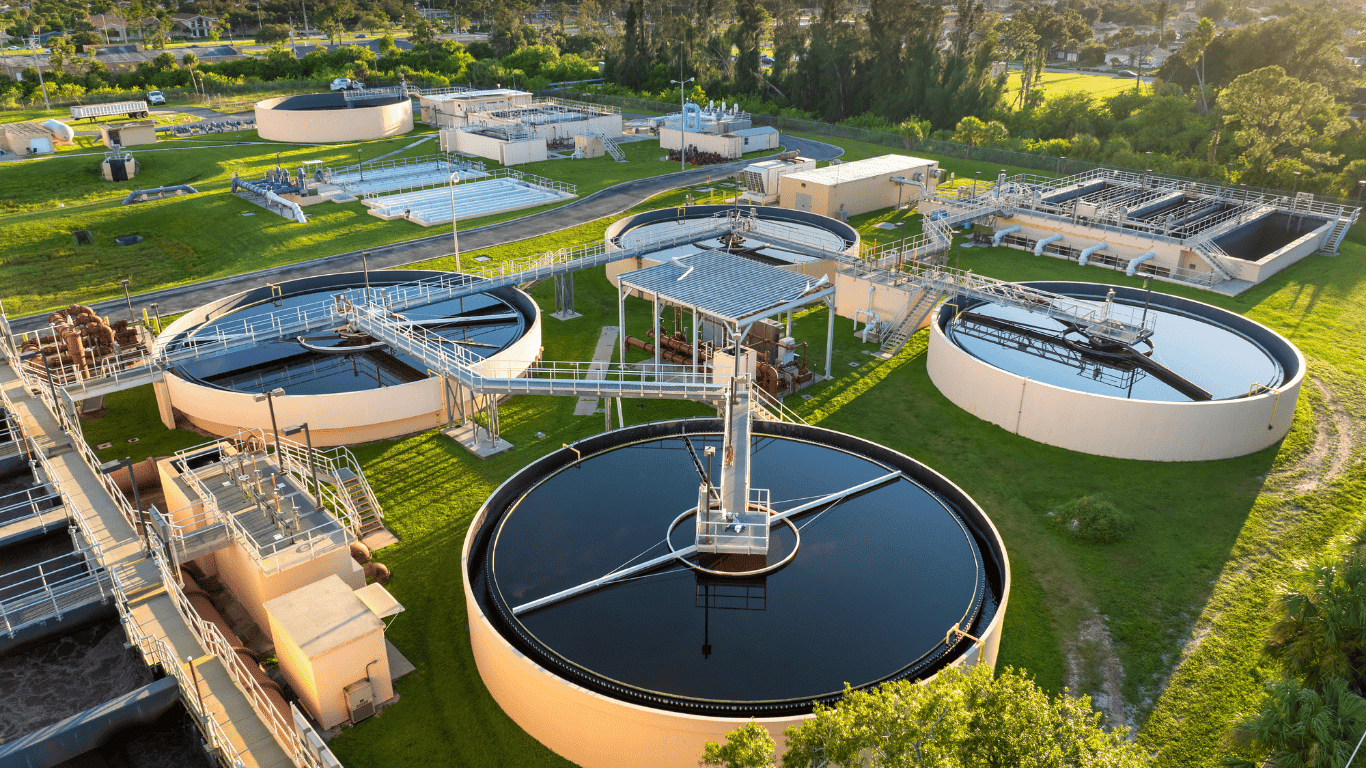
Water treatment facilities play a critical role in keeping our communities and industries supplied with safe, reliable water. These treatment facilities are designed to process water from multiple sources, remove contaminants, and ensure it meets quality standards before it enters local water systems. Understanding how these facilities operate helps operators, engineers, and facility managers make informed decisions to maintain water safety and reliability.
In this article, we’ll explore the key processes that make water treatment effective, while offering practical insights for anyone managing or interacting with these systems.
The Purpose of Water Treatment Plants
Water treatment plants are essential for delivering safe drinking water to communities while managing the flow of wastewater from homes and industries. These facilities carefully treat and monitor water to remove contaminants, bacteria, and other harmful substances, ensuring the water meets regulatory standards.
Beyond providing clean water, treatment plants help maintain reliable wastewater systems, protecting the environment and public health. Understanding the role of these plants is key for operators who want to optimize their treatment systems and maintain consistent water quality.
How Contaminated Water Enters the System
Contaminated water can come from many sources, including stormwater runoff, industrial discharge, and municipal sewage. These inputs often carry sediments, chemicals, and organic matter that need careful handling before treatment.
Operators often catch early issues by monitoring these flows, ensuring the facility responds quickly to prevent equipment strain or compromised water quality. Understanding the origins of wastewater helps teams anticipate challenges and maintain a smooth treatment process throughout the facility.
Screening and Removal of Large Debris
The first step in most water treatment facilities is removing large debris and larger particles through screens and grit chambers. This process captures sticks, leaves, and other solids before they reach sensitive equipment. This step prevents damage to downstream equipment, reduces maintenance needs, and keeps the treatment process running efficiently from the very start.
Sedimentation and Clarification
After screening, water moves into sedimentation tanks where heavier particles naturally settle to the bottom, forming sludge. This process removes much of the organic matter and suspended solids, clarifying the water before further treatment. Operators monitor sludge levels to avoid backups and ensure the system runs smoothly. Proper sedimentation is a critical step for maintaining water quality and protecting downstream equipment.
Filtration Methods in Treatment Facilities
Once sedimentation is complete, water passes through filters to remove remaining particles. Common filtration methods include sand filters, multimedia filters, and advanced membrane filtration systems. Each method targets different particle sizes, helping maintain consistent water quality. Filtration ensures water is clear and ready for chemical treatment, reducing the risk of contaminants reaching the final stages. Operators rely on well-maintained filters to deliver treated water that meets safety standards and supports a reliable distribution system.
Chemical Treatment and Disinfection
After filtration, water undergoes chemical treatment to remove harmful bacteria and pathogens. Facilities commonly use chlorine and other disinfectants to ensure water is safe for consumption. Monitoring chlorine levels is key to delivering potable water safely, and operators adjust dosing based on flow and water quality.
Well-managed disinfection not only protects public health but also preserves the integrity of the distribution system. Many facilities rely on tailored chemical programs to optimize treatment and maintain consistent water safety.
Advanced Processes: Reverse Osmosis and Ion Exchange
For applications that require exceptionally high-purity water, facilities use advanced processes like reverse osmosis and ion-exchange. These methods remove dissolved salts, minerals, and trace contaminants, producing potable water with superior water quality.
Operators monitor these systems closely to maintain consistent performance and prevent fouling. Incorporating ion-exchange systems allows treatment facilities to address specific water chemistry challenges, ensuring water meets stringent industrial or municipal standards.
Wastewater Treatment Processes
Water treatment facilities also manage the flow of wastewater from industrial and municipal sources. A wastewater treatment plant follows a structured wastewater treatment process to remove contaminants, solids, and harmful microorganisms before discharge. Sedimentation, biological treatment, and filtration reduce the concentration of pollutants, while sludge is carefully handled to prevent environmental hazards. Proper management reduces environmental impact and ensures that wastewater systems operate efficiently, protecting both the community and local ecosystems from potential contamination.
Environmental and Regulatory Considerations
Water treatment facilities must comply with guidelines set by the Environmental Protection Agency and adhere to federal drinking water standards to protect public health. Operators often run daily tests to stay within safe levels, monitoring contaminants and chemical doses closely. Maintaining compliance safeguards the environment and ensures the community receives treated water that is safe for consumption. Proactive oversight also helps prevent costly violations and reinforces trust in the reliability of local water systems.
Flow Control and System Monitoring
Effective water treatment relies on precise flow control and continuous monitoring of pumping systems. Sensors track water levels, pressure, and movement throughout the water systems, ensuring the treatment system operates efficiently. Teams should watch for irregular flow, which signals potential issues, allowing operators to address problems before they impact water quality or disrupt operations. Consistent monitoring keeps the facility running smoothly and protects both equipment and treated water.
Importance of Preventive Maintenance
Regular maintenance is essential for keeping treatment facilities running efficiently. Simple inspections of equipment, timely cleaning, and adjustments to chemical dosing help prevent unexpected breakdowns. Operators often find that consistent upkeep reduces downtime, protects system components, and maintains water quality. Simple inspections can prevent major downtime, ensuring the facility continues to deliver safe, reliable water without interruptions.
Water Recycling and Reuse
Many water treatment facilities incorporate wastewater treatment strategies that allow treated water to be reused for industrial processes or irrigation. This approach improves water efficiency while reducing the demand on local water sources. By planning for water reuse, facilities can lower operational costs, support sustainability goals, and minimize environmental impact, all while maintaining safe and reliable water quality for the community and surrounding industries.
Community and Health Impact
Safe, reliable water from treatment facilities directly supports community well-being. Through a careful drinking water treatment process, facilities remove contaminants and pathogens, providing safe water that protects health. Access to clean water reduces the risk of waterborne illnesses, supports daily life, and strengthens public confidence in local infrastructure. Operators play a key role in maintaining these standards, ensuring the community always has access to water they can trust.
Challenges in Water Treatment Facilities
Water treatment facilities face several challenges, from fluctuating seasonal flows and stormwater surges to unexpected contaminants in wastewater. Aging infrastructure and equipment can also complicate the treatment process, requiring careful oversight. Operators often catch early issues through routine monitoring, adjusting chemical dosing or flow rates as needed. Staying proactive helps prevent system disruptions, maintain water quality, and ensure the facility continues to deliver safe, reliable water to the community.
Innovations in Treatment Technology
Modern water treatment facilities increasingly rely on advanced systems to improve efficiency and reliability. Automated monitoring, AI-driven analytics, and predictive maintenance allow operators to detect issues before they disrupt the treatment system.
Technologies like membrane bioreactors streamline the process, enhancing water quality while reducing energy and chemical use. Implementing these innovations helps facilities stay ahead of challenges and maintain consistent, safe water delivery. Learn more about predictive maintenance technologies.
Steps for Ensuring Effective Treatment
To keep a water treatment facility running smoothly, operators should regularly monitor water quality, clean equipment, maintain chemical dosing, inspect pumps, and track sludge levels. Following these best practices throughout the treatment process ensures safe water delivery and supports efficient waste management. Consistent attention to these steps helps prevent downtime, reduce maintenance costs, and extend the life of your treatment facilities.
Ensure your treatment facilities operate at peak performance. Connect with us today to discuss solutions that safeguard water quality and system reliability.
