
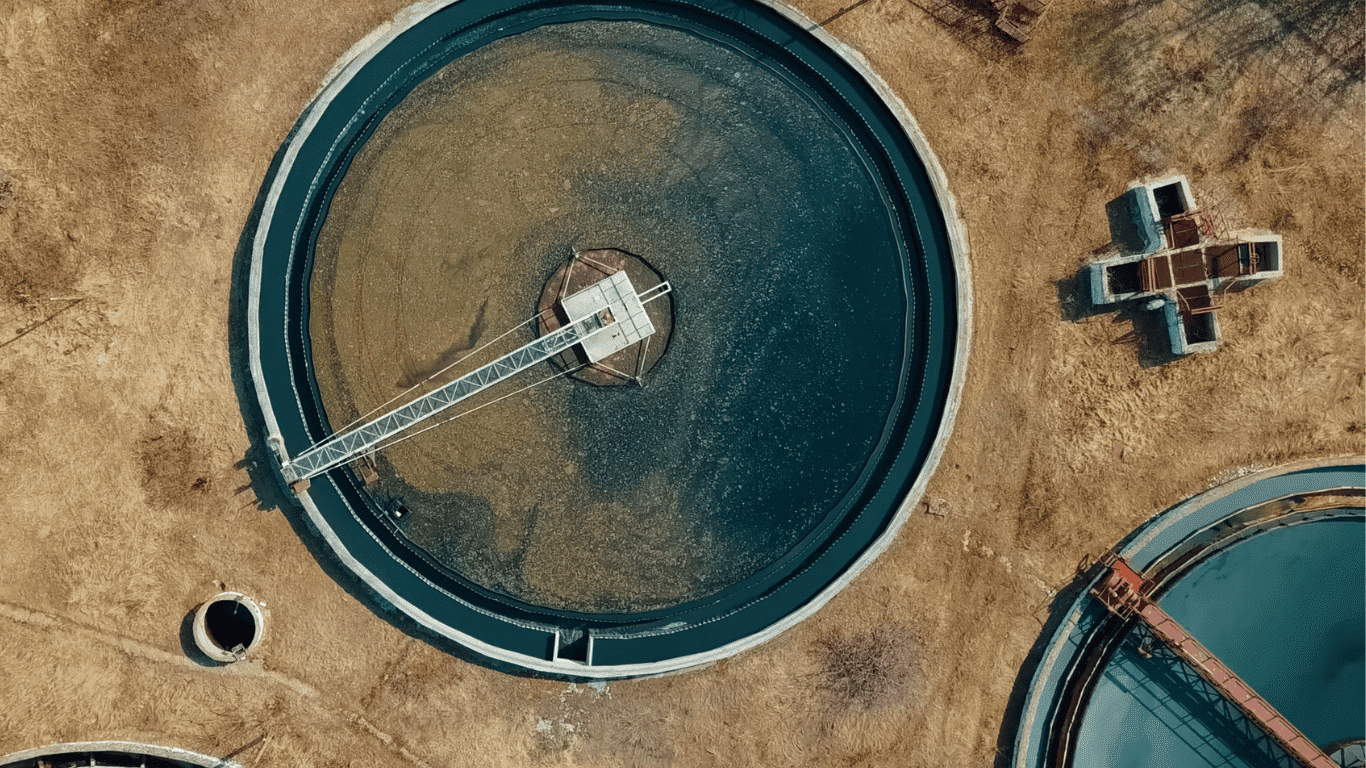
Water reliability plays a critical role in defense readiness, where even minor disruptions can affect operations and safety. Water Treatment for Defense and Military Facilities supports armed forces and government sites by ensuring consistent, high-quality water across military bases. ProChem designs and delivers integrated systems and solutions that strengthen treatment performance, safeguard infrastructure, and maintain dependable water supply. Across defense environments, we help ensure water systems remain stable, efficient, and aligned with strict operational demands.
Operational Demands Across Defense Environments
Military bases and military installations operate under demanding conditions where water supply must remain stable regardless of location or climate. The armed forces, including the army and air force, rely on consistent water treatment to support daily defense operations, training activities, and critical infrastructure. Any disruption in systems can directly affect mission success, making reliability a core requirement. As a result, water treatment must consistently meet strict compliance requirements while supporting uninterrupted water supply across diverse defense settings.
Federal agencies and government partners often coordinate with contractors to maintain and upgrade water infrastructure across military sites. These environments require high water quality standards to protect public health and ensure operational readiness. Systems must also remain resilient under variable operating conditions, from remote deployments to established bases. To support these needs, ProChem develops integrated solutions built for complex defense requirements, including advanced configurations found in our treatment systems designed for reliability and long-term performance.
Water Sources and Contamination Risks in Defense Infrastructure
Defense environments depend on highly variable water sources, which often shift between freshwater, seawater, and brackish water depending on location and mission requirements. Many military bases and naval operations face limited access to stable municipal supplies, making water sources management a critical priority. In coastal and deployed settings, desalination becomes essential to help purify seawater and convert it into safe, usable potable water. These challenges demand reliable systems that can consistently support drinking water needs, especially where infrastructure is temporary or exposed to harsh operating conditions.
Across these environments, contaminants and other harmful substances can compromise both water quality and system performance. Proper control of chlorine levels is necessary to maintain safety while preventing microbial risks. At the same time, excessive mineral content can accelerate corrosion, leading to equipment degradation and reduced system lifespan. To maintain effectiveness, military use systems rely on advanced filters and engineered treatment processes that ensure reliability, consistent performance, and long-term operational stability across defense applications.
Core Treatment Technologies Supporting Defense Systems
Reverse osmosis plays a central role in modern defense water treatment, especially where seawater must be converted into safe supply. In many military water purification systems, reverse osmosis works alongside desalination systems to reliably produce potable water in remote or coastal environments. These systems help produce potable water at scale, even under fluctuating demand, ensuring consistent potable water output for bases and deployed units. When integrated correctly, reverse osmosis enhances stability and supports continuous operation across critical defense applications.
Alongside membrane technologies, filtration systems, including media filters and multi-stage filters, help remove suspended solids and reduce contaminants that affect systems efficiency. These processes are essential for producing consistent high-quality water, including applications requiring ultrapure water standards in sensitive defense operations. ProChem integrates these solutions with engineered ion exchange stages found in our systems, ensuring stronger contaminants removal and improved system balance.
Chemical dosing also plays a key role in overall water treatment processes. Controlled use of chemicals, including chlorine dosing, supports microbial control while protecting equipment performance. When combined with real-time monitoring, analysis, and integrated systems design, treatment process efficiency improves significantly. This ensures all equipment operates reliably, maintains performance stability, and supports long-term defense water system resilience.
ProChem Engineering & Defense Water Capabilities
ProChem designs integrated systems that align with the strict demands of defense environments, focusing on end-to-end engineering, design, and development. Our approach adapts treatment systems for both remote and commercial-scale applications, ensuring seamless performance across varied operational conditions. These capabilities support a wide range of clients, including contractors working with defense programs, where reliability and precision are essential for mission-critical infrastructure.
Our services extend beyond design into full operational support, including testing, analysis, maintenance, and continuous operation support. We help ensure equipment reliability through proactive systems monitoring and performance optimization, reducing downtime and improving efficiency. Through structured water treatment services, ProChem strengthens system performance while helping operators maintain stable long-term operations across demanding environments.
Lifecycle support is central to our approach, with a strong focus on compliance, EPA-aligned standards, and certified system performance. Government and military programs rely on dependable solutions that maintain regulatory alignment and operational continuity. ProChem reinforces mission success through reliability and efficiency, supported by ongoing maintenance programs available through our operations and maintenance services, ensuring systems remain dependable throughout their lifecycle.
Implementation Approach for Military Facilities
Implementing water treatment solutions across military bases starts with a structured assessment of existing water sources and systems. ProChem supports armed forces teams through detailed testing and pilot studies that define performance requirements before full-scale deployment. This stage shapes the overall process, allowing engineers to design systems that align reverse osmosis integration with supporting filtration systems for stable and efficient output. Careful system design ensures all equipment works cohesively to meet operational demands.
Once designed, installation moves into coordinated execution across defense sites, followed by commissioning and operational startup. Ongoing operation and maintenance cycles help sustain system performance while reducing risks of unexpected downtime. Continuous monitoring supports performance optimization, ensuring all systems remain efficient under real operating conditions. ProChem’s approach prioritizes long-term reliability and strict compliance, delivering integrated solutions that support armed forces infrastructure while maintaining consistent water quality across mission-critical environments.
Strengthening Defense Water Resilience
Reliable water treatment systems are essential for sustaining operational readiness across defense environments, where performance, safety, and compliance must align at all times. Water Treatment for Defense and Military Facilities requires integrated solutions that adapt to evolving mission needs while supporting long-term infrastructure stability. ProChem continues to support defense and military operations with engineered systems designed for reliability, efficiency, and compliance. Our focus stays on strengthening mission success through dependable water performance, technical expertise, and lifecycle support.
Connect with ProChem to discuss tailored design approaches that enhance operational readiness, improve system resilience, and ensure your facility stays fully prepared for critical demands.
