
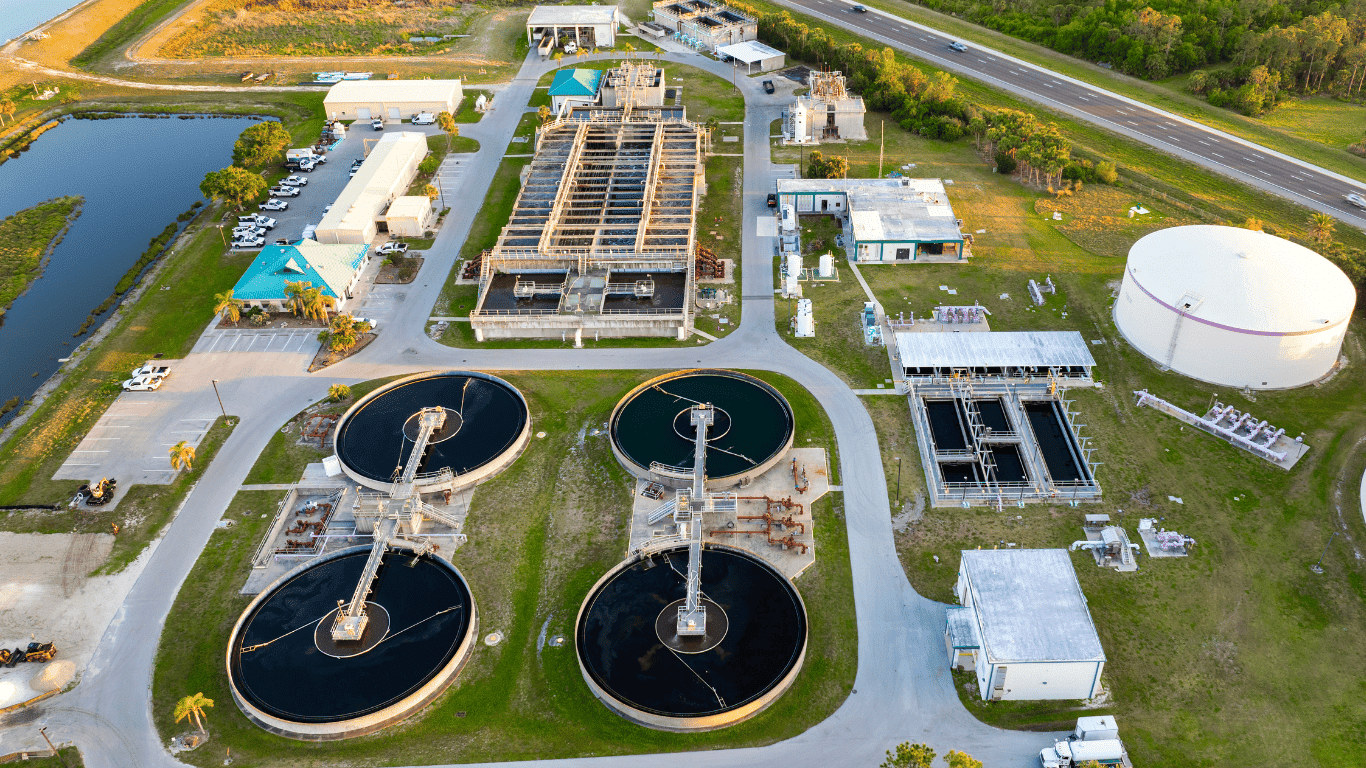
Modern facilities depend on reliable water treatment technologies to maintain safe operations and consistent water quality. Water rarely arrives at a facility in perfect condition. Natural minerals, industrial runoff, and other contaminants can affect water sources before the water ever reaches a treatment system. Teams responsible for water treatment must manage these challenges carefully to ensure clean water for operations and safe drinking water for people. Strong treatment practices protect infrastructure, support regulatory compliance, and keep contaminants from circulating through distribution systems. When facilities understand how modern technologies improve water quality, they can build more reliable systems that protect both equipment and public health.
Why Water Treatment Technologies Matter Today
Water sources continue to change as cities grow, industries expand, and climate patterns shift. Operators now face a wider range of contaminants, from natural minerals to complex industrial compounds. These challenges make modern treatment technologies essential. Facilities must protect water quality while ensuring reliable drinking water for communities and operations. Teams that invest in proven water treatment strategies can manage these risks more effectively and maintain stable, efficient systems.
Regulatory oversight also plays a major role. Agencies such as the Environmental Protection Agency set standards designed to protect clean water and public health. These regulations push municipalities and industries to adopt stronger water treatment technologies that can consistently remove contaminants and meet safety guidelines. Responsible operators treat water management as an ongoing commitment. Careful monitoring, modern equipment, and well-designed treatment programs help facilities stay compliant while protecting the water people depend on every day.
Filtration Systems and Adsorptive Media
Most water treatment systems begin with reliable filtration. Operators rely on well-designed filtration systems to separate suspended particles and start removing contaminants before the water moves deeper into the treatment process. Many facilities also use adsorptive media such as granular activated carbon, often called GAC. This material has a highly porous structure that attracts and holds organic contaminants. As water passes through the media, compounds such as volatile organic compounds and natural organic matter attach to the carbon surface instead of remaining in the water.
Operators may choose between granular activated carbon and powdered activated carbon depending on the treatment setup. GAC systems are common in continuous gac treatment applications, especially where facilities need consistent removal of dissolved contaminants. Powdered carbon often works well when operators need a flexible dosing approach. Both options help improve water quality and support reliable drinking water treatment. Teams that want a deeper understanding of filtration strategies can also explore our guide on industrial filtration solutions, which explains how modern filtration systems improve water performance across many applications.
Membrane Technologies and Reverse Osmosis
Membrane-based filtration plays an important role in modern water treatment systems, especially when facilities need to remove very small dissolved particles. Technologies such as reverse osmosis push water through specialized membranes using high pressure. These membranes have a controlled pore size that allows water molecules to pass while blocking salts, minerals, and other dissolved contaminants. As water passes through the membrane, operators separate concentrated waste from the cleaner stream that continues through the system.
Facilities often rely on reverse osmosis when they need consistent treated water for industrial operations or safe potable water for distribution. The process is widely used in manufacturing, food processing, and municipal drinking water treatment because it delivers reliable results when properly maintained. Operators who want to explore how this technology works in greater detail can review our guide to reverse osmosis water treatment systems.
Ion Exchange and Water Softening Technologies
Another widely used approach in modern water treatment systems is ion exchange. This treatment system relies on specialized synthetic resin beads that attract and hold certain dissolved ions as water flows through the unit. Operators often use ix resins designed for specific applications, allowing the system to target particular contaminants. The exchange process replaces unwanted ions in the water with more stable ones, helping facilities maintain consistent water quality.
Selective resins allow operators to address challenging contaminants such as lead, nitrate, and arsenic, which can appear in some water sources. Many facilities also rely on this technology for water softening, where the system removes hardness minerals that cause scaling and equipment wear. Teams that want to understand how ion exchange units integrate into larger treatment strategies can explore our overview of ion exchange water treatment systems here.
Advanced Oxidation and Chemical Treatment Processes
Some contaminants require stronger chemical treatment methods to break them down effectively. Advanced oxidation processes rely on controlled reactions that generate powerful oxidizing radicals capable of destroying difficult pollutants. Operators often combine hydrogen peroxide with UV light to trigger these reactions. When uv lamps deliver the correct uv dose, the process activates the peroxide and produces highly reactive molecules that attack complex compounds in the water.
These advanced oxidation methods work well for degrading synthetic organic chemicals and other persistent pollutants that traditional filtration cannot remove easily. The reaction process breaks larger molecules into smaller, less harmful substances, which helps reduce total organic carbon and improve overall water quality. Facilities often integrate this type of treatment when they need an additional barrier against stubborn organic contaminants that could otherwise remain in the system.
Integrating Technologies in a Complete Treatment System
Modern facilities rarely rely on a single method for water treatment. Most operators use a combination of water treatment technologies to handle the full spectrum of contaminants in their influent water. Multi-stage treatment processes often begin with filtration, followed by adsorptive media, membrane separation, and chemical or advanced oxidation steps. This layered approach ensures that water meets quality standards before it becomes effluent water or enters the distribution system.
Designing a full-scale treatment system requires careful planning to ensure each stage complements the others. Operators must consider the characteristics of the waste stream, the contaminants present, and the overall system goals. When done right, combining technologies creates a cost effective, reliable solution that protects infrastructure and produces high-quality treated water consistently. Facilities interested in seeing how integrated treatment systems work can learn more here.
Practical Steps for Selecting the Right Water Treatment Technologies
Choosing the right water treatment technologies starts with understanding your water quality and the specific contaminants in your system. Operators should evaluate the characteristics of their influent water, consider regulatory limits, and identify which processes will be most effective. Testing options on a case by case basis, including pilot runs or small-scale trials can show which treatment solutions are truly proven effective for your facility.
It’s also important to balance performance with cost. Facilities benefit from cost effective technologies that consistently deliver clean water while meeting regulatory acceptance standards. If your team wants guidance in designing or optimizing a water treatment system, ProChem can help tailor a solution that improves efficiency, reduces operational risk, and ensures reliable water quality.
