
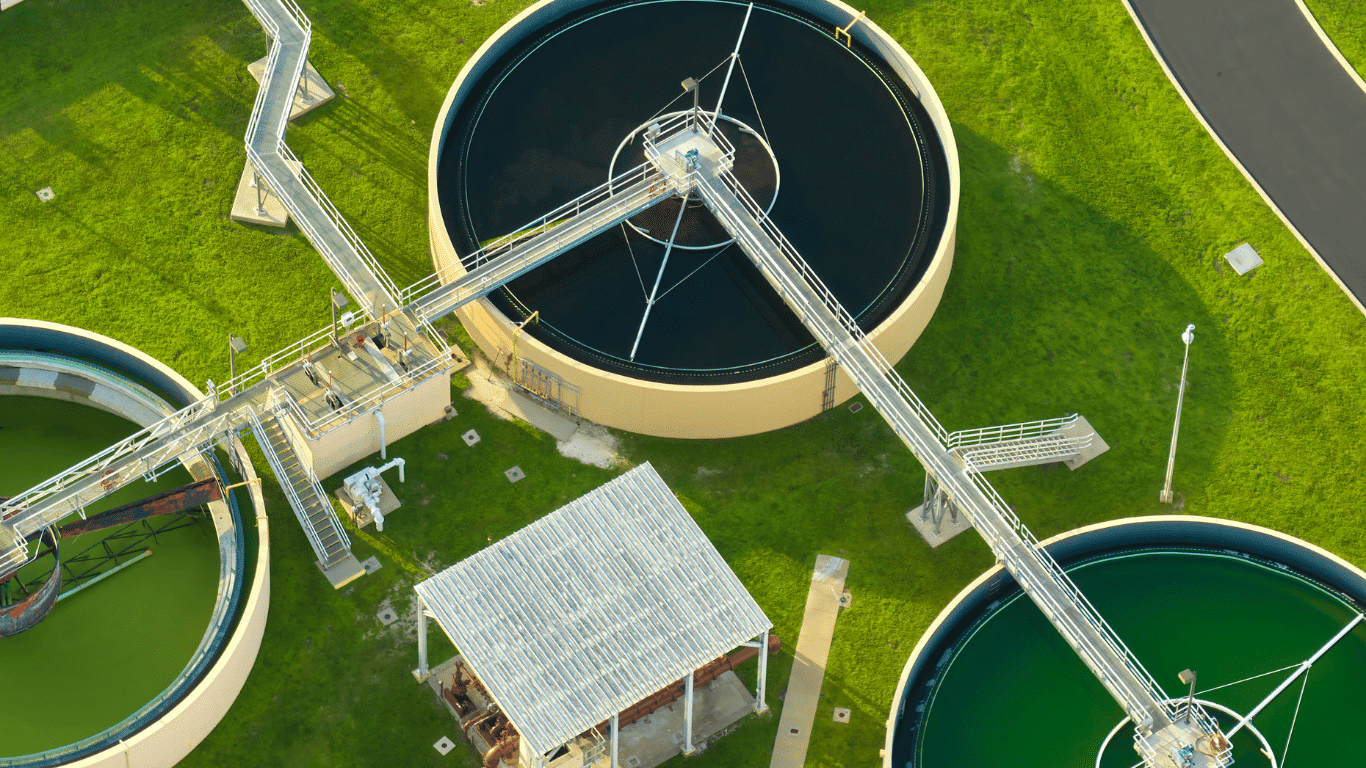
Industrial operations depend on a reliable water supply, yet growing water scarcity, rising operating costs, and stricter environmental expectations continue to challenge facilities across many industries. As a result, industrial water reuse has become an increasingly practical approach for improving water management. Instead of treating wastewater as something to dispose of, more facilities are finding ways to recover and reuse it where it makes operational sense.
Every industrial facility has different processes, water demands, and treatment requirements, so there is no one-size-fits-all solution. The key is understanding where industrial water can be reused safely and efficiently without affecting performance. In this guide, we’ll walk through how water reuse works, the technologies that make it possible, and the practical considerations that help facilities build a more sustainable operation.
What Is Industrial Water Reuse?
Industrial water reuse means collecting water that has already been used in an industrial facility, treating it to the appropriate standard, and using it again for another process instead of discharging it. This approach helps facilities reduce freshwater demand while making better use of the water already available onsite. Depending on the application, the treated water may return to the same operation or support another part of the plant where high-quality potable water is not required. In many cases, industrial wastewater reuse becomes a practical strategy for lowering operating costs and improving overall water efficiency.
Although people often use the terms interchangeably, water reuse, water recycling, and water reclamation have slightly different meanings. Water reuse focuses on using treated water again for a beneficial purpose. Water recycling generally refers to treating water within a continuous loop so it can serve the same or a different function multiple times. Meanwhile, reclaimed water is wastewater that has been treated to meet specific quality requirements before being reused. Understanding these distinctions helps operators choose the right approach based on their facility’s goals and the quality of water each application requires.
The water used for wastewater reuse can come from many sources, including process water, rinse water, cooling systems, equipment washdown, or other streams generated during industrial processes. Some facilities also supplement their supply with recycled water produced from municipal treatment systems when local regulations allow. Before any water is reused, it must pass through the appropriate treatment steps to ensure it meets the quality requirements of its intended application. This careful approach allows facilities to recover valuable water resources while maintaining reliable and efficient operations.
Where Facilities Can Reuse Water
Many facilities have more opportunities for reuse than they initially realize. Depending on the operation, treated water can supply cooling towers, boiler systems, equipment washdown, and other non-potable uses throughout the plant. Some organizations even reuse water for landscape irrigation or dust control, reducing the demand on fresh water sources. Looking closely at daily operations often reveals several areas where water can be used more efficiently without disrupting the production process.
One important point to remember is that not every application requires drinking water quality. For many industrial applications, the required water quality depends on how the water will be used, not simply where it comes from. For example, properly treated water may perform well as cooling water or wash water, while higher-purity treatment may only be necessary for sensitive manufacturing processes. Matching treatment to the intended use helps facilities improve efficiency without investing in unnecessary treatment.
Many reuse programs recover water from internal wastewater streams, while others incorporate treated municipal wastewater or municipal wastewater that has received additional treatment to meet local requirements. Some facilities return treated water to the same facility, creating a closed reuse loop that reduces freshwater demand and wastewater discharge. Every industrial facility has unique operating conditions, so the most effective reuse strategy starts with understanding where water is used, how it flows through the plant, and which applications offer the greatest opportunity for long-term savings.
Technologies That Make Water Reuse Possible
Successful water reuse starts with choosing the right treatment technologies for the job. No single solution works for every facility because every water source contains different contaminants and supports a different process. Some applications only need basic filtration to remove suspended solids, while others require advanced treatment to meet stricter water quality goals. Selecting the right approach begins with understanding the incoming water, the intended reuse application, and the facility’s water chemistry.
Many reuse systems combine multiple stages of treatment to produce reliable results. Filtration removes larger particles before membrane systems capture finer contaminants, while reverse osmosis can reduce dissolved minerals, salts, and other impurities that affect performance. Biological treatment processes help break down organic matter, and polishing steps provide additional treatment when higher water quality is needed. Facilities dealing with contaminants such as heavy metals may also require specialized equipment to meet operational or regulatory requirements. If you’d like to learn more about membrane solutions, explore our membrane filtration systems.
Even the most advanced wastewater treatment system performs best when paired with consistent monitoring. Operators should regularly track water quality parameters, inspect treatment equipment, and verify that each stage continues operating as designed. Small changes in source water or production demands can affect treatment performance over time, so routine monitoring makes it easier to adjust the system before problems develop. With the right combination of technologies, ongoing maintenance, and careful oversight, facilities can build a reliable reuse program that supports long-term operational goals.
Benefits and Challenges of Industrial Water Reuse
One of the biggest benefits of industrial water reuse is the ability to reduce a facility’s water footprint without sacrificing productivity. Reusing water lowers freshwater demand, reduces discharge, and helps control operating costs over time. It can also improve operational efficiency by creating a more dependable water supply, especially in areas where water availability is becoming less predictable. As more facilities invest in recycling and smarter water management, reuse continues to prove its value across a wide range of industrial operations.
At the same time, successful reuse depends on careful planning and ongoing oversight. Every process has different water quality requirements, so treatment systems must consistently deliver water that matches the intended application. Regular monitoring, preventive maintenance, and routine testing help maintain reliable performance while supporting regulatory compliance and environmental compliance. These practices also strengthen environmental protection efforts by reducing unnecessary wastewater discharge and making better use of available water resources.
Facilities should also recognize that every reuse program comes with its own challenges. Local regulations, changing production demands, and shifting source water conditions can all influence treatment performance. Many reuse projects benefit from advanced technologies that maintain consistent water quality under varying conditions. For facilities evaluating membrane-based solutions, our guide to industrial reverse osmosis systems explains how these systems support reliable treatment for demanding industrial applications. Taking time to evaluate these factors early helps facilities minimize liquid discharge, improve long-term reliability, and maximize the return on their water reuse investment.
Planning an Effective Water Reuse Program
An effective water reuse program begins with understanding how water moves through your plant. Start by evaluating your wastewater streams, identifying where water is used, where it is discharged, and which onsite processes could benefit from treated water instead of freshwater. This assessment helps uncover practical reuse opportunities while highlighting areas with the greatest potential to reduce water usage. For many facilities, a thorough water balance provides the foundation for selecting the right treatment strategy.
Next, test the water before choosing any treatment solution. Water quality data helps determine which technologies will achieve the desired results without overdesigning the system. The right approach can vary widely across industries. For example, data centers often prioritize cooling reliability, paper manufacturing focuses on recovering large volumes of process water, oil and gas production facilities may require specialized treatment for complex wastewater, and power generation plants frequently look for ways to reduce makeup water demand. If you’d like to explore different reuse approaches, our guide to water recycling systems explains how these solutions support long-term water efficiency.
Finally, continue monitoring the system after it is installed. Water quality, production demands, and operating conditions change over time, so routine testing and system adjustments help keep reuse programs performing as intended. Some organizations may even pursue zero liquid discharge when regulations, sustainability goals, or water availability make maximum water recovery a priority. Every facility has different requirements, so decision makers should treat water reuse as an ongoing improvement process rather than a one-time project.
Building a Sustainable Water Strategy
Every plant operates differently, so the most effective industrial water reuse program is the one that fits your specific operations, water quality requirements, and long-term goals. Some facilities begin with a single reuse application, while others gradually expand their program as they gain operational experience and identify new opportunities. Taking a step-by-step approach makes it easier to optimize industrial water use, improve water management, and confirm that every treatment decision supports reliable performance over time.
Considering industrial water reuse? Start with a thorough evaluation of your existing system before investing in new equipment or processes. A clear understanding of your water demands, treatment requirements, and operational priorities will help you build a solution that delivers lasting value. Our team at ProChem can help assess your facility, identify practical reuse opportunities, and recommend treatment strategies that improve efficiency, support regulatory goals, and make better use of your water resources for years to come.
