
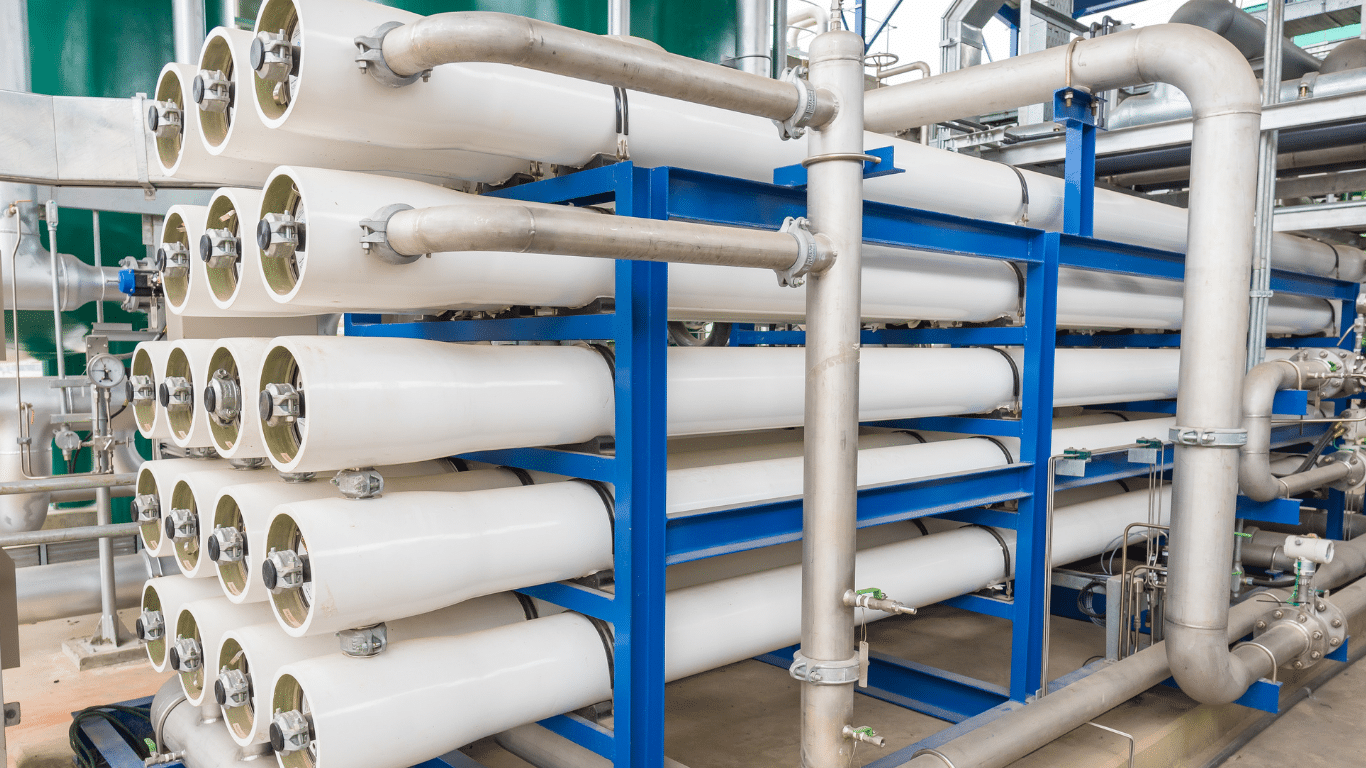
A reverse osmosis skid gives facilities a more compact and organized way to manage industrial water treatment. Instead of assembling equipment piece by piece on-site, operators use skid mounted RO skids that arrive as an integrated system designed to support stable flow, consistent pressure, and reliable water quality. Many facilities choose a reverse osmosis skid because it simplifies installation, improves operational efficiency, and helps maintain dependable reverse osmosis performance across changing production demands.
What Is a Reverse Osmosis Skid?
An osmosis skid is a skid mounted treatment platform that brings the major parts of an RO system together into one organized assembly. Instead of installing separate equipment across different areas of a facility, operators receive a packaged reverse osmosis setup that is already aligned for easier installation and startup. Most systems are pre wired and arranged to support smoother integration with existing plant utilities, controls, and piping connections. This approach helps reduce field assembly issues while giving teams a cleaner and more manageable layout.
The primary components on a reverse osmosis system skid typically work together to manage feed water quality, system flow, and operating pressure. Facilities often choose this design because it simplifies maintenance access and improves operational consistency over time. A properly configured skid also makes future expansion easier, especially for plants expecting production changes or higher water demand later on. From an operations perspective, teams usually spend less time troubleshooting installation problems and more time focusing on stable system performance.
How Reverse Osmosis Skids Work
A reverse osmosis RO process starts when feed water enters the skid and moves through the treatment stages under controlled pressure and flow rates. The system pushes water across a semipermeable membrane designed to separate contaminants from the usable water stream. To make this happen, the RO system must generate enough pressure to overcome osmotic pressure, which naturally resists the movement of water through the membrane. Once the correct operating conditions are reached, water passes through the membrane while many unwanted materials remain behind and move toward the reject stream.
Modern reverse osmosis membranes and RO membranes remove a wide range of dissolved solids, dissolved salts, and other contaminants that affect water quality. The result is purified water suitable for many industrial and commercial applications. Operators often monitor pressure and flow closely because even small operating changes can affect membrane performance and production consistency over time. Facilities managing larger treatment demands often use modular skid systems alongside larger commercial reverse osmosis systems to maintain stable output across different operating conditions.
As operating conditions change, teams should continue reviewing feed water quality and membrane performance regularly. Small shifts in incoming water chemistry can gradually affect recovery, efficiency, and long-term membrane condition if left unaddressed.
Main Components That Affect Performance
Several components inside an RO skid directly influence water quality, operating stability, and long-term system performance. High pressure pumps play one of the biggest roles because they generate the force needed to maintain proper flow across the membranes. Operators should also pay close attention to pressure gauges and pressure relief valves during daily checks. Sudden pressure swings often signal developing fouling issues, flow restrictions, or changes in incoming water conditions. Early detection helps teams correct problems before they affect production or damage equipment.
Pretreatment equipment also has a major impact on membrane life and overall efficiency. A multi media filter helps reduce suspended particles before water enters the RO stage, while a water softener can minimize hardness buildup that contributes to scaling. Many facilities also use chemical dosing to stabilize feed water conditions and support more reliable operation. These steps protect the membranes and improve consistent water quality throughout the treatment process.
Teams should also monitor supporting equipment such as storage tanks, UV disinfection systems, and temperature monitoring instruments. Temperature changes can affect membrane production rates and operating pressure more than many operators expect. Consistent monitoring gives facilities a clearer picture of system health and helps maintain stable operation during changing production demands.
Efficiency, Recovery, and Operating Costs
Operators often focus heavily on production capacity, but long-term efficiency depends on how well the RO skid manages pressure, recovery, and membrane condition over time. Recovery rate plays a major role because it determines how much usable water the system produces compared to the amount sent to drain. Higher recovery can improve efficiency, although pushing recovery too aggressively may increase scaling and membrane fouling risks. Teams should balance production goals with stable operating conditions to maintain optimal performance and avoid unnecessary strain on the system.
Energy use also affects operational costs more than many facilities expect. High operating pressure increases energy consumption, especially during continuous operation in larger plants. Some facilities install energy recovery devices to improve energy efficiency and reduce overall utility demand. Operators should also watch for pressure drop across the system because rising differential pressure often signals fouling or flow restrictions developing inside the membranes.
Routine cleaning and inspections help control maintenance costs while improving efficiency across the entire RO process. Facilities that delay membrane service usually experience reduced production, unstable water quality, and shorter membrane life. Regular monitoring and scheduled maintenance support more reliable operation and help teams avoid emergency shutdowns. If you want a deeper look at membrane maintenance planning, this guide on reverse osmosis membrane replacement explains the warning signs operators should watch closely.
Applications Across Industries
RO skids support a wide range of industrial applications because many facilities need dependable water quality for production, sanitation, cooling, or process operations. Reverse osmosis plants are commonly used in food processing, manufacturing, healthcare, electronics, and commercial utility systems where high quality water directly affects product consistency and equipment reliability. Some facilities also use osmosis systems to support drinking water production or process reuse programs that require lower dissolved contaminant levels.
Modular skid systems give operators more flexibility as production demands change over time. Instead of redesigning an entire treatment setup, teams can often expand capacity by adding another RO unit or upgrading portions of the system. This approach helps facilities maintain stable output while adapting to changing flow demands, operating schedules, or incoming water conditions. Many operators prefer modular layouts because they simplify maintenance access and make long-term planning more manageable.
System Design, Automation, and Long-Term Reliability
Strong system design makes a major difference in how reliably an RO skid performs over time. A carefully designed setup accounts for numerous factors including incoming water conditions, required flow capacity, operating pressure, and future production demands. Operators who plan for these variables early usually experience fewer performance disruptions later. Reliable layouts also improve proper functioning during changing operating conditions and help facilities maintain more efficient operation across the entire treatment process.
Automation plays an increasingly important role in maintaining long-term stability. Modern control systems can track TDS levels, pressure changes, and flow conditions in real time, allowing operators to respond faster when operating conditions shift. Better monitoring also supports informed decisions about cleaning schedules, membrane performance, and operating adjustments before problems become more serious.
Facilities focused on minimizing downtime often combine automation with strong operator training programs. Even advanced systems still depend on operators recognizing early warning signs and responding appropriately. Teams that understand system trends usually catch developing issues sooner and maintain more stable performance over time. For additional insight into integrated monitoring and operational planning, explore our guide on water engineering.
Planning the Right Water Treatment Strategy
Choosing the right RO skid setup starts with understanding the condition of the feed water, long-term production goals, and overall water quality requirements. Different facilities face different operating challenges, so there is rarely a one-size-fits-all approach. Reverse osmosis technology performs best when teams evaluate flow demands, contaminant levels, and operational expectations early in the planning process. Strong preparation also supports smoother system startup and more reliable continuous operation over time. As water treatment technologies continue evolving, facilities are placing greater focus on system flexibility, efficiency, and long-term reliability.
Facilities aiming to produce clean water while reducing harmful contaminants should work with experienced water treatment specialists who understand both system operation and long-term maintenance planning. ProChem helps facilities evaluate treatment goals, operational conditions, and membrane system requirements to support more reliable performance from day one. If you want a closer look at membrane-based treatment solutions, explore our membrane filtration systems and discuss the right strategy for your facility with our team.
Next Steps
A well-designed reverse osmosis skid helps facilities improve water treatment consistency, maintain stable water quality, and operate with better long-term efficiency. As production demands and water conditions change, properly configured RO skids give operators more control over performance, maintenance planning, and system reliability.
Evaluating upgrades, expansion plans, or new treatment strategies? ProChem can help you build a solution that supports dependable operation and long-term process goals with confidence.
Frequently Asked Questions (FAQ)
How do RO skids handle changing feed water conditions?
RO skids adjust to changing feed water conditions through pressure controls, monitoring instruments, and pretreatment processes that help stabilize water quality. Operators often track TDS levels, flow rates, and contaminant loading closely because sudden changes can affect membrane performance and production consistency.
Why is membrane fouling a concern in reverse osmosis systems?
Membrane fouling reduces system efficiency and increases operational costs over time. As deposits build up on RO membranes, operators may notice rising pressure drop, lower production rates, and declining water quality.
Regular inspections, cleaning schedules, and proper chemical dosing help control fouling before it becomes a larger maintenance issue.
Do reverse osmosis skids require post-treatment equipment?
Many facilities add post treatment equipment depending on the final water quality goals. Some systems include UV disinfection for microbial control, while others use ion exchange polishing to support drinking water applications or produce higher quality water for industrial processes.
What helps reduce downtime in RO plants?
Facilities focused on minimizing downtime usually combine preventive maintenance with strong operator training and consistent system monitoring. Teams that respond quickly to pressure changes, flow restrictions, or membrane issues often maintain more efficient operation and support reliable continuous operation while controlling maintenance costs.
Can RO skids support water reuse programs?
Yes. Many reverse osmosis plants use RO skids as part of broader water reuse strategies. These systems help facilities recover purified water for secondary applications, reduce discharge volumes, and improve overall efficiency while supporting long-term clean water goals.
