
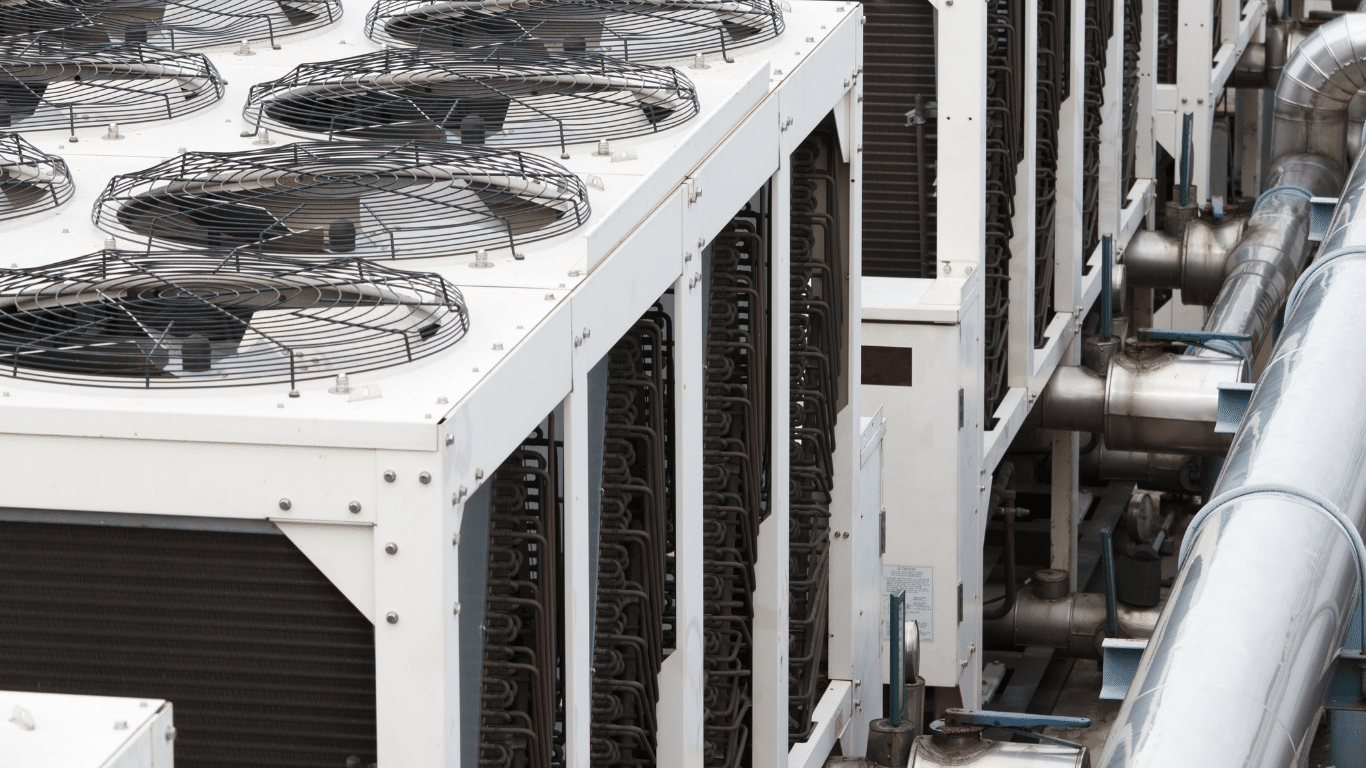
Cooling towers play a critical role in removing excess heat from processes and equipment. These cooling towers rely on continuous circulation of cooling water to maintain stable operating conditions across different cooling systems, especially in facilities where heat loads are consistently high. When everything runs smoothly, it is easy to overlook how sensitive the entire system is to water quality and internal balance.
This is where cooling tower filtration becomes essential. Filtration helps maintain system stability by controlling what enters and circulates within the cooling water loop. Without proper filtration, even small amounts of debris, suspended solids, or airborne contaminants can gradually disrupt performance and reduce reliability.
As we move deeper into this discussion, it becomes clear that filtration is not just a support function. It directly affects efficiency, maintenance frequency, and overall water quality inside cooling towers, making it a key factor in keeping industrial cooling systems operating at their best.
Why Filtration Matters in Cooling Tower Performance
Cooling tower water is constantly exposed to the surrounding environment. Outside air carries dust, airborne contaminants, and fine particles that easily enter the system as water circulates through cooling towers. Over time, these suspended solids accumulate and circulate within the cooling tower water, gradually stressing the entire system. Without a properly designed filtration system, these contaminants do not just stay harmlessly suspended; they begin to settle, build up, and interfere with normal flow conditions.
As buildup continues, operators often notice a decline in heat transfer efficiency, especially in critical components like heat exchangers. Even a thin layer of particles on heat exchange surfaces can reduce efficiency and force the system to work harder than necessary. This leads to higher energy use, inconsistent cooling performance, and early wear on equipment. In many cases, these issues show up gradually, such as fluctuating temperatures, reduced system response, or visible fouling inside cooling equipment. That is why consistent filtration plays a direct role in protecting performance and avoiding unnecessary strain on cooling systems.
For a closer look at how integrated treatment approaches support system stability, you can explore our overview of water treatment systems here.
How Cooling Tower Filtration Works
Inside most cooling tower systems, water filtration starts with a continuous circulation loop where cooling tower water is drawn, treated, and returned to service. As water moves through the system, it carries particles that vary in size and composition, which makes filtration a critical step in maintaining stable operation. The process is designed around controlled flow, allowing contaminants to be captured before they settle or disrupt equipment performance. In well-designed setups, operators rely on structured filtration technology that balances efficiency with consistent water movement.
A key part of this process is side stream filtration, where only a portion of the circulating water is filtered at any given time. This approach allows continuous removal of fine contaminants without interrupting system operation. Depending on the setup, facilities may use sand filters, automatic screen filters, or centrifugal separators to handle different particle loads and sizes. Each method supports specific filtration degrees, helping maintain the right flow capacity while protecting system stability. When properly managed, this combination ensures smoother operation and reduces strain across the entire cooling infrastructure.
Side Stream Filtration & System Optimization
Operators don’t filter 100% of the circulating water at once. Instead, they rely on side stream filtration, where a controlled portion of the flow is continuously diverted through side stream filters before re-entering the main loop. This approach keeps the system stable while ensuring that contaminants are constantly removed without disrupting operations. In practice, it allows the tower systems to run continuously while still managing filtration in a controlled, efficient way.
The real advantage of this setup is how it manages biological growth and fine particulate buildup before they become larger problems. By continuously removing contaminants, side stream systems help reduce fouling, improve water clarity, and extend equipment life across the entire cooling infrastructure. Operators often notice fewer breakdowns, more stable performance, and reduced maintenance demands over time. In well-optimized cooling systems, this balance between flow management and targeted filtration plays a major role in sustaining long-term reliability.
Filtration Technologies Used in Cooling Towers
Different industrial setups rely on a mix of filtration technology to keep cooling systems stable and efficient, especially when handling varying loads of contaminants in cooling tower water. Common solutions include sand media filters, disc filters, and systems that use centrifugal force to separate heavier particles from the flow. Each approach handles particles differently, depending on size, density, and concentration, allowing operators to match the right system design with actual operating conditions. Over time, filter cake can build up on media surfaces, which improves fine filtration but also requires proper maintenance cycles to avoid flow restriction.
The challenge is always balancing high efficiency filtration with stable flow rate and controlled energy consumption. If the system becomes too restrictive, circulation drops and performance suffers; if it is too open, contaminants pass through and reduce reliability. This balance is why proper selection and tuning of filtration equipment matters so much in industrial cooling operations. To better understand how these systems integrate with overall infrastructure, you can explore cooling tower components here.
Integrated Water Treatment Approach
In real-world operations, cooling tower water performance depends on more than just filtration alone. Facilities achieve stable results when filtration works hand in hand with a structured water treatment program, especially when managing scale, corrosion, and contaminants that circulate within the system. This combined approach ensures that both physical impurities and dissolved issues are addressed consistently, helping maintain overall system balance and reliability.
At the same time, chemical treatment plays a key role in controlling bacterial growth and limiting unwanted biological activity that can develop in warm, recirculating environments. Without this balance, even a well-designed filtration setup can struggle to maintain long-term efficiency. That is why operators need consistent monitoring of water conditions, ensuring the system responds early to changes before they escalate into performance issues or unplanned downtime.
ProChem Insight & System Support
In practice, no two cooling tower filtration setups perform the same way, which is why tailored design and system understanding matter from the start. Different cooling equipment configurations, loads, and environmental conditions require a filtration system that matches actual operating demands rather than a one-size-fits-all approach. When engineers closely monitor flow, particle loading, and overall system performance, they can fine-tune operations to maintain consistent efficiency and avoid unnecessary strain on downstream components.
From experience, we often see that integrated water treatment strategies deliver the most reliable results, especially when filtration is aligned with chemical control and routine maintenance practices. This combination supports high efficiency operation while reducing unexpected downtime and protecting long-term asset performance. To explore how these solutions come together in real applications, you can review our filtration and system solutions here.
Next Steps
Strong cooling tower filtration is one of those fundamentals that quietly defines how well an entire system performs over time. When filtration is properly designed and consistently maintained, it helps stabilize efficiency, protects critical components, and keeps cooling operations running without unnecessary interruptions. On the other hand, when filtration is overlooked, maintenance demands rise, performance drops, and small issues can quickly turn into costly downtime.
For most facilities, the real goal is simple: keep cooling operations reliable while controlling operating costs and extending equipment life. A well-structured filtration approach helps reduce strain on cooling infrastructure and supports long-term performance stability. If your system is showing signs of inefficiency or inconsistent water quality, it may be time to reassess your strategy. Our team can help you evaluate your setup and design a more effective approach to decrease operating costs while maintaining consistent system performance.
