
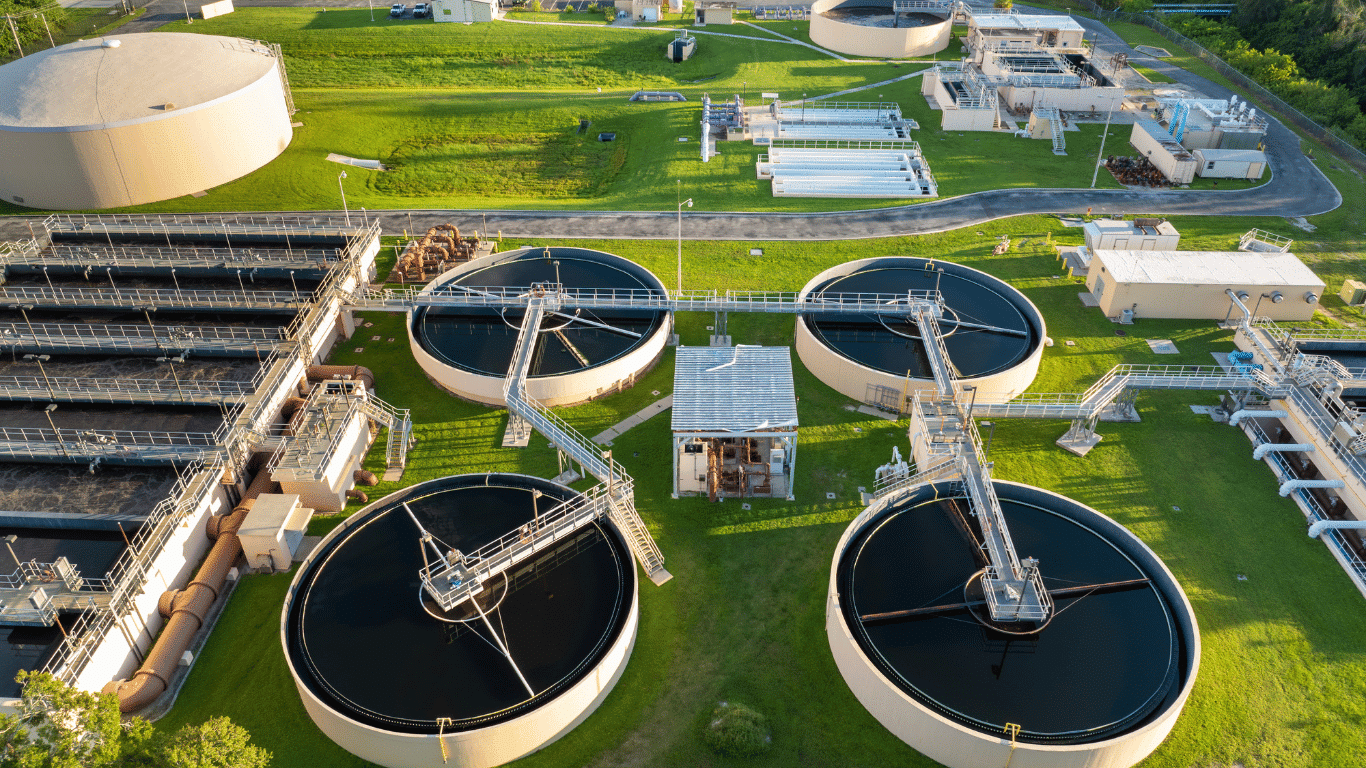
Water is one of the most important resources any facility depends on, yet it is becoming more challenging to manage. Rising operating costs, growing environmental expectations, and changing weather patterns continue to pressure organizations to use water resources more responsibly. As a result, water treatment is no longer just about meeting quality standards. It is also about improving sustainability while supporting reliable day-to-day operations.
Sustainable water treatment helps facilities balance performance with responsible resource use. It focuses on protecting the environment, improving efficiency, and making better use of available water without compromising system reliability. Throughout this guide, we’ll walk through the strategies, technologies, and practical considerations that help industrial and commercial facilities build a more sustainable approach to water management.
What Is Sustainable Water Treatment?
Sustainable water treatment is the practice of treating water in ways that protect natural resources while maintaining reliable system performance. Instead of focusing only on regulatory compliance, it considers the entire lifecycle of water, from sourcing and treatment to reuse and discharge. The goal is to deliver consistent water quality while reducing waste, conserving energy, and supporting long-term sustainability.
A strong sustainable water treatment program combines efficient water treatment processes, responsible chemical management, and technologies that reduce unnecessary resource use. Many facilities also incorporate sustainable water management strategies, such as recycling process water, optimizing system performance, and selecting equipment that requires less energy and fewer consumables. These improvements help produce clean water while using fewer resources throughout the treatment process.
The biggest difference between traditional approaches and sustainable treatment is the broader perspective. Instead of solving one water quality issue at a time, sustainable programs evaluate how every decision affects operating efficiency, costs, and the facility’s environmental footprint. Looking at the entire system allows organizations to improve performance today while building a more resilient operation for the future.
Why Sustainability Is Changing Water Treatment
Growing concerns about climate change, tighter environmental regulations, and rising utility costs have changed the way facilities think about water treatment. Instead of treating water as a single-use utility, many organizations now recognize it as a shared resource that deserves careful management. This shift encourages a more sustainable water strategy that improves every treatment process, from intake and production to wastewater management and water reuse. If you’d like a closer look at how modern treatment methods have evolved, our guide to water treatment technologies explains the systems that help facilities improve performance while reducing waste.
Another major driver is resource conservation. Every gallon of water, every kilowatt of electricity, and every treatment chemical carries both a financial and environmental cost. Improving energy efficiency through smarter controls, optimized chemical programs, and efficient equipment helps facilities reduce energy consumption while maintaining reliable operation. These improvements often lower operating expenses at the same time, making sustainability a practical business decision instead of just an environmental initiative.
Looking beyond today’s operations also helps organizations prepare for a more sustainable future. Facilities that reduce their environmental impact, improve water efficiency, and recover valuable resources are often better positioned to meet future demands and adapt to changing conditions. Sustainable water management is no longer just about compliance. It is about building resilient operations that protect both business performance and the environment for years to come.
Core Strategies That Make Water Treatment More Sustainable
There is no single solution for sustainable water treatment. The most successful programs combine multiple strategies that improve efficiency while protecting water quality. One of the most effective approaches is water reuse, where treated process water is recycled for applications such as cooling, cleaning, or other non-potable uses. This reduces demand for fresh drinking water, lowers wastewater discharge, and helps facilities make better use of available resources. If you’re considering a reuse program, our guide to water recycling systems explains how these systems support long-term water conservation and operational efficiency.
Treatment technologies also continue to evolve. Membrane filtration removes fine particles, dissolved solids, and other contaminants with high efficiency while reducing water losses. For more complex water quality challenges, advanced oxidation processes break down difficult organic compounds that conventional methods often leave behind. Many facilities also rely on biological processes during wastewater treatment to naturally remove pollutants before water is discharged or reused. Selecting the right combination of treatment technologies depends on the facility’s water quality goals, operating conditions, and long-term sustainability objectives.
Technology plays an equally important role in improving system performance. Modern automation, real-time monitoring, and other innovative technologies help operators optimize chemical dosing, identify inefficiencies earlier, and adjust system performance as conditions change. Some facilities are even integrating renewable energy sources into treatment operations to offset electricity demands and further reduce operating costs. When these improvements work together, sustainable water treatment becomes more than an environmental initiative. It becomes a practical strategy for improving reliability, reducing resource consumption, and preparing facilities for future water management challenges.
Improving Efficiency in Industrial and Commercial Facilities
Every facility has different water demands, but the goal remains the same: use water, energy, and chemicals as efficiently as possible. For industrial and commercial buildings, improving sustainable water management often starts with understanding where water is consumed and where unnecessary losses occur. Systems such as cooling towers, boilers, and process equipment offer significant opportunities to reduce waste while maintaining reliable performance. Small operational improvements made consistently often have a greater impact than major upgrades completed only once.
Equipment optimization also plays a major role. Automated chemical feed systems help maintain consistent water chemistry without overfeeding treatment chemicals, while properly adjusted blowdown valves prevent excessive water loss from cooling systems. These improvements reduce energy use, extend equipment life, and help control operating costs without sacrificing water quality. For facilities looking to modernize their treatment approach, our Water Treatment Solutions & Features page highlights technologies that improve efficiency across a wide range of industrial applications.
The most efficient facilities treat water management as an ongoing process instead of a one-time project. Regular performance reviews, routine system inspections, and data-driven adjustments help operators identify opportunities for continuous improvement. This proactive approach allows both industrial and commercial buildings and commercial buildings to reduce operating expenses, improve system reliability, and strengthen their long-term sustainability efforts while making better use of every gallon of water.
Looking Beyond Compliance Toward Long-Term Resource Management
Meeting regulatory requirements is essential, but strong sustainable water management goes a step further. It encourages facilities to look at how water moves through the entire operation and identify opportunities to improve efficiency at every stage. Instead of focusing only on discharge limits or permit requirements, operators can adopt sustainable water management practices that reduce waste, improve system performance, and support long-term resource conservation.
A broader approach also recognizes that every part of the sustainable water cycle is connected. Water withdrawn today may become process water, treated effluent, or a valuable source for reuse tomorrow. Many treatment plants and wastewater treatment plants are already recovering water and other resources instead of treating them as waste streams. These efforts help facilities conserve water resources, reduce environmental pressures, and build more resilient operations without compromising performance.
Ultimately, effective water management supports more than operational goals. It contributes to human health, strengthens environmental stewardship, and aligns with broader sustainable development goals that encourage responsible resource use for future generations. Facilities that think beyond compliance are often better prepared for changing regulations, growing water demands, and the long-term challenges facing both industry and the communities they serve.
Building a Smarter Water Management Strategy
Every facility has unique operating conditions, water quality challenges, and production goals. That is why there is no one-size-fits-all approach to sustainable water treatment. The most effective programs begin with a thorough evaluation of your existing operation, then combine the right water treatment systems, treatment methods, and water treatment products to improve performance without wasting valuable resources. A strategy built around your facility’s actual needs is far more efficient than relying on standard solutions.
Successful water programs also continue to evolve. As production demands change or regulations become more stringent, facilities should review system performance, monitor water quality, and identify opportunities to improve efficiency. Investing in sustainable water treatment solutions helps reduce operating costs, strengthen sustainability, and ensure compliance while supporting reliable day-to-day operation across a wide range of water treatment facilities.
Building a stronger water management strategy starts with understanding where your greatest opportunities lie. Whether you’re upgrading equipment, improving water reuse, or optimizing an existing treatment program, having the right technical guidance makes every improvement more effective. Planning your next step? Talk to us. Our ProChem team can help evaluate your system, recommend practical solutions, and develop a treatment strategy that supports long-term efficiency, reliability, and sustainable performance.
