
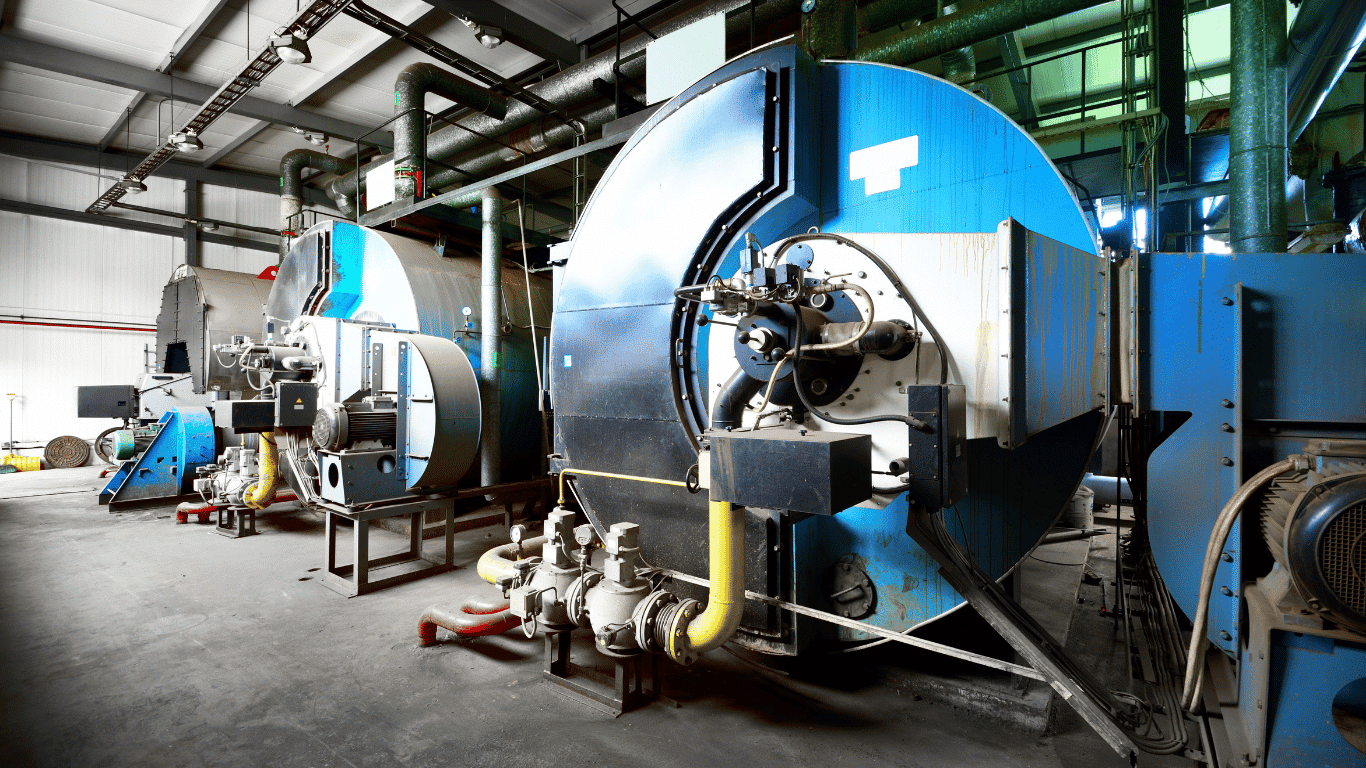
A boiler depends on more than heat, pressure, and fuel to operate properly. The quality of the water inside the system also plays a major role in efficiency, reliability, and equipment life. A routine boiler water test gives operators a practical way to see what is happening inside the boiler before small chemistry problems turn into scale, corrosion, or costly maintenance.
The important point is consistency. Boiler water conditions can change as makeup water enters, steam leaves, chemicals react, and contaminants concentrate. Regular testing gives your team the data needed to make informed adjustments and keep the system operating within its intended range.
Why Boiler Water Quality Matters
Water may look clean and still contain minerals, dissolved gases, and other impurities that create problems inside a boiler. Calcium and magnesium can form hard deposits on heat-transfer surfaces, while dissolved oxygen can contribute to aggressive corrosion. Excess dissolved solids can also contribute to foaming and carryover, which can affect steam quality and downstream equipment.
For industrial boilers, these problems can become expensive quickly. Scale acts as an insulating layer, forcing the boiler to work harder to transfer heat. Corrosion gradually attacks metal surfaces and can eventually contribute to leaks or equipment failure. Good boiler water quality testing helps operators identify these conditions early and determine which part of the water treatment program needs attention.
The goal is not simply to make the water “clean.” Your treatment approach needs to match the boiler design, operating pressure, feed water quality, and production requirements. That is why operators should treat test results as operating information, not just numbers on a report.
Key Parameters to Check in Boiler Water
A reliable boiler water test usually looks at several chemistry indicators rather than one measurement. Each parameter tells you something different about the condition of the system, and the results become more useful when you review them together.
pH
pH helps indicate whether boiler water has the chemistry needed to protect metal surfaces. Boiler water generally needs an alkaline environment, although the exact target depends on the boiler design and treatment program. Many operating programs maintain boiler water pH in an alkaline range around 10.5 to 11.5.
If pH falls too low, acidic conditions can increase the risk of corrosion. Excessively high pH can also create problems, so operators should avoid making large adjustments based on one reading alone. Compare the result with the established operating range for the specific boiler and treatment program.
Conductivity and Dissolved Solids
Conductivity provides a quick indication of the concentration of ions in the water. It often helps operators monitor changes in dissolved solids as water cycles through the boiler.
Dissolved solids become increasingly important as water evaporates to produce steam. The minerals and impurities remain behind, so their concentration can rise unless operators control the chemistry through blowdown and appropriate feed water treatment. High levels can contribute to foaming, carryover, and scale formation.
Teams can also review total dissolved solids, or TDS, as part of their monitoring program. For high-pressure boiler systems, controlling TDS becomes particularly important because these systems generally require much higher feed water purity.
Hardness
Hardness primarily reflects calcium and magnesium in the water. These minerals can form deposits on heat-transfer surfaces, creating an insulating layer that reduces heat transfer efficiency.
For many boiler applications, operators aim to keep hardness in boiler feed water at or near zero. A water softener can remove calcium and magnesium ions before the water enters the boiler. The team should also monitor the softener’s performance and keep its regeneration cycle properly scheduled.
If hardness begins appearing where it should not, investigate the upstream treatment equipment instead of simply increasing boiler chemicals. A failed softener, exhausted resin bed, incorrect regeneration settings, or untreated makeup water can quickly change boiler chemistry.
Alkalinity
Alkalinity supports pH control and helps buffer the water against sudden changes in acidity. It also plays an important role in many chemical treatment programs.
Testing alkalinity alongside pH gives operators a better picture of the boiler’s chemistry. The right balance helps support corrosion control and chemical performance, while excessive alkalinity can create its own operating concerns.
Treatment Chemicals and Phosphate
Chemical levels should form part of regular boiler water treatment monitoring. Depending on the treatment program, operators may track phosphate, sulfite, oxygen scavenger residuals, or other chemical indicators.
The objective is controlled treatment, not simply adding more chemical. Your team should compare test results against the program’s target range and adjust dosing when the data shows a consistent need. Proper chemical control helps reduce scale, corrosion, and unnecessary chemical consumption.
Feed Water Quality and High-Pressure Boilers
The quality of feed water directly affects the chemistry inside the boiler. Feed water typically combines treated makeup water with returned condensate, so contamination can enter from several points in the process.
High-pressure boilers require particularly careful control because even relatively small amounts of contaminants can create significant operating problems. Treatment may include softening, filtration, reverse osmosis, deaeration, or other processes depending on the water source and boiler requirements. ProChem’s industrial boiler water treatment solutions provide a useful starting point for understanding how external and internal treatment work together.
Silica deserves special attention in high-pressure applications. If silica concentration becomes too high, it can contribute to silicate deposits and may also carry over with steam. Operators should establish suitable limits based on boiler pressure, steam requirements, and applicable water quality recommendations.
Feed water temperature also matters. Proper temperature supports efficient operation and can reduce the thermal shock that equipment experiences when colder water enters the system. Consistent monitoring helps teams identify changes before they affect the broader steam system.
How to Perform a Boiler Water Test
The quality of the sample matters just as much as the testing method. Operators should collect representative samples using the designated sampling point and follow the procedure recommended for the equipment and test method.
A test kit can make routine checks practical for plant operators. Depending on the type of kit and parameters being measured, one kit may support dozens or even hundreds of tests. Teams should still calibrate instruments when required, check reagents before use, and follow the manufacturer’s testing procedure.
A typical routine may include testing pH, conductivity, hardness, alkalinity, dissolved solids, and relevant treatment-chemical levels. Testing frequency should reflect boiler pressure, operating conditions, water quality, chemical program, and the consequences of a chemistry excursion.
Record each result instead of treating individual readings as isolated events. Trends often reveal more than a single test. For example, a gradual conductivity increase may indicate changing blowdown conditions, while a sudden hardness reading may point toward an upstream softener problem.
Using Test Results to Improve Boiler Operation
Testing only creates value when operators act on the information. If a result falls outside the established range, first look for the cause. Check makeup water quality, feed water conditions, chemical dosing, blowdown settings, treatment equipment, and recent changes in plant operation.
Your chemical program may need an adjustment, but that should come after the team understands the reason for the change. Increasing chemical dosage without identifying the source of the problem can waste money and may create another chemistry imbalance.
If scale has already developed, routine chemical treatment may not remove a significant deposit. Chemical cleaning may become necessary when scale thickness exceeds about 1 mm, although the appropriate cleaning method depends on deposit composition, boiler materials, and site conditions. A qualified treatment specialist can help determine the safest approach.
For facilities that need more advanced monitoring, water quality sensors and online instrumentation can provide continuous data instead of relying entirely on manual testing. ProChem’s water quality monitoring equipment can complement a broader monitoring strategy where continuous visibility makes operational sense.
Building a Practical Boiler Water Testing Routine
A strong routine does not need to be complicated. Start by establishing the correct operating ranges for your boiler and documenting which parameters your operators need to test. Then collect representative samples at consistent points and times, record the results, and compare current readings with historical data.
Next, investigate trends rather than reacting to every small variation. Confirm that softeners, filters, chemical feed equipment, and other treatment equipment operate correctly. Review chemical dosing and blowdown when conductivity, alkalinity, phosphate, or other parameters move outside the target range. For more information on dissolved mineral control, see our guide to total dissolved solids.
Most importantly, connect your testing program to maintenance and operating decisions. A consistent boiler water test can help your team catch chemistry changes early, protect heat-transfer surfaces, control corrosion, and reduce avoidable downtime. Want to strengthen your facility’s approach to boiler water testing? Talk to our experts to discuss a treatment and monitoring strategy built around your system’s actual operating conditions.
