
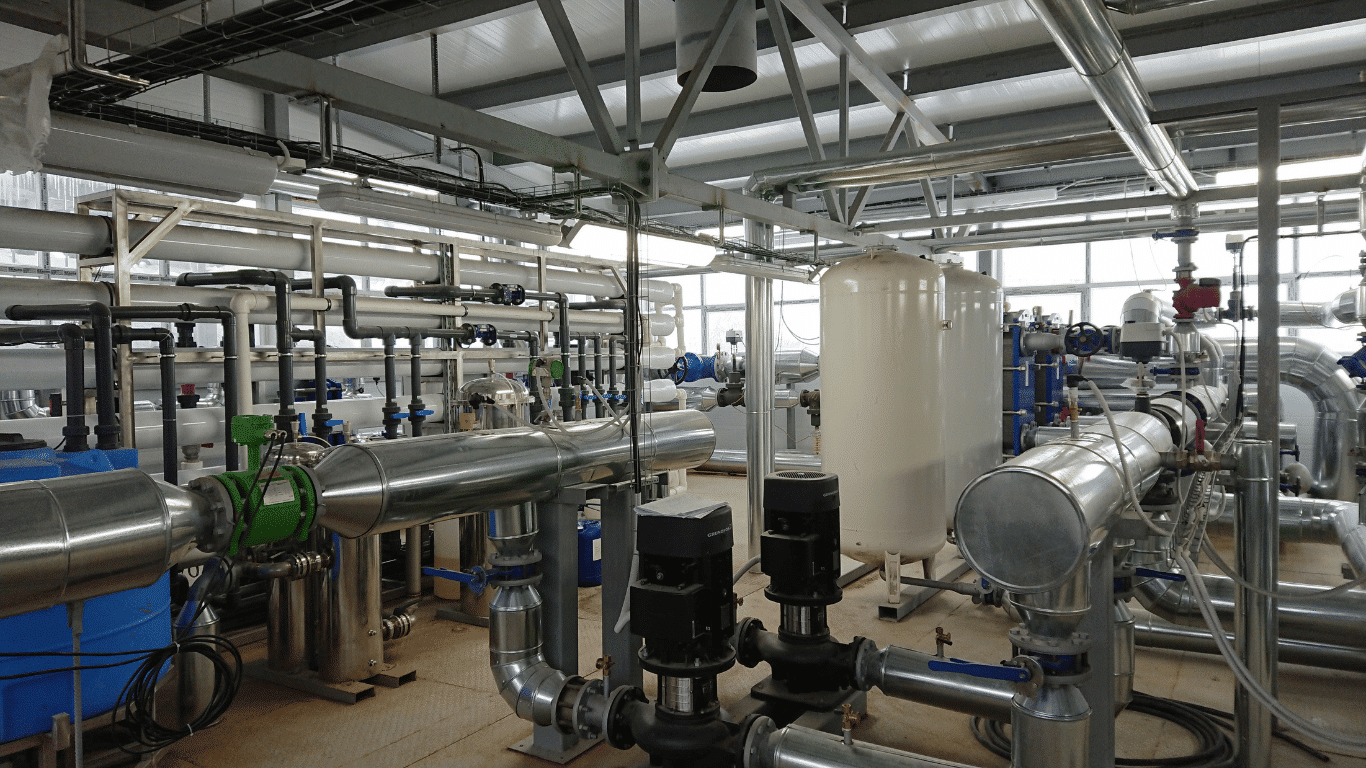
Industrial water systems constantly deal with dissolved minerals, changing water chemistry, and operating conditions that encourage scale formation and corrosion. These problems can affect heat transfer, restrict water flow, and increase maintenance requirements. Phosphonates offer a practical chemical solution for managing these challenges. Understanding how phosphonates in water treatment work helps facility operators make better decisions about chemical selection, system protection, and long-term operating performance.
What Are Phosphonates in Water Treatment?
Phosphonates are organic phosphorus compounds widely used in industrial water treatment formulations to control mineral deposits and support corrosion control. Their chemical structure contains one or more phosphonic acid groups, which allow them to interact with dissolved metal ions such as calcium, iron, and magnesium. These interactions help manage mineral precipitation and reduce the formation of unwanted deposits in industrial systems.
Unlike some conventional treatment chemicals, phosphonates can provide effective scale control at relatively low concentrations. They work through several mechanisms, including threshold inhibition, crystal growth modification, and metal ion complexation. These properties make them useful in cooling systems, boilers, heat exchangers, and other industrial applications where water chemistry directly affects equipment performance.
How Do Phosphonates Work in Industrial Water Systems?
Threshold Inhibition and Scale Control
One of the most important properties of phosphonates is their threshold effect. This mechanism allows a relatively small amount of chemical to interfere with mineral crystallization, even when the concentration of dissolved minerals exceeds their normal solubility limits. Instead of removing calcium or other dissolved ions from the water, phosphonates interfere with the formation and growth of mineral crystals.
For example, calcium carbonate commonly forms when water contains high calcium concentration and sufficient carbonate alkalinity. As water temperatures rise or evaporation increases, these minerals can exceed their solubility limits and begin forming solid deposits. Phosphonates attach to active crystal growth sites, disrupt normal crystal development, and make it more difficult for deposits to accumulate on equipment surfaces.
This process also applies to other minerals, including calcium sulfate and certain calcium phosphate compounds. Phosphonates prevent or slow crystal growth, helping operators maintain cleaner heat exchanger surfaces and reduce scale buildup. However, they do not eliminate the need for proper water chemistry management. Operators still need to monitor mineral concentrations, pH, and operating conditions to maintain effective treatment.
Metal Ion Complexation
Phosphonates also interact with dissolved metal ions through complexation. Their functional groups can bind metal ions and form stable complexes that influence how these substances behave in water. This property helps limit unwanted precipitation and supports the management of minerals that might otherwise contribute to deposits.
Their ability to interact with metal ions makes phosphonates useful in water systems with varying mineral content. However, complexation does not mean that phosphonates remove all dissolved metals from the water. Treatment performance depends on the specific compound, chemical concentration, water chemistry, and the amount of dissolved minerals present.
Supporting Corrosion Control
Phosphonates can also contribute to corrosion control, particularly in systems containing mild steel. Certain phosphonate formulations interact with metal surfaces and support the formation of protective surface films. These films can help reduce the electrochemical reactions responsible for metal deterioration.
Some treatment programs combine phosphonates with inorganic phosphate and other corrosion inhibitors to improve protection. This approach helps address scale and corrosion together, particularly in open recirculating cooling systems. Still, phosphonates should not serve as the only line of defense against corrosion. Proper pH control, water chemistry monitoring, and complementary treatment chemicals remain important.
Common Types of Phosphonates Used in Water Treatment
Different phosphonate compounds offer different performance characteristics. Chemical selection depends on the minerals present, operating temperatures, corrosion risks, and the overall treatment objectives.
Common examples include:
- HEDP (1-hydroxyethylidene-1,1-diphosphonic acid): Also known as 1,1 diphosphonic acid in its chemical naming context, HEDP provides effective calcium carbonate scale inhibition and supports corrosion control. It performs well in several industrial cooling applications.
- ATMP (aminotris(methylene phosphonic acid)): This compound contains multiple phosphonic acid groups that interact with metal ions. It helps control calcium-based deposits and supports scale prevention in industrial water systems.
- DTPMP (diethylenetriamine penta(methylene phosphonic acid)): Sometimes described using the broader penta methylene phosphonic acid terminology, DTPMP offers strong metal ion complexation and scale inhibition properties. It is useful in applications with challenging water chemistry.
- PBTC (2-phosphonobutane-1,2,4-tricarboxylic acid): PBTC provides scale inhibition and can support corrosion control, particularly in cooling water applications where operators need reliable performance under demanding conditions.
Methylene phosphonic acid compounds, including methylenephosphonic acid derivatives, contain chemical structures that make them effective in controlling mineral precipitation. Their performance varies, so operators should evaluate each compound against actual system conditions rather than assuming that one phosphonate works equally well in every application.
Industrial Applications of Phosphonates
Cooling Towers and Recirculating Cooling Systems
Cooling towers continuously expose water to evaporation, temperature changes, and increasing concentrations of dissolved minerals. These conditions encourage scale formation, especially when calcium carbonate levels become elevated. Phosphonates help control scale by interfering with crystal growth and reducing the likelihood of mineral deposits forming on tower components. For a closer look at how these systems manage mineral buildup and maintain water quality, explore our guide to cooling tower water treatment.
In cooling systems, scale can accumulate on fill materials, piping, and heat exchanger surfaces. These deposits restrict heat transfer and force equipment to work harder to maintain the required cooling capacity. A properly designed phosphonate program helps operators maintain cleaner surfaces, support energy efficiency, and manage maintenance costs.
Boilers and Heat Exchangers
Heat exchangers require clean surfaces to transfer heat effectively. When mineral deposits accumulate, they create an insulating layer that reduces heat transfer and increases energy consumption. Phosphonates can help prevent certain mineral deposits from developing, particularly in applications where calcium-based scale presents an operational concern.
However, boiler applications require careful chemical selection and monitoring. Operators must consider boiler pressure, temperature, feedwater quality, and the specific treatment program. Phosphonates may support certain boiler water treatment strategies, but they do not replace the complete chemical requirements of a properly designed boiler program.
Food and Beverage Manufacturing
The food and beverage industry relies on dependable process water, cooling equipment, and heat transfer systems. Mineral deposits can interfere with production efficiency, increase cleaning requirements, and affect equipment reliability.
Phosphonates may support scale control in appropriate utility water and cooling applications within food and beverage facilities. However, chemical selection must account for potential product contact, applicable environmental standards, and industry-specific requirements. Facility teams should verify that their treatment chemicals meet the relevant regulatory and operational specifications before introducing them into a system.
Power Generation and Other Industrial Applications
Power generation facilities depend on reliable cooling water and heat transfer equipment to maintain consistent operations. Scale accumulation can reduce heat exchanger performance, increase energy consumption, and contribute to unplanned maintenance.
Phosphonates also have practical applications in manufacturing, metal processing, and other industrial systems that handle mineral-rich process water. Their ability to control scale and interact with metal ions makes them useful in treatment programs designed around specific water chemistry challenges.
Factors That Affect Phosphonate Performance
Adding phosphonates to a system does not automatically guarantee effective scale and corrosion control. Several operating conditions influence how these treatment chemicals perform.
- Water hardness and mineral concentration: Calcium concentration, alkalinity, and other dissolved ions affect the potential for scale formation. Operators should review water analysis results to determine the appropriate chemical selection and dosage.
- pH levels: Water pH influences mineral solubility, phosphonate stability, and the interactions between treatment chemicals and dissolved metals. High pH conditions can increase the risk of certain calcium-based deposits, so maintaining the recommended operating range remains important.
- Temperature: Elevated temperatures can accelerate mineral precipitation and affect chemical stability. Some phosphonates maintain useful performance under high temperatures, but operators must consider the specific compound and actual system conditions.
- Chemical compatibility: Phosphonates can interact with other treatment chemicals, including inorganic phosphate, oxidizing biocides, and certain metal ions. Incompatible combinations or excessive chemical concentrations may reduce treatment effectiveness or contribute to unwanted precipitation.
- Dosage and monitoring: Effective treatment requires the right concentration for the system’s operating conditions. Excessive dosing does not necessarily improve performance and may increase chemical consumption, treatment costs, or environmental concerns.
Benefits and Limitations of Phosphonates
Phosphonates offer several advantages in industrial water treatment. Their threshold inhibition properties allow operators to control mineral deposits using relatively low concentrations. They also support corrosion inhibitor programs, improve heat transfer reliability, and help reduce maintenance requirements associated with scale buildup.
Another advantage is their versatility. Different phosphonate compounds can address various mineral-related challenges across cooling towers, heat exchangers, and other industrial systems. When operators select the right formulation, they can maintain more stable water chemistry and support consistent equipment performance.
However, phosphonates also have limitations. They do not remove dissolved minerals, replace mechanical cleaning, or eliminate the need for proper corrosion monitoring. High concentrations of certain metal ions may also contribute to precipitation problems when chemical compatibility and dosage receive insufficient attention.
Environmental impact is another consideration. Some phosphonates can contribute phosphorus to wastewater streams, while their biodegradability and environmental behavior vary by compound. Facilities should evaluate discharge requirements, wastewater treatment capabilities, and applicable environmental standards when selecting treatment chemicals.
Developing an Effective Phosphonate Treatment Program
An effective phosphonate program starts with understanding the water system rather than selecting a chemical based on its general properties. Teams should first review water analysis results, including hardness, alkalinity, pH, dissolved metals, and conductivity. These measurements help identify the potential for scale formation and determine which phosphonate compounds may offer suitable protection.
Next, evaluate the system’s operating conditions. Consider water temperature, flow rate, cycles of concentration, makeup water quality, and the materials that come into contact with the treated water. These factors help determine the appropriate treatment formulation and establish a practical chemical dosage.
Finally, establish a consistent monitoring and adjustment schedule. Operators should track chemical residuals, water chemistry, corrosion indicators, and visible signs of scale. They should also review treatment performance whenever operating conditions change. For additional guidance on chemical selection and system-specific solutions, explore ProChem’s industrial water treatment chemical programs.
Building Better Scale and Corrosion Control Strategies
Phosphonates play an important role in managing mineral deposits and supporting corrosion control across industrial water systems. Their ability to interfere with crystal growth, interact with dissolved metal ions, and support protective surface films makes them valuable components of many treatment programs.
However, reliable results require more than chemical application. Facility teams need to understand their water chemistry, identify potential compatibility issues, and monitor treatment performance under actual operating conditions. A balanced approach helps protect equipment, maintain heat transfer efficiency, and prevent unnecessary maintenance expenses.
If your facility experiences recurring scale buildup or corrosion problems, start by reviewing your water analysis, operating conditions, and existing chemical program. ProChem Inc. can help evaluate your system requirements and identify appropriate treatment strategies. Contact our industrial water treatment team to discuss solutions that support equipment protection, improve operating efficiency, and keep your water systems performing reliably.
