
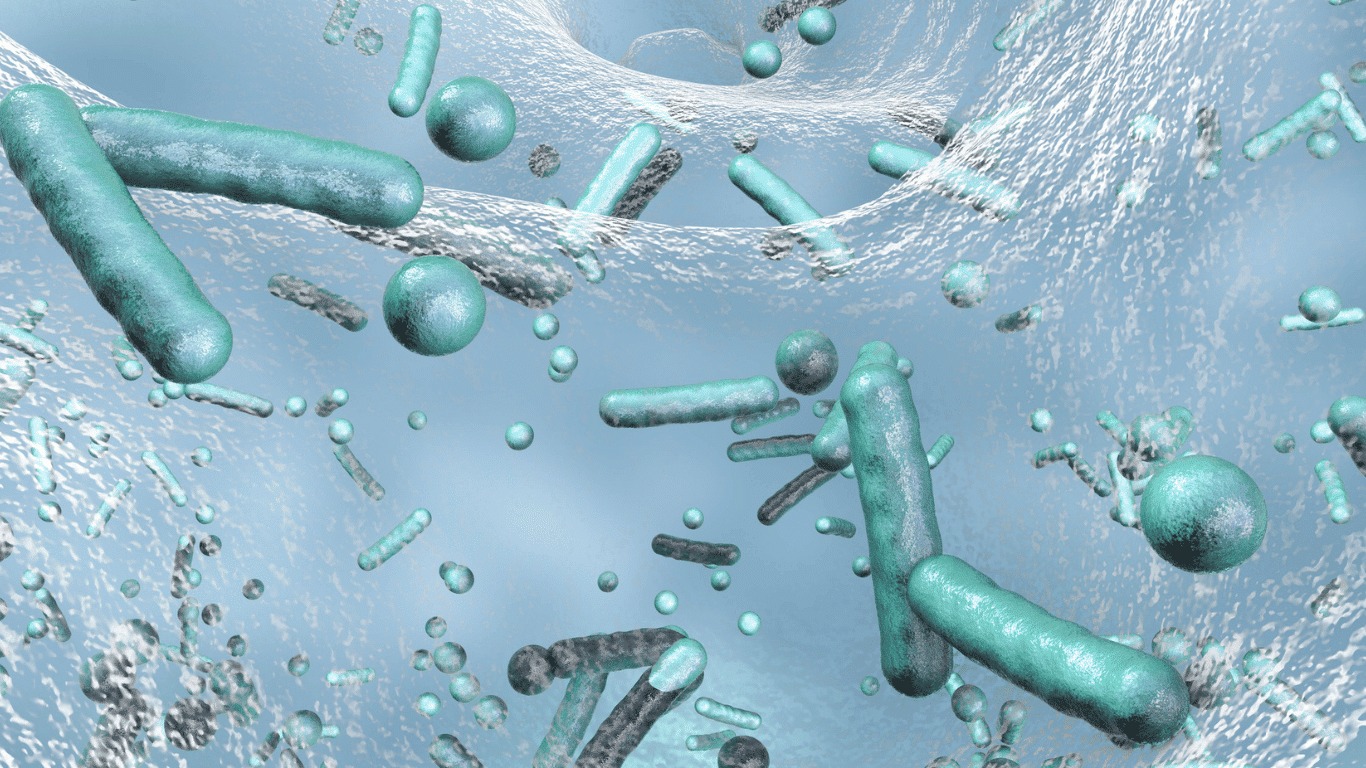
Water temperature plays an important role in controlling Legionella bacteria in commercial and industrial water systems. When temperatures fall within certain ranges, these microorganisms can multiply and create health risks for building occupants, employees, and visitors. Understanding the legionella temperature range helps facility managers recognize potential problems and make better decisions about water safety. More importantly, consistent monitoring and proper system maintenance help keep bacterial growth under control.
Where Legionella Bacteria Grow Best
Legionella bacteria thrive in water temperatures between 20°C and 45°C (68°F to 113°F), with the most favorable conditions generally occurring between 25°C and 42°C (77°F to 108°F). Growth becomes especially favorable around 35°C to 40°C, which is close to the temperatures found in some building plumbing systems. At these levels, bacteria can multiply when other conditions, such as low disinfectant residuals and stagnant water, also support their development.
One important detail to understand is that Legionella does not automatically disappear when water falls outside its preferred growth range. Below 20°C, bacterial growth slows considerably, but the organisms can survive and multiply again when conditions become favorable. Similarly, temperatures above 50°C begin to limit Legionella survival, although the effectiveness of heat depends on exposure time and actual system conditions. This distinction matters because maintaining water outside the favorable growth range is a preventive measure, not a guarantee that the entire system remains free of contamination.
How Temperature Influences Bacterial Growth
Temperature affects how quickly Legionella bacteria reproduce and survive inside a water system. Warm water provides favorable conditions for bacterial growth, particularly when biofilms, sediment, and other microorganisms offer additional protection. These conditions can develop inside pipes, storage tanks, cooling equipment, and other water system components. Once bacteria establish themselves in these areas, they can become difficult to control without a coordinated treatment and maintenance approach.
However, temperature is only one part of the problem. Low disinfectant residuals, poor water flow, and extended periods of stagnation can also support Legionella growth. For example, a building may maintain relatively cool incoming water, but poorly insulated pipes near heat sources can gradually increase its temperature. Operators should therefore monitor actual water temperatures at different points throughout the system instead of relying on a single reading.
Safe Hot and Cold Water Temperatures
Maintaining Proper Hot Water Temperatures
Hot water systems require careful temperature control because warm conditions can support Legionella growth. The CDC recommends storing hot water above 60°C (140°F) and maintaining circulating hot water above 49°C (120°F). Continuous recirculation, where practical, also helps maintain consistent temperatures throughout the distribution network. These operating conditions reduce the opportunity for Legionella to multiply in hot water tanks, heaters, and connecting pipework.
Operators should pay particular attention to heat loss along distribution lines. Water leaving a heater may reach the recommended temperature, but long pipe runs, poorly insulated sections, and low-flow areas can allow temperatures to drop before water reaches its destination. Regularly checking supply and return temperatures helps identify these weak points. If readings fall below established control limits, investigate the cause instead of simply increasing the heater setting without assessing the entire system.
Keeping Cold Water Below the Growth Range
Cold water temperatures also require attention, especially in commercial facilities located in warmer environments. The CDC recommends storing and circulating cold water below 25°C (77°F), while keeping it below 20°C (68°F) provides a stronger preventive target. Cold water does not necessarily eliminate Legionella, but maintaining lower temperatures helps limit bacterial multiplication.
Watch for cold water pipes that run near hot water lines, mechanical equipment, or other heat sources. These arrangements can gradually warm incoming water and create conditions that support Legionella growth. Cold water tanks and storage tanks also need regular inspections to identify heat exposure, sediment accumulation, and poor circulation. Proper insulation, suitable tank placement, and consistent monitoring help maintain the desired water temperature throughout the distribution system.
Factors That Increase Legionella Growth Risks
Stagnant Water, Dead Legs, and Biofilm
Water that remains unused for an extended period creates additional opportunities for bacterial growth. Dead legs, oversized pipes, infrequently used outlets, and low-flow sections can allow stagnant water to accumulate. These areas may experience temperature fluctuations and declining disinfectant residuals, making them more favorable environments for Legionella bacteria. The CDC recommends flushing low-flow pipe runs and dead legs at least weekly as part of an appropriate water management program.
Biofilm presents another challenge because it provides a protective environment for microorganisms inside plumbing systems. This layer can develop along pipe walls, storage tanks, and other surfaces that remain in contact with water. Legionella can associate with biofilms and certain free-living amoebae, which may help protect the bacteria from environmental stress and some disinfection efforts. Regular cleaning, inspections, and appropriate water treatment help address these conditions before they become more difficult to manage.
Cooling Towers and Other Water System Components
Cooling towers deserve particular attention because their operating conditions can support bacterial growth and spread. These systems circulate water, expose it to air, and generate fine water droplets that can carry Legionella into the surrounding environment. If contaminated aerosols travel through the air and people inhale them, exposure can lead to Legionnaires’ disease, a serious form of pneumonia.
Other equipment also deserves attention, including hot tubs, decorative fountains, humidifiers, and certain air conditioning and HVAC-related systems that use or produce water aerosols. Teams should inspect these components for sediment, corrosion, biofilm, and inconsistent operating conditions. For facilities that rely on evaporative cooling equipment, a properly designed cooling tower water treatment program can help manage water quality and support reliable system operation.
Temperature Monitoring and Legionella Control Measures
Monitoring Temperatures Throughout the System
A reliable temperature monitoring routine helps operators identify conditions that could support Legionella growth. Start with the water heaters, hot water storage tanks, circulation loops, and cold water storage areas. Then check representative outlets, including fixtures located near and far from the heat source. Comparing these readings helps determine whether the system maintains consistent temperatures or experiences heat loss and unwanted warming.
Teams should also document readings and compare them against established control limits. Pay attention to sudden changes, recurring temperature fluctuations, and areas that consistently fall outside the target range. These findings can reveal problems with circulation pumps, insulation, thermostats, mixing valves, or other equipment. Regular monitoring also gives facility managers useful information when reviewing their overall water safety procedures.
Using Thermostatic Mixing Valves Safely
Maintaining high hot water temperatures helps control Legionella, but it also introduces a scalding risk at faucets, showers, and other points of use. This is particularly important in healthcare facilities, hotels, and buildings that serve older adults or individuals with limited mobility. Thermostatic mixing valves help address this concern by blending hot and cold water to deliver a safer outlet temperature.
For better temperature control, install thermostatic mixing valves close to the point of use rather than allowing large sections of distribution piping to hold warm water. Operators should also inspect and maintain these valves because malfunctioning equipment can affect both outlet safety and water quality. Remember that the hot water distribution system still needs to maintain appropriate control temperatures upstream of the mixing valves.
Building an Effective Legionella Prevention Program
Combining Temperature Control With Water Treatment
Temperature management works best when facilities combine it with other Legionella control measures. A comprehensive approach should include routine inspections, appropriate disinfection, water quality monitoring, and maintenance of water system components. Operators should also track disinfectant residuals and pH because changes in these parameters can affect the performance of the overall treatment program. Maintaining an appropriate disinfectant residual helps limit bacterial growth, particularly in areas where temperature control alone cannot provide sufficient protection.
Facilities should establish water management programs that identify potential hazards, define operating limits, and assign responsibility for routine monitoring. These programs should cover storage tanks, distribution piping, cooling towers, water heaters, and other equipment that may create favorable conditions for bacterial growth. For additional guidance on identifying contamination risks, see ProChem’s article on Legionella testing.
When Thermal Disinfection Becomes Necessary
Thermal disinfection uses elevated water temperatures to reduce Legionella populations within a water system. Temperatures above 60°C can help control the bacteria, but effective treatment depends on maintaining the required temperature for an appropriate period throughout the affected system. Simply increasing the water heater setting does not guarantee successful disinfection, especially when biofilms, dead legs, and poorly circulated sections remain.
Before implementing thermal disinfection, facility teams should evaluate the system design, equipment limitations, exposure risks, and applicable safety requirements. The process can create serious scalding hazards and may require controlled flushing, temporary access restrictions, and professional supervision. Most importantly, thermal disinfection should complement an ongoing prevention program rather than replace regular monitoring and maintenance.
Supporting Safer Water Systems Through Proper Maintenance
Managing Legionella requires more than maintaining a specific temperature at the water heater. Facilities need to understand how water moves, where heat accumulates or escapes, and which components may encourage bacterial growth. ProChem Inc. supports industrial and commercial facilities with water treatment solutions, chemical programs, and system services that help maintain water quality and improve operating performance. Our operation and maintenance services can support a more consistent approach to system care and equipment reliability.
For facility managers, the practical next step is to review the entire water system, establish appropriate hot and cold water temperature limits, inspect low-flow areas, and monitor disinfectant residuals. Schedule routine flushing and cleaning, maintain thermostatic mixing valves, and investigate readings that fall outside established limits.
Need help evaluating your facility’s water treatment and maintenance requirements? Contact ProChem Inc. to discuss a program that supports water quality, system performance, and effective Legionella risk management.
Frequently Asked Questions (FAQ)
What is the ideal temperature range for Legionella growth?
Legionella bacteria grow best between 25°C and 45°C (77°F to 113°F), with particularly favorable conditions around 35°C to 40°C. Growth may also occur at temperatures as low as 20°C. Maintaining hot and cold water outside these favorable conditions helps limit bacterial multiplication.
What water temperature kills Legionella bacteria?
Temperatures above 50°C begin to reduce Legionella survival, while maintaining hot water above 60°C (140°F) provides an important control measure. However, the time required to achieve effective thermal disinfection depends on the temperature, exposure period, and conditions throughout the water system.
Can Legionella survive in cold water?
Yes. Cold water temperatures below 20°C generally limit Legionella growth, but they do not guarantee bacterial elimination. Legionella can survive in cold water and potentially multiply when temperatures increase and other favorable conditions develop.
How often should facility managers flush water systems to prevent Legionella growth?
The CDC recommends flushing low-flow pipe runs and dead legs at least weekly. Facilities should also regularly flush infrequently used fixtures, inspect storage tanks, and maintain proper water flow. The exact schedule should follow the facility’s water management program and risk assessment.
What is the difference between Legionella control and Legionnaires’ disease prevention?
Legionella control focuses on reducing bacterial growth and spread within building water systems through temperature management, disinfection, cleaning, and maintenance. Legionnaires’ disease prevention focuses on reducing human exposure to contaminated aerosols and other potential sources of infection. Both require consistent water management and appropriate public health precautions.
