
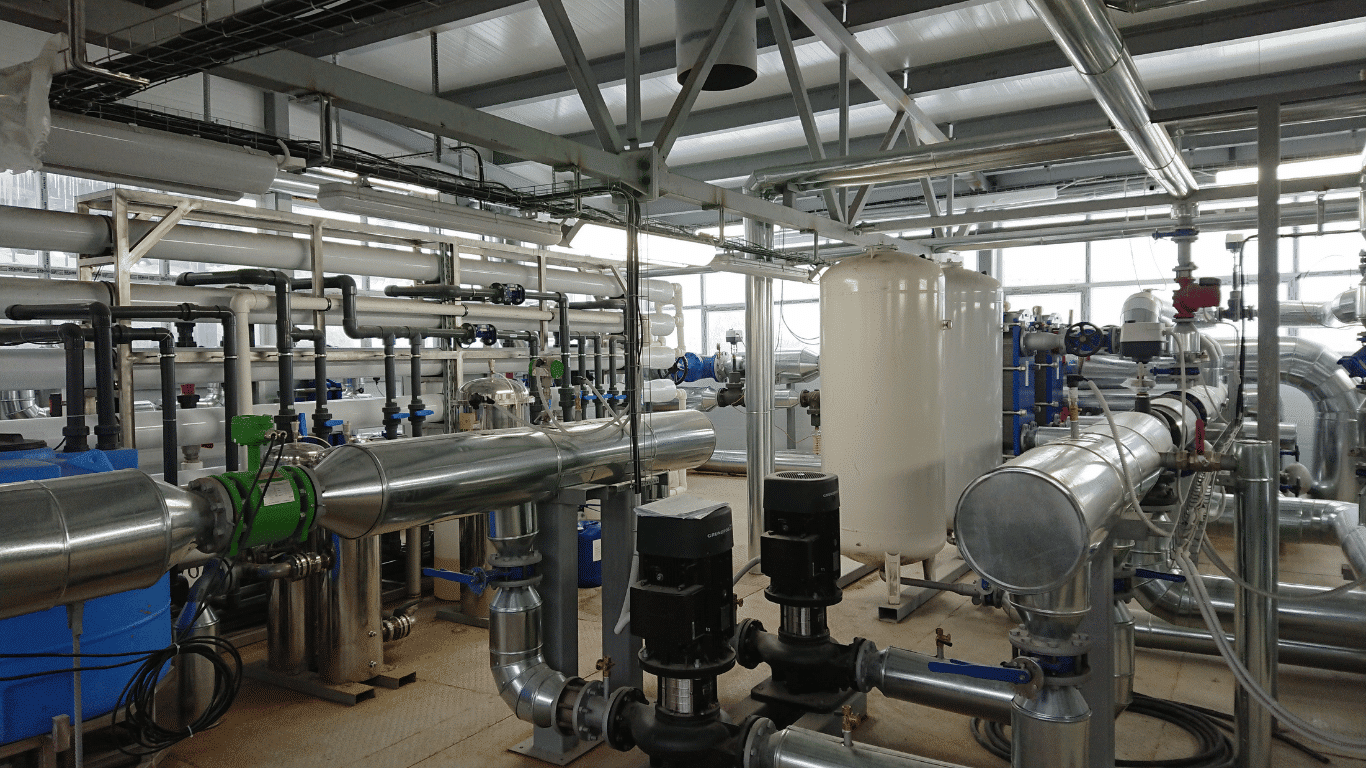
Water quality plays an important role in protecting patients, healthcare workers, and visitors. However, treating incoming water does not always guarantee that it will remain microbiologically safe throughout a healthcare facility. Long piping networks, storage tanks, and changing water conditions can create opportunities for microbial growth. This is where healthcare secondary disinfection becomes an important part of maintaining water safety and supporting infection control.
Understanding Secondary Disinfection in Healthcare
Secondary disinfection refers to supplemental water treatment that maintains a disinfectant residual throughout a facility’s internal distribution systems. Unlike primary disinfection, which targets microorganisms during the initial water treatment process, secondary disinfection provides continued protection as treated water travels through pipes, storage tanks, and outlets. It helps control microbial regrowth between the treatment point and the consumer’s tap.
Healthcare facilities receive drinking water from municipal water treatment plants or other approved water supplies. Although these sources generally meet established water quality requirements, the water can still encounter conditions that encourage microbial growth after entering the building. Complex piping, low-flow sections, storage areas, and temperature fluctuations can affect disinfectant stability. Consequently, healthcare secondary disinfection helps address risks that conventional treatment alone may not fully control.
It is important to understand that secondary disinfection does not replace primary disinfection, filtration, or proper plumbing maintenance. Instead, it complements these measures as part of a multi-barrier approach. Facility operators should consider the entire water system, from incoming supply to individual outlets, when developing a disinfection strategy. This approach supports consistent water quality and helps reduce exposure to potentially harmful microorganisms.
Why Healthcare Facilities Need Secondary Disinfection
Healthcare environments have different water safety requirements because they serve patients with varying levels of immunity. Individuals receiving cancer treatment, undergoing surgery, or recovering from serious illnesses may face greater health risks from exposure to waterborne pathogens. Even microorganisms that rarely affect healthy individuals can create serious complications for vulnerable populations. For this reason, patient safety should remain a priority when managing building water systems.
Two important pathogens to consider are Legionella and Pseudomonas. Legionella can multiply in warm water systems and spread through contaminated water droplets or aerosols. Pseudomonas can also persist in plumbing environments, particularly where stagnant water and biofilms support microbial growth. Both organisms can create serious infection risks in healthcare settings, making effective pathogen control an important part of disease control and infection prevention.
Biofilms make these challenges more difficult to manage. They develop when microorganisms attach to interior pipe surfaces and form protective layers that conventional disinfection methods may struggle to penetrate. These layers can shelter pathogenic microorganisms and contribute to recurring microbial contamination. Healthcare secondary disinfection helps maintain conditions that discourage microbial regrowth, although operators must also address stagnant water, plumbing design issues, and other factors that encourage biofilm formation.
Common Secondary Disinfection Methods
Healthcare facilities can use different disinfection technologies depending on their water quality, plumbing configuration, microbial risks, and operational requirements. The right approach should provide an appropriate disinfectant residual without compromising water quality or damaging system components. Common options include chlorine-based treatment, chlorine dioxide, monochloramines, copper-silver ionization, and ultraviolet disinfection.
Chlorine and Sodium Hypochlorite
Chlorination remains a widely used method for controlling microorganisms in water systems. Sodium hypochlorite introduces chlorine into water, where it forms disinfecting compounds that can kill bacteria and other susceptible microorganisms. Maintaining an appropriate free chlorine residual helps discourage microbial regrowth as water moves through distribution systems. However, chlorine demand, pH, temperature, and organic matter can affect its performance. Operators should establish residual targets based on applicable requirements and the facility’s water management program rather than assume one concentration works for every system.
Chlorine Dioxide
Chlorine dioxide offers another option for controlling a broad range of microorganisms. It can help inactivate Legionella and Pseudomonas while also providing activity against biofilms under appropriate treatment conditions. Unlike conventional chlorine, chlorine dioxide maintains useful disinfection performance across a relatively wide pH range. Facilities interested in this technology should also understand its chemical handling, on-site generation, monitoring, and byproduct requirements. For a closer look at its properties and applications, read our guide to chlorine dioxide solutions.
One important consideration involves regulatory limits. The U.S. Environmental Protection Agency (EPA) establishes a maximum residual disinfectant level of 0.8 mg/L for chlorine dioxide in drinking water. It also sets a maximum contaminant level of 1.0 mg/L for chlorite, a disinfection byproduct associated with chlorine dioxide treatment. These limits apply within the relevant drinking water regulatory framework and should not be confused with recommended operating targets for every healthcare plumbing system.
Monochloramines
Monochloramines form when operators combine chlorine with ammonia under controlled conditions. They provide a more persistent disinfectant residual than free chlorine in many distribution systems, making them useful when water must travel through extensive piping networks. They can also perform well in certain hot water applications. However, their effectiveness against established biofilms presents limitations, particularly in complex piping. Facilities must evaluate their performance against site-specific microbial risks before selecting this treatment method.
Copper-Silver Ionization and UV Disinfection
Copper-silver ionization introduces controlled concentrations of copper and silver ions into water. These ions can disrupt bacterial cell functions and help control Legionella under properly managed conditions. Meanwhile, ultraviolet light (UV light) inactivates microorganisms by damaging their genetic material. UV treatment does not introduce chemicals or maintain a disinfectant residual after water leaves the treatment unit. For this reason, facilities often consider UV as one component of a broader disinfection strategy rather than a standalone solution for protecting extensive distribution systems.
Maintaining Disinfectant Residuals and Water Quality
Selecting a secondary disinfectant is only part of the process. Operators also need to ensure that an adequate residual reaches different areas of the facility. Disinfectant concentrations can decrease as water travels through pipes because of chemical reactions, biofilm activity, and contact with organic matter. Long distribution lines and infrequently used outlets can make residual stability particularly difficult to maintain.
Temperature management also deserves attention. Warm water can encourage Legionella growth, while cold water systems can support microbial activity when temperatures rise above appropriate control ranges. Stagnant water creates additional opportunities for microorganisms to multiply and establish biofilms. Facilities should maintain appropriate hot and cold water temperatures according to their water management program, applicable codes, and scald prevention requirements. Regular flushing of infrequently used outlets can also help limit stagnation.
Disinfection byproducts require equal consideration. Chemical disinfectants can react with naturally occurring substances in water and form compounds that require monitoring. For example, chlorine-based treatment can contribute to the formation of certain disinfection byproducts, while chlorine dioxide treatment can produce chlorite. Maintaining effective disinfection means balancing microbial control with chemical safety, regulatory compliance, and the specific needs of the healthcare setting.
Monitoring and Managing Healthcare Water Systems
A reliable healthcare secondary disinfection program requires consistent monitoring. Operators should not rely on chemical dosing settings alone to determine whether their system performs properly. Instead, they should measure disinfectant concentrations at representative locations, including areas farthest from the treatment point and outlets with known stagnation concerns. These checks help identify residual losses and potential conditions that could support microbial growth.
Water quality monitoring should also consider pH, temperature, flow conditions, and microbiological results. Routine microbiological surveillance can help facilities evaluate whether their control measures work as intended, particularly when the water management team identifies specific high-risk areas. Teams should document test results, investigate unusual readings, and record corrective actions whenever measurements fall outside established operating limits. You can learn more about the role of routine testing in our guide to water quality monitoring.
Documentation helps facility teams maintain accountability and recognize recurring problems. Keep records of chemical dosing, disinfectant residuals, microbiological sampling, equipment inspections, and corrective actions. Infection control teams should also coordinate with engineering and maintenance personnel during infection control rounds. This collaboration helps identify issues such as unused outlets, deteriorating plumbing components, temperature inconsistencies, and areas where stagnant water may accumulate.
Building a Reliable Healthcare Water Safety Program
Secondary disinfection works best when healthcare facilities integrate it into a comprehensive water safety program. The CDC recommends that healthcare facilities develop and implement water management programs to reduce Legionella growth and transmission, while also addressing other waterborne pathogens. These programs should identify potential hazards, establish control measures, assign responsibilities, and define procedures for responding to system changes or unexpected test results.
Start by reviewing the incoming water supply, identifying high-risk zones, and mapping the facility’s distribution systems. From there, establish appropriate disinfectant residual targets, temperature control measures, and monitoring schedules. Teams should also review treatment equipment, chemical compatibility, and plumbing conditions to ensure that their selected disinfection process supports long-term system performance.
Strengthening Water Safety Across Healthcare Facilities
Maintaining safe water requires more than installing a disinfection system and checking it occasionally. Facility operators need to evaluate treatment performance, monitor residual levels, address stagnant water, and document corrective actions consistently. A properly managed healthcare secondary disinfection program supports continuous protection and helps reduce the conditions that allow waterborne pathogens to spread.
If your facility needs to improve its water treatment strategy, ProChem can help evaluate treatment requirements and identify practical solutions for maintaining reliable system performance. Connect with our water treatment specialists to discuss your facility’s water quality challenges and develop a treatment approach that supports dependable disinfection, operational consistency, and patient safety.
