
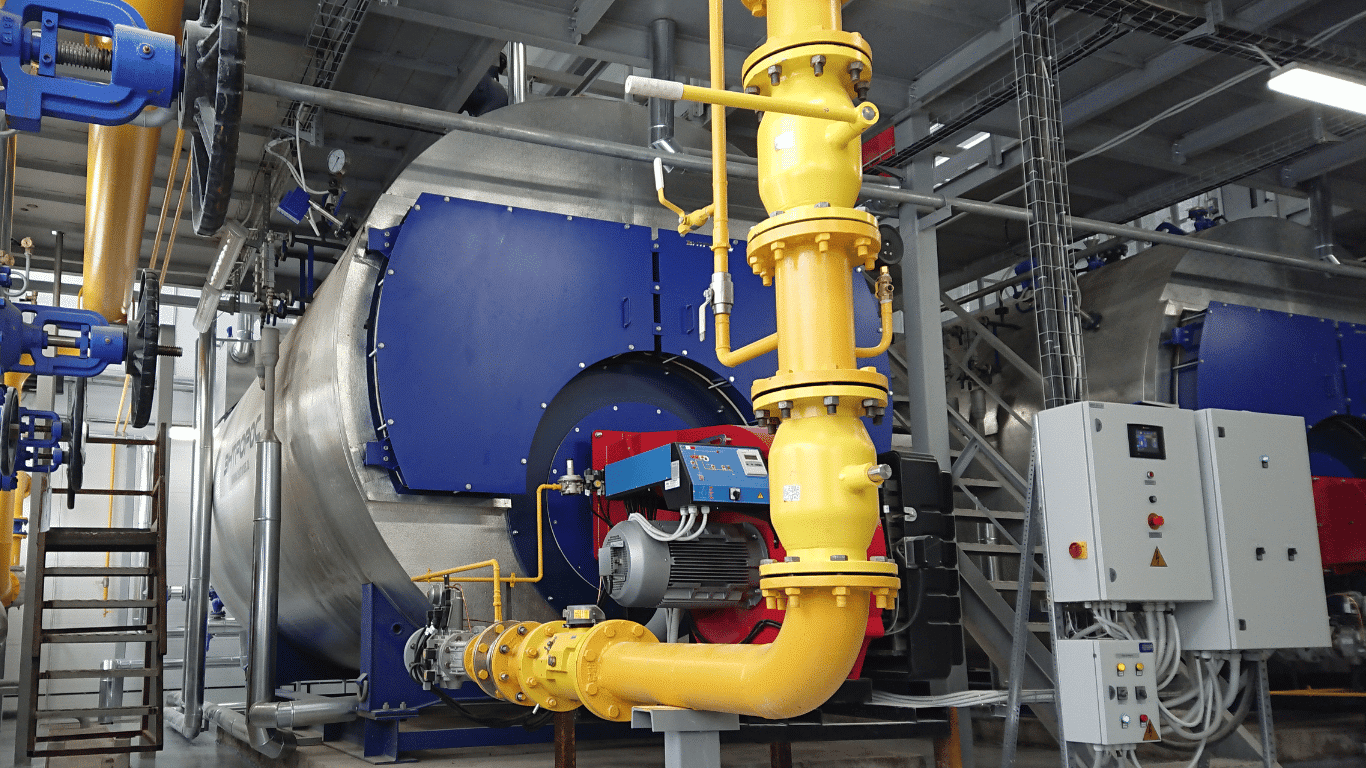
Boilers play an essential role in industrial operations, providing the heat and steam that support manufacturing, processing, and facility operations. However, their performance depends on more than the equipment itself. The condition of the water circulating through the system also matters. Maintaining good boiler water quality helps facilities protect equipment, manage operating costs, and maintain reliable steam production. A consistent water management approach also helps operators identify developing problems before they affect the entire system.
What Determines Boiler Water Quality?
Boiler water quality refers to the chemical and physical condition of the water inside a boiler. Several factors influence it, including pH, alkalinity, hardness, dissolved oxygen, and total dissolved solids (TDS). Each indicator tells operators something about the water’s potential to cause deposits, corrosion, or other operating problems. The acceptable ranges depend on the boiler type, operating pressure, and manufacturer’s recommendations.
Hardness minerals, particularly calcium and magnesium, deserve close attention. When these minerals enter a boiler, they can form scale on boiler tubes and other metal surfaces. Dissolved salts and suspended particles can also accumulate as water evaporates and concentrates. Meanwhile, dissolved oxygen can react with metal components and create conditions that encourage corrosion. Regular boiler water testing helps operators identify these changes and determine when treatment adjustments are necessary.
pH and alkalinity also play important roles. Proper pH levels help protect metal surfaces from acidic conditions, while alkalinity helps buffer sudden changes in pH. However, excessive alkalinity can create other problems, including foaming and caustic embrittlement under certain operating conditions. Operators should monitor these indicators together rather than relying on a single measurement to evaluate water quality.
Common Problems Caused by Poor Boiler Water Quality
One of the most common problems is scale formation. As boiler water heats up, dissolved minerals can separate from the water and settle on internal surfaces. Calcium and magnesium deposits are particularly troublesome because they create an insulating layer between the water and the heated metal. Even a relatively thin layer can reduce heat transfer efficiency, forcing the burner to consume more fuel to maintain the required steam output. A frequently cited estimate suggests that 1 mm of scale can reduce heat transfer efficiency by around 10%, although actual losses depend on operating conditions and deposit characteristics.
Corrosion presents another serious concern. Dissolved oxygen reacts with boiler metal surfaces, creating rust and localized damage. In particular, pitting corrosion can produce deep cavities that weaken boiler tubes and other components. If operators overlook these conditions, corrosion can eventually contribute to leaks, equipment damage, and boiler failure. Poor water chemistry can also create conditions for caustic embrittlement, which weakens steel and increases the risk of sudden structural failure.
High dissolved solids create additional operating challenges. As steam leaves the boiler, minerals and other impurities remain behind, increasing their concentration in the remaining water. Excessive total dissolved solids can encourage foaming and carryover, allowing contaminated water droplets to enter the steam system. This can damage valves, heat exchangers, and downstream equipment. Ultimately, poor water quality can reduce boiler performance, increase energy consumption, and lead to costly repairs.
How to Maintain Proper Boiler Water Quality
Maintaining good water quality starts before water enters the boiler. Feed water preparation removes impurities that would otherwise create problems during operation. Water softeners remove hardness ions through ion exchange, helping prevent scale formation. For facilities that need to remove a greater amount of dissolved salts, reverse osmosis provides another treatment option. These pretreatment systems help operators deliver cleaner water to the boiler and reduce the burden on internal chemical treatment.
After pretreatment, chemical treatment helps control the remaining impurities. Oxygen scavengers reduce dissolved oxygen that could otherwise attack metal surfaces. Sodium sulfite is one example commonly used in suitable boiler applications, although chemical selection depends on operating pressure and system requirements. Other treatment chemicals help control scale, manage alkalinity, and condition suspended solids so operators can remove them through blowdown. The goal is to maintain water chemistry within the limits established for the specific boiler.
Blowdown procedures also require careful attention. As water evaporates, dissolved solids become more concentrated. Blowdown removes a portion of the concentrated boiler water and replaces it with treated feed water. However, excessive blowdown wastes water, treatment chemicals, and heat, while insufficient blowdown allows solids to accumulate. Operators should base blowdown frequency and volume on measured TDS levels, operating conditions, and manufacturer recommendations.
The Role of Chemical Treatment in Boiler Protection
Chemical treatment provides ongoing protection after water enters the boiler. Different chemicals address different water quality concerns, so operators should select products according to actual test results rather than applying a generic treatment formula. Oxygen scavengers help reduce corrosion risk, while scale inhibitors and other conditioning chemicals help manage mineral deposits and sludge formation. pH adjusters also help maintain the appropriate chemical balance.
Proper dosing matters just as much as chemical selection. Underfeeding can leave the system vulnerable to corrosion and scale buildup, while overfeeding can create excessive chemical concentrations and other water chemistry problems. For this reason, operators should monitor treatment residuals and adjust chemical feed rates according to changing operating conditions. A properly designed boiler water treatment program combines pretreatment, chemical dosing, testing, and routine maintenance to address the specific needs of each facility.
Facilities should also consider how their water source affects treatment requirements. Changes in incoming water quality can influence hardness, dissolved solids, and chemical demand. In some applications, disinfectants such as sodium hypochlorite may help control microbial growth in upstream water systems. However, treatment chemicals must match the application, since residual oxidants can create corrosion or compatibility concerns if they enter the boiler untreated.
Monitoring and Testing Boiler Water
Regular testing helps operators maintain control over water chemistry and identify problems before they affect boiler operation. A dependable boiler water testing schedule should cover the indicators most relevant to the system, including pH, alkalinity, total dissolved solids, hardness, chloride, phosphate, and dissolved oxygen. Testing frequency depends on boiler pressure, operating conditions, feed water characteristics, and the treatment program.
Dissolved oxygen deserves particular attention because sampling and handling can affect the accuracy of test results. Operators should collect samples using the correct procedure and measure dissolved oxygen immediately after sampling whenever the test method requires it. Delays can allow oxygen levels to change, resulting in misleading readings. Regular testing also helps teams identify trends, such as rising TDS levels, declining treatment residuals, or unexpected changes in alkalinity.
Keep accurate records of test results, chemical additions, blowdown activity, and operating conditions. These records help operators recognize recurring problems and make informed decisions about treatment adjustments. If test results change unexpectedly, investigate the cause instead of simply increasing chemical dosages. Changes in makeup water, equipment condition, condensate return, and operating loads can all affect boiler water chemistry.
Building a Reliable Boiler Water Management Program
A reliable boiler water management program brings pretreatment, chemical treatment, monitoring, and maintenance together. Start with an assessment of the incoming water and the boiler’s operating requirements. From there, establish treatment targets, testing schedules, chemical feed rates, and blowdown procedures. Make sure operators understand which readings require immediate attention and who should respond when results fall outside acceptable limits.
It also helps to review the program whenever operating conditions change. New production demands, changes in water supply, and increased steam requirements can affect treatment needs. For facilities using advanced pretreatment, reverse osmosis water treatment systems can help reduce dissolved salts in feed water. However, operators should still monitor the treated water and maintain appropriate internal boiler chemistry. Pretreatment does not eliminate the need for regular testing or chemical control.
If your facility needs help reviewing its water treatment strategy, ProChem can help assess your system requirements and identify opportunities to improve performance. Explore our operation and maintenance services to discuss a treatment and maintenance approach that supports reliable steam production, protects equipment, and helps control operating costs. Consistent monitoring and the right treatment adjustments can make a significant difference in your boiler’s long-term performance.
