
Unpleasant odors can tell you a lot about what is happening inside a facility. Persistent smells around wastewater systems, damp areas, storage rooms, and production spaces often point to problems that ordinary cleaning cannot resolve. While air fresheners and masking agents may temporarily improve the smell, they rarely address the source. Chlorine dioxide odor control offers another approach. It uses oxidation to target odor-causing compounds and microorganisms, helping facilities manage persistent odors more effectively.
Understanding Where Persistent Odors Come From
Before choosing an odor treatment, take a closer look at where the smell originates. Many persistent odors come from biological activity, chemical reactions, or decomposing organic materials. Mold and mildew often produce musty smells in damp rooms, basements, carpets, and other areas with poor ventilation. Similarly, bacteria that break down organic waste can release gases responsible for some of the most difficult odors to eliminate.
Industrial facilities face additional challenges. Wastewater collection systems, treatment tanks, sludge handling areas, and process equipment can release hydrogen sulfide and other sulfur-containing gases. Hydrogen sulfide produces the familiar rotten egg smell, even at relatively low concentrations. Other sources include rotten food, pet waste, urine, smoke, and chemical residues. Each source requires a different approach, so identifying the compound behind the smell should always come first.
How Chlorine Dioxide Eliminates Odors
Chlorine dioxide works as a selective oxidizing agent. Instead of covering up unpleasant smells with fragrance, it reacts with certain odor-causing compounds and changes their chemical structure. This reaction can reduce the compounds responsible for persistent odors, including hydrogen sulfide and other reduced sulfur substances. Depending on the application, chlorine dioxide can also help control microorganisms that contribute to odor formation.
This makes chlorine dioxide an effective odor eliminator for applications that require more than temporary deodorizing. It can target organic and certain inorganic compounds, as well as odor-producing bacteria, mold, and mildew. However, results depend on the contaminant, concentration, contact time, and treatment conditions. Chlorine dioxide does not remove every possible odor source, and operators should not assume that one application will resolve an ongoing contamination problem.
Another important distinction is how chlorine dioxide reaches the odor source. Liquid formulations can treat compatible surfaces and water streams, while controlled gaseous fumigation can distribute the oxidizing agent throughout an enclosed space. The gas can reach areas that surface wiping may miss, although penetration and treatment effectiveness depend on material properties and application conditions. For a closer look at its chemistry and treatment applications, read our guide to chlorine dioxide solution.
Common Applications of Chlorine Dioxide Odor Control
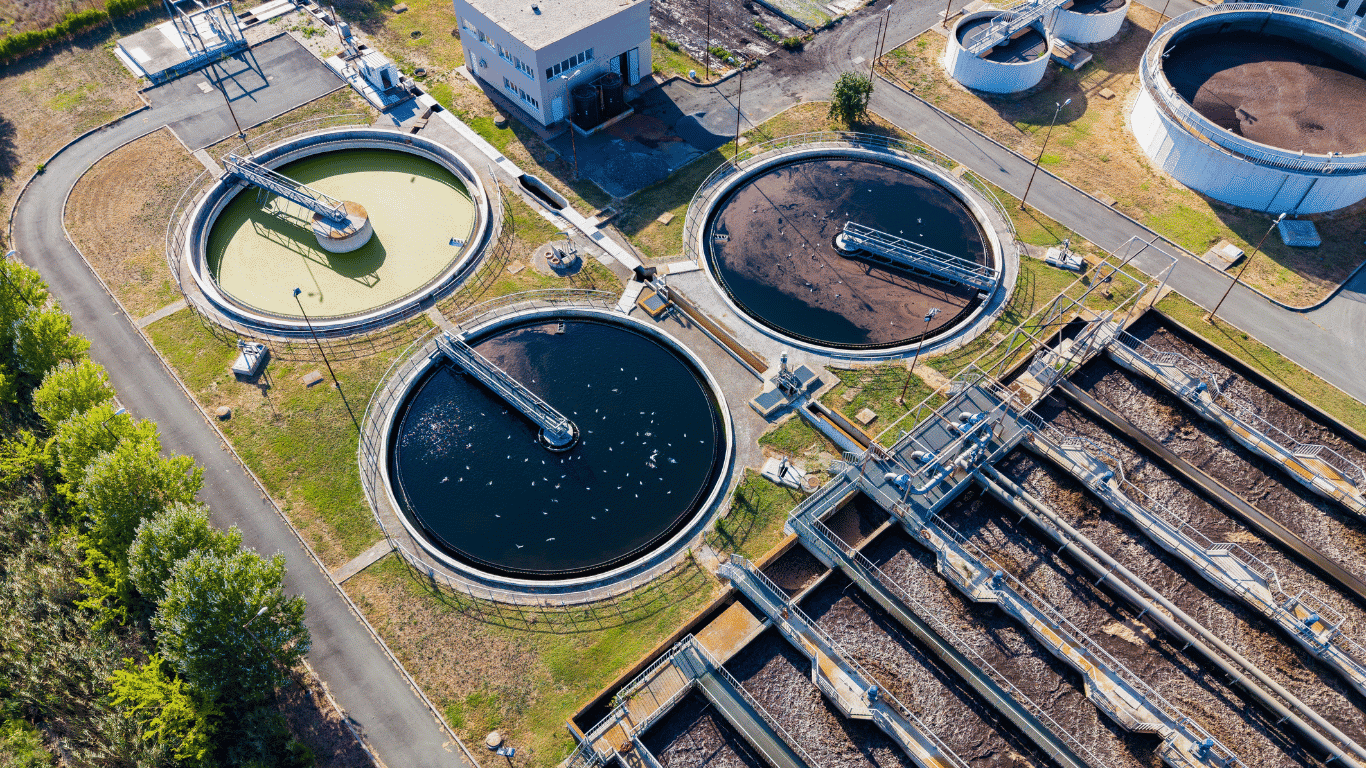
Chlorine dioxide odor control has applications across several commercial and industrial environments. Wastewater treatment facilities, for example, may use chlorine dioxide to manage odors associated with hydrogen sulfide and other odor-producing compounds. Operators should pay particular attention to collection points, lift stations, treatment tanks, and sludge handling areas, where biological decomposition can generate persistent bad smells.
The technology also has applications in enclosed spaces affected by mold, mildew, smoke, food waste, and pet-related odors, provided the selected product carries the appropriate label for that use. Controlled chlorine dioxide gas fumigation can treat enclosed environments, including certain buildings and equipment spaces. However, it requires a properly designed fumigation process, appropriate containment, and verified clearance before people return. It is not a general-purpose room deodorizer.
In larger industrial environments, odor management should form part of a broader environmental control program. Wastewater characteristics, ventilation, chemical handling, and process conditions all influence the results. Facilities that generate strong odors during production should also examine their treatment processes and waste streams. Our guide to the industrial wastewater treatment process explains how facilities can address contaminants through coordinated treatment methods.
What Affects Odor Removal Performance?
Several factors determine how well chlorine dioxide performs. First, operators need to identify the odor-causing compound. Hydrogen sulfide, organic decomposition, microbial growth, and chemical vapors do not all respond in the same way. A treatment that works well against sulfur-containing odors may not deliver the same results against paint fumes or other volatile chemicals.
Concentration, contact time, temperature, humidity, pH, and the surrounding environment also influence treatment performance. Chlorine dioxide works across a useful range of water-treatment conditions, but operators should follow the specific product’s approved operating range rather than assume that every formulation performs equally well between pH 4 and 10. Similarly, a treatment that takes several hours in one enclosed space may require a different exposure period in another.
Porous materials can make odor removal more challenging. Carpets, drywall, upholstery, and other absorbent surfaces may retain moisture, organic matter, and odor-causing residues. Gas fumigation can expose surfaces and hard-to-reach areas, but it does not guarantee that every contaminant within a material will receive sufficient treatment. If damaged materials continue to harbor mold or other biological growth, operators should remove or remediate the source instead of relying on a deodorizer alone.
Safety and Operational Considerations
Chlorine dioxide requires careful handling because it is a strong oxidizing agent and can irritate the eyes, nose, throat, and respiratory system. Exposure to high concentrations can cause serious respiratory injury. For this reason, gas fumigation should only take place under an approved procedure with trained and qualified applicators. Teams must also follow the applicable product label, safety data sheet, and workplace exposure requirements.
Before treatment, operators should assess the space, identify sensitive equipment and materials, and establish appropriate access restrictions. Chlorine dioxide can affect certain metals, fabrics, and other materials depending on the concentration and exposure conditions. High concentrations may cause corrosion, discoloration, or bleaching. Facilities should also consider nearby electrical equipment, ventilation systems, and other materials that could react with a strong oxidizer.
Most importantly, never assume that a treated room is safe simply because the treatment period has ended or the smell has disappeared. Operators must follow the product’s reentry requirements and use suitable instruments to verify that chlorine dioxide concentrations have reached the required clearance level. NIOSH identifies an eight-hour recommended exposure limit of 0.1 ppm and a short-term limit of 0.3 ppm. These occupational limits provide important safety context, but the applicable product label and regulatory requirements must guide the actual release procedure.
Building an Effective Odor Control Strategy
A reliable odor management program starts with identifying the source. Walk through the affected area, inspect equipment, check drainage and ventilation, and look for moisture accumulation or organic waste. In wastewater environments, monitor locations where stagnant water, sludge, or decomposing materials may generate hydrogen sulfide. These checks help teams determine whether the problem requires chemical treatment, equipment maintenance, improved ventilation, or a combination of measures.
Next, select a treatment that matches the odor source and application environment. Review the product’s registration, approved uses, concentration requirements, compatibility information, and safety instructions. Avoid using generic tablet dosages or mixing instructions from unrelated products. A 100-gram tablet, for example, does not automatically provide a suitable treatment for every 500-square-foot space. Product formulations and release rates vary, so follow the manufacturer’s validated directions.
Finally, measure the results and address anything that allows the odor to return. Persistent smells often indicate that the original source remains active. Repair leaks, remove contaminated materials, improve drainage, maintain wastewater equipment, and control biological growth. Regular inspections and treatment monitoring help operators determine when to adjust their approach rather than repeatedly applying chemicals without resolving the underlying problem.
Maintaining Better Odor Control Across Your Facility
Long-term odor management takes more than a single chemical application. It requires a clear understanding of the facility’s processes, consistent monitoring, and a treatment strategy that addresses both immediate odors and their underlying causes. Operators should review chemical use, inspect equipment, document recurring odor complaints, and evaluate treatment performance as operating conditions change.
If your facility is dealing with persistent odors or needs a more coordinated approach to water and wastewater management, ProChem can help. Our operation and maintenance services support chemical program monitoring, routine system maintenance, wastewater operations, and ongoing performance improvements. Talk with our team about your facility’s treatment requirements and the practical steps that can help keep operations under control.
Frequently Asked Questions
How long does chlorine dioxide take to eliminate odors?
Treatment time depends on the chlorine dioxide formulation, concentration, contact time, humidity, and the type of odor. Some controlled fumigation applications may take several hours, but a five-to-twelve-hour treatment period is not universal. Always follow the approved product instructions and verify safe reentry conditions before reopening an enclosed space.
Can chlorine dioxide remove pet, food, and musty odors?
Yes, appropriately registered chlorine dioxide products can help address certain odors associated with pets, urine, rotten food, mold, and mildew. However, operators must remove waste, clean contaminated surfaces, and correct moisture problems first. Otherwise, odors may return as biological activity continues.
Does chlorine dioxide leave residue after treatment?
Chlorine dioxide reacts with other substances and can form different reaction products, including chlorite and chlorate under certain water-treatment conditions. Its breakdown products depend on the environment and the compounds it encounters. Therefore, it is inaccurate to claim that every chlorine dioxide treatment leaves only salt and water or produces no residue.
Is chlorine dioxide safer than bleach or air fresheners for odor removal?
Chlorine dioxide and bleach have different chemical properties and application requirements. Both require appropriate handling and exposure controls. Air fresheners generally rely on fragrance to improve how a space smells, while chlorine dioxide targets certain odor-causing compounds through oxidation. The better option depends on the odor source, intended use, and product-specific safety requirements.
Can chlorine dioxide odor control replace regular cleaning and ventilation?
No. Chlorine dioxide can support an odor management program, but it should not replace routine cleaning, proper ventilation, moisture control, or equipment maintenance. Teams should remove accumulated grime, address leaks, clean affected surfaces, and maintain treatment systems to prevent recurring odors. A comprehensive approach delivers more reliable results than relying on a single deodorizer.
