
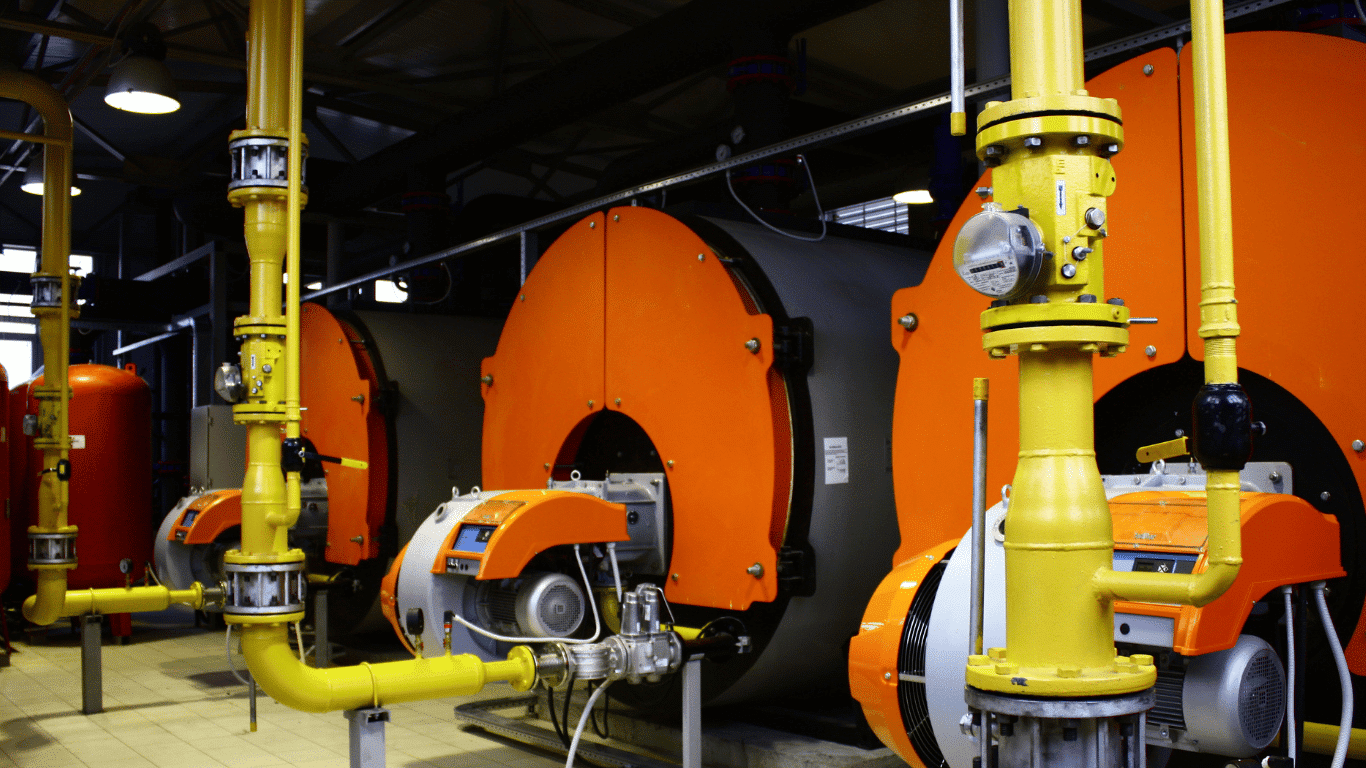
Industrial operations rely on consistent heat and steam to keep production moving. Industrial boiler systems sit at the center of that demand, supporting everything from manufacturing to energy use. A well-designed boiler system ensures a steady supply of heat and pressure, allowing each steam boiler to perform reliably across a wide range of industrial processes. When these systems run efficiently, teams maintain output, control costs, and avoid unnecessary disruptions.
How Industrial Boiler Systems Work
Industrial boiler systems convert fuel into usable heat. The process starts with a controlled combustion process, where a fuel source such as natural gas, oil, or coal burns inside the boiler. This combustion creates hot gases, which act as the primary heat source. Operators rely on this stage to generate consistent heat while maintaining safe pressure levels inside the system.
That heat does not stay in the combustion chamber. Instead, it moves through the boiler and into water through heat transfer surfaces, usually a network of tubes. As the heat transfers into the water, it begins to heat water to its boiling point. This is where the system starts to generate steam for industrial use, or in some cases, produce hot water for heating system demands.
As the process continues, the boiler maintains a steady cycle of fuel input, combustion, and heat transfer. The result is a reliable supply of steam or hot water that supports daily operations. When teams understand how each step works, they can better manage performance and keep the system running efficiently.
Main Components of a Boiler System
Every boiler system relies on a set of core components that work together to produce reliable heat and steam. The burner starts the process by mixing fuel and air to create controlled combustion. Inside the combustion chamber, this process generates combustion gases that carry intense heat through the unit. These hot gases move across a heat exchanger, where the design allows energy to move efficiently into the water. Pressure builds as the system operates, so each part must be designed to handle consistent operating conditions safely.
The tubes play a critical role in how the boiler system transfers heat. In most designs, tubes carry either water or hot gases, allowing heat to move where it is needed without direct flame contact. As combustion gases pass over or through these tubes, the system transfers heat into the water to produce steam. Controls and safety devices monitor pressure, temperature, and flow to keep the entire system stable. When each component performs its role properly, the boiler runs efficiently and supports continuous operation.
Types of Industrial Steam Boilers
Industrial steam boilers are commonly grouped into two main designs, fire tube boilers and water tube boilers. Each type of steam boiler handles heat and pressure differently, which affects performance, maintenance, and application. Teams often choose between these options based on operating demands, space, and how much steam the facility needs on a daily basis.
Fire tube boilers are known for their straightforward design and ease of operation. In this setup, hot gases move through fire tubes that run inside a water-filled shell, with the tubes surrounded by water. As combustion gases pass through the fire tubes, heat transfers outward to produce steam. This design works well for medium pressure applications where consistency matters more than extreme output. Many facilities rely on fire tube boilers because they are easier to maintain and respond well to steady workloads.
Water tube boilers take a different approach. Instead of hot gases flowing inside tubes, water moves through tube boilers that are exposed to external heat. This allows the system to handle high pressure and generate larger volumes of steam more efficiently. Industrial steam boilers in this category are common in power generation and heavy industrial use. While water tube boilers offer higher performance, they require more precise control and monitoring to maintain safe operation.
Fuels Used in Industrial Boiler Systems
Fuel selection plays a major role in how industrial boiler systems perform day to day. Many facilities rely on natural gas because it burns clean and supports consistent fuel combustion with fewer byproducts. Others still use oil or coal, especially in operations where supply availability or cost drives decisions. Propane is another option for specific setups that need flexibility. Each fuel type produces different gases during combustion, and those differences affect emissions, maintenance needs, and overall system behavior.
As fuel burns, it creates hot gases that move through the boiler and transfer heat into the water. The quality of that combustion directly impacts efficiency and operating costs. Cleaner-burning fuels like natural gas typically produce fewer residual gases, which helps reduce buildup inside the system. On the other hand, heavier fuels such as oil or coal can introduce more deposits, requiring closer monitoring. Choosing the right fuel is not just about availability, it is about balancing performance, efficiency, and long-term reliability.
Industrial Applications of Boiler Systems
Boiler systems support a wide range of industrial applications, providing the heat and steam required to keep operations moving. In manufacturing, teams rely on consistent steam for heating, cleaning, and material processing. Food processing facilities use controlled heat to cook food safely and maintain product quality. Chemical processing depends on stable temperatures and pressure to manage reactions and protect product consistency. Across these industrial processes, a dependable boiler system becomes a critical part of daily production.
Power plants take this a step further by using steam for power generation. Boilers generate electricity by producing high-pressure steam that drives turbines, converting thermal energy into mechanical and electrical output. This process remains one of the most efficient ways to support large-scale energy demand. Whether in power plants or production facilities, boilers play a central role in industrial processes where controlled heat and steam directly impact performance, output, and reliability.
The Role of Water Quality and Treatment
Water quality has a direct impact on how any boiler performs over time. As water enters the system, it carries dissolved minerals, gases, and impurities that can affect heat transfer. Without proper water treatment, these elements settle on surfaces, forming scale or creating corrosive conditions. Over time, this buildup acts as insulation, forcing the boiler to use more heat to reach the same output. That drop in efficiency shows up quickly in higher energy use and inconsistent performance.
Teams often see the early signs during routine boiler maintenance. Scale reduces heat transfer, corrosion weakens metal surfaces, and fouling restricts flow inside tubes. These issues do not just affect one component, they influence the entire system. Once deposits begin to form, pressure can fluctuate and equipment starts working harder than it should.
A consistent water treatment program prevents these problems before they take hold. Filtration, chemical control, and system monitoring all work together to maintain stable water quality. If you want a closer look at how treatment systems are applied in real operations, explore our water treatment solutions here.
Improving Efficiency and System Performance
Improving efficiency starts with understanding how your heating system behaves under real operating conditions. Small adjustments often make a noticeable difference. Teams should monitor fuel usage, check airflow, and confirm that combustion stays balanced so the system can generate heat without waste. When heat moves efficiently through the system, energy consumption stays under control and output remains consistent. Operators often catch early signs of loss, such as rising fuel demand or uneven temperatures, before they turn into larger issues.
Routine checks also improve operational efficiency over time. Cleaning heat transfer surfaces, verifying controls, and keeping components calibrated all help the system run efficient without overworking. These steps reduce energy losses and support a more stable heating system across daily operations. If you want to explore how structured monitoring and maintenance improve long-term performance, take a look at our guide on system performance and maintenance.
Maintenance Strategies for Long-Term Operation
Strong maintenance practices keep industrial boiler systems stable and predictable over time. Regular maintenance helps identify small issues before they turn into system failures. Teams often focus on inspections of controls, cleaning of internal surfaces, and checking fuel delivery to ensure the boiler continues operating under safe conditions. When maintenance is consistent, the system maintains steady performance and reduces unexpected downtime.
Boiler maintenance should always include monitoring pressure levels, since fluctuations often point to underlying issues like scaling, blocked flow, or inefficient combustion. Keeping pressure within design limits protects both performance and safety. A well-maintained system also uses less energy, which makes it more energy efficient over the long run. Even simple checks, when done consistently, can extend equipment life significantly.
Over time, maintenance becomes less about reacting to problems and more about controlling performance. Facilities that treat maintenance as a routine process rather than a reaction tend to see more reliable operation and lower operational risks. For structured support, you can explore our service options here.
Building a Reliable Boiler Strategy
A reliable industrial boiler strategy starts with understanding how every part of the boiler system connects, from fuel input to steam output. When teams take a closer look at how the industrial boiler performs under real operating conditions, they often find that small adjustments in control, water quality, and monitoring can significantly improve efficiency. A well-managed boiler system does not just produce steam, it supports stable performance across the entire system while reducing unnecessary strain on equipment.
From experience, the most dependable operations are the ones that stay consistent with inspection, monitoring, and proactive adjustments. That is where long-term efficiency is built, not in major fixes but in steady attention to detail. Working to improve reliability or fine-tune your industrial boiler setup? Our team can help you evaluate your boiler system and identify practical steps to strengthen performance.
