
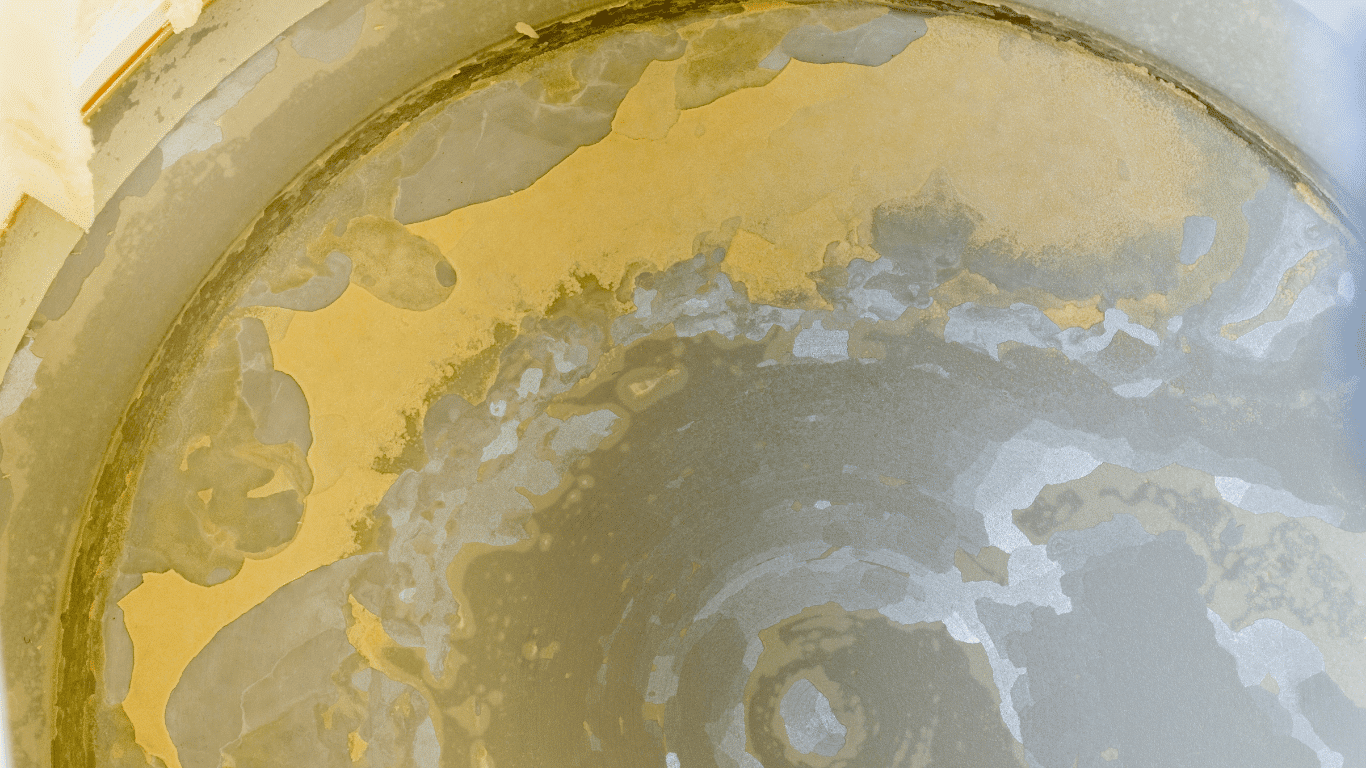
Scale is one of those issues that operators often underestimate until it starts affecting performance. In many industrial water systems, dissolved minerals gradually form deposits on equipment surfaces, restricting flow and reducing efficiency. This is where scale inhibitors come in. They help control mineral buildup before it becomes a problem, protecting critical components and keeping systems running smoothly. A well-managed approach to scale control supports reliable operations, lower maintenance costs, and longer equipment life.
What Scale Is and Why It Forms
Scale forms when dissolved minerals in water systems come out of solution and attach to surfaces. Most of the time, these minerals exist as dissolved ions, such as calcium and bicarbonate, balanced by solubility. Once conditions shift, that balance changes. Calcium carbonate is one of the most common types of scale, and it forms when temperature increases or pressure drops, causing precipitation. As minerals separate from the water, they begin to form solid deposits that stick to metal surfaces.
Over time, this formation process continues as more ions attach to existing deposits, creating layers of scale. Calcium sulfate and other salt-based compounds can also develop under the right conditions, especially in high concentration environments. As crystals grow and harden, they reduce heat transfer, restrict flow, and increase stress on equipment. Left unchecked, even a thin layer of scale can lead to higher energy use and reduced system reliability.
Where Scale Causes Problems in Industrial Systems
Scale tends to show up where it hurts the most, inside pipelines, vessels, and heat exchangers that keep operations moving. As deposits build along internal surfaces, they restrict fluid flow and create uneven conditions across the system. Operators often notice reduced efficiency first, especially when a heat exchanger struggles to maintain proper temperature control. Over time, this added resistance forces equipment to work harder, increasing energy use and wear across critical components.
In the oil and gas industry, the impact is even more pronounced. Scale forms within production systems where production fluids carry dissolved minerals under changing pressure and temperature conditions. As these fluids move through pipelines, scale buildup can reduce flow capacity and disrupt steady production. This leads to more frequent maintenance, higher operating costs, and in some cases unplanned shutdowns. Keeping scale under control is essential for maintaining consistent operations and protecting valuable equipment.
How Scale Inhibitors Work
Scale inhibitors work by interfering with the natural process that allows minerals to form solid deposits. In untreated systems, dissolved metal ions begin to bond and organize into scale crystals as conditions change. Once that structure starts, crystal growth continues quickly, especially on hot or high-pressure surfaces. Scale inhibitors step in at this early stage. Their inhibitor molecules attach to mineral particles and disrupt how these crystals form, keeping them small and unstable instead of allowing them to harden into deposits.
Most inhibitors also act as dispersants. Instead of letting particles settle and stick to surfaces, they keep them suspended in the fluid. This reduces the chance of buildup inside equipment and allows the system to carry these particles out before they accumulate. This approach works even at low concentrations, which is why many programs rely on continuous dosing to maintain protection.
Different types of scale inhibitors are used depending on water chemistry and operating conditions. Phosphate esters are commonly applied in systems with high mineral content because they interact effectively with metal ions and help prevent adhesion to surfaces. When properly selected and applied, these inhibitors provide consistent protection, keeping systems cleaner and more stable over time.
Types of Scale Inhibitors and Applications
Not all scale behaves the same, so scale inhibition programs need to match the specific conditions of each system. In industrial water systems, inhibitors are often selected to control common deposits like calcium-based salts, sulfate scales, and even silica in high-temperature environments. In oilfield applications, the challenge becomes more complex. Produced water and mixed fluids carry a wide range of dissolved minerals, so production chemicals must be carefully chosen to stay effective under changing conditions.
In upstream operations, scale inhibitors are often blended into completion fluids to protect the formation and maintain flow during production. These same completion fluids must remain compatible with reservoir conditions and other treatment chemicals. During drilling operations, early-stage protection can also help reduce long-term buildup risks. Across both industrial and oilfield environments, the key is selecting production chemicals that match the chemistry of the system. When the solution aligns with the water profile, operators can maintain consistent performance and avoid costly disruptions.
Scale vs Corrosion, Why Both Must Be Managed
Scale and corrosion often show up together, and ignoring one usually makes the other worse. When scale forms on a metal surface, it creates uneven deposits that trap moisture and concentrate dissolved salts. This localized environment accelerates corrosion, especially in areas where protective layers break down. As corrosion progresses, it weakens the metal, creates rough surfaces, and makes it easier for more scale to attach. The cycle continues, leading to faster equipment degradation and higher maintenance demands.
A balanced treatment approach is the only way to stay ahead of both issues. Scale inhibitors help control buildup, while a properly selected corrosion inhibitor works to prevent corrosion by forming a protective film over the metal surface. This combination reduces direct contact between the metal and aggressive elements in the environment. When both treatments are aligned with system conditions, operators can maintain cleaner surfaces, extend equipment life, and improve overall system reliability.
Factors That Affect Performance
Even the best treatment program can fall short if operating conditions are not well understood. Temperature plays a major role in how quickly minerals come out of solution, and higher temperature often increases the risk of buildup. Pressure changes can also shift the balance, especially in systems where fluids move through different stages. Operators should keep an eye on the saturation index and concentration levels, since both directly influence how fast deposits begin to form and how aggressive the growth rate becomes.
Most issues with scale control come down to a lack of consistent monitoring and adjustment. Conditions change, and treatment needs to keep up. Teams should regularly check system data, verify dosing levels, and fine-tune control strategies based on real performance. Staying proactive helps prevent small shifts from turning into larger operational problems.
Integrating Scale Control into a Complete Water Treatment Program
Scale control works best when it is part of a complete system approach, not treated as a standalone fix. Chemical treatment plays a key role, but it needs to work alongside the right technology and equipment. Filtration, softening, and membrane processes all support a more stable environment where scale is less likely to form. If you want a clearer picture of how these pieces come together, take a look at ProChem’s treatment systems. The right combination of tools improves overall system performance and keeps conditions within a manageable range.
A strong solution also depends on consistent monitoring, proper dosing, and ongoing maintenance. Custom chemical programs allow operators to adjust treatment based on real system data instead of fixed assumptions. You can explore how tailored approaches improve results here.
Day-to-day execution matters just as much, which is why operations and maintenance support plays a critical role in long-term success. Learn more about service support here. When these elements work together, the entire system stays more reliable, efficient, and easier to manage.
Practical Steps to Improve Scale Control
If you want better results from your scale control program, start with the basics and stay consistent. Review water chemistry regularly, confirm dosing levels, and make sure your scale inhibitors match current operating conditions. Pay attention to changes in flow, temperature, and overall system behavior, since small shifts often signal early scale formation. Operators should also inspect equipment surfaces during routine maintenance to catch deposits before they become a larger issue. These steps help prevent scale, protect equipment, and support safer, more stable operations.
Get in touch with ProChem to review your current system and improve your scale control strategy before performance is impacted further.
