
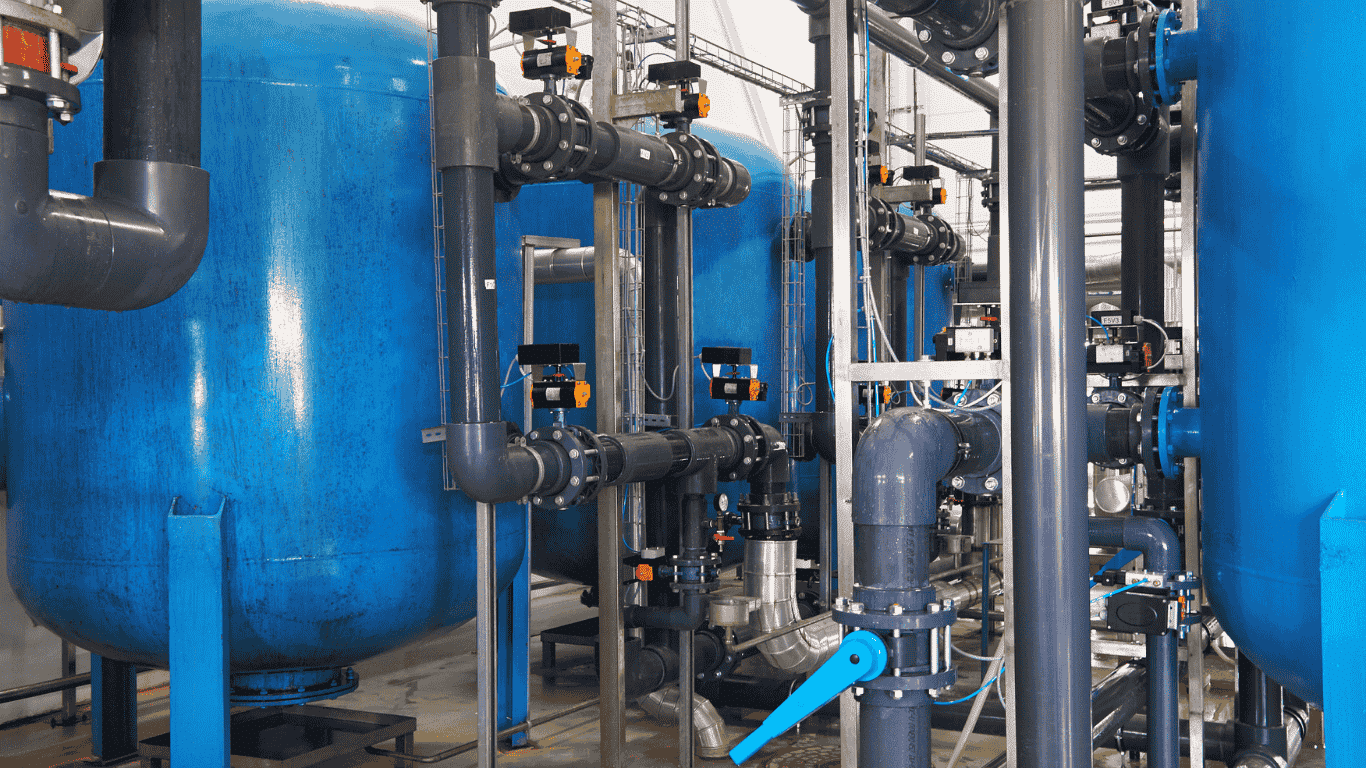
Getting sizing a water softener right is one of those decisions that quietly determines how well an entire water system performs over time. Operators often deal with hard water that carries hardness minerals like calcium and magnesium, which gradually affect water quality and overall system efficiency. When the softener is not properly sized, the system either struggles to keep up with demand or regenerates too frequently, both of which increase operational strain and cost. Over time, this imbalance leads to scale issues and reduced performance across connected equipment.
Why Proper Sizing Matters
When it comes to a water softener, size directly affects how well the entire system performs under real operating conditions. In many facilities, hard water carries high levels of dissolved hardness minerals that form scale buildup on pipelines, heat exchangers, and other critical equipment. When the softener is too small, it cannot consistently handle peak demand, so untreated water slips through and starts creating performance issues. On the other hand, an oversized system can be inefficient in its own way, cycling improperly and wasting resources during regeneration. Either direction creates instability in water quality, and operators usually notice it through recurring maintenance issues and declining system efficiency.
Over time, poor sizing also shows up in everyday operational problems like soap scum, inconsistent hardness level control, and increased strain on downstream systems. A mismatched water softener forces equipment to work harder than necessary, which shortens lifespan and increases maintenance frequency. It also disrupts predictable water treatment performance, making it harder for teams to manage water systems efficiently. In practice, correct sizing helps stabilize flow, maintain consistent soft water output, and reduce long-term operating issues across the entire system.
Key Factors That Influence Sizing
When you start sizing a water softener, the first thing we always tell teams to look at is real demand, not assumptions. The number of people using the system, whether in a facility or a residential setup, directly affects water usage and how much treated output the system must deliver each day. An average water usage baseline helps, but actual consumption often shifts depending on operations, equipment cycles, and peak activity periods. The water supply source also matters, especially if you are working with fluctuating quality or seasonal changes in hardness level.
Another important factor is how water hardness is measured. Most systems use grains per gallon (gpg) to define how much hardness is present in the supply. In industrial design practice, engineers also evaluate ion exchange behavior inside the treatment process as part of system configuration and performance planning, especially when working within structured design approaches like the ProChem system solutions and engineering framework.
Alongside this, flow rate becomes critical because it determines whether the system can keep up with peak demand without allowing untreated water to pass through. When you combine hardness, usage patterns, and flow rate, you begin to build the foundation for proper system selection and reliable long-term performance.
How to Calculate the Right Size
When we walk teams through sizing a water softener, we always start with one simple idea: you are really calculating how many grains of hardness the system must remove before it needs regeneration. That’s where grain capacity becomes the core design point. You take your water hardness (often expressed as a hardness number in grains per gallon) and multiply it by your gallons of water per day. That gives you a daily load in grains, which tells you exactly how much work the system must handle. Once you know that, you can begin to properly determine the right system capacity instead of guessing.
Let’s look at a quick example. If a facility uses 1,000 gallons of water per day and has a hardness of 10 grains per gallon, the system must handle 10,000 grains daily. From there, you compare that number to the grain capacity of a water softener and decide how often it should regenerate. This is where real daily usage patterns matter because fluctuations in demand can shift required sizing. Engineers often refine this calculation using structured sizing methodology found in the ProChem water softener sizing guide, which breaks down capacity alignment and load balancing in real operating conditions.
When you correctly match hardness load with system capacity, you avoid undersized systems that regenerate too often and oversized ones that waste efficiency.
Resin Capacity and Regeneration Cycles
At the core of every water softener is the resin bed, filled with resin beads that do the actual exchange work. These beads attract and hold hardness minerals like calcium and magnesium, allowing softened water to pass through the system. Over time, the resin becomes saturated, and that’s when regeneration cycles come into play. During regeneration, the system flushes the resin using salt, which restores its ability to regenerate and continue removing hardness. The frequency of these cycles is closely tied to proper sizing a water softener, because smaller systems will regenerate more often, increasing salt consumption and operational interruptions. When sized correctly, the system balances capacity and efficiency, reducing unnecessary salt use while maintaining consistent soft water output.
Types of Water Softeners and Efficiency Considerations
Not all water softener systems operate the same way, and that difference plays a big role in sizing a water softener correctly. Traditional systems often rely on higher salt consumption and more frequent regeneration, while high efficiency water softeners are designed to use less salt and optimize exchange cycles. Some facilities also look at salt free water softeners, especially where scaling control is preferred over full hardness removal, although performance depends heavily on application and water quality demands. In practice, choosing the right system comes down to balancing capacity, efficiency, and real demand patterns. An efficient setup reduces operational costs, minimizes downtime, and ensures the system can handle variable water usage without oversizing or undersizing the equipment.
Common Sizing Mistakes + Expert Guidance
One of the most common issues we see when sizing a water softener is assuming bigger is always better. Many operators jump straight to a larger softener, thinking it guarantees reliability, but that often leads to inefficient cycling and wasted resources. Others miss the importance of peak flow rate, which can cause a system to underperform even if overall capacity looks sufficient. Misreading hardness levels is another frequent mistake, especially when water testing isn’t done consistently or accurately. We always recommend using a professional test before finalizing decisions so you can properly match water usage with real demand. Getting the correct size or right size water softener isn’t just about numbers, it’s about understanding how the system behaves under actual operating conditions.
ProChem Support & System Solutions
When teams are sizing a water softener, accuracy depends heavily on how well real operating conditions are understood before final system selection. At ProChem, we focus on actual water usage, flow behavior, and hardness loading so the system is designed around real demand rather than estimates. A professional test helps confirm true hardness levels and ensures the selected water softener matches actual operating requirements.
In many applications, engineers also rely on structured design frameworks that connect treatment performance with system integration, especially when evaluating broader water treatment configurations such as those covered in ProChem’s system solutions and engineering design framework.
Getting the Right Sizing Approach
Getting the right water softener starts with understanding how sizing a water softener directly affects long-term performance, efficiency, and operating cost. When a system is correctly matched to actual hardness levels and real demand, it runs more consistently and avoids unnecessary strain on the system. Poor sizing decisions, on the other hand, often lead to higher maintenance needs, unstable water quality, and avoidable lifecycle costs that build up over time.
This is why proper evaluation should always come before installation or upgrades. Once you understand your actual load conditions, you can avoid guesswork and ensure the system is built for real operating demand.
Need help validating your water conditions or selecting the correct system configuration? Reach out to our team to review your requirements and support your sizing a water softener decision with proper engineering guidance.
