
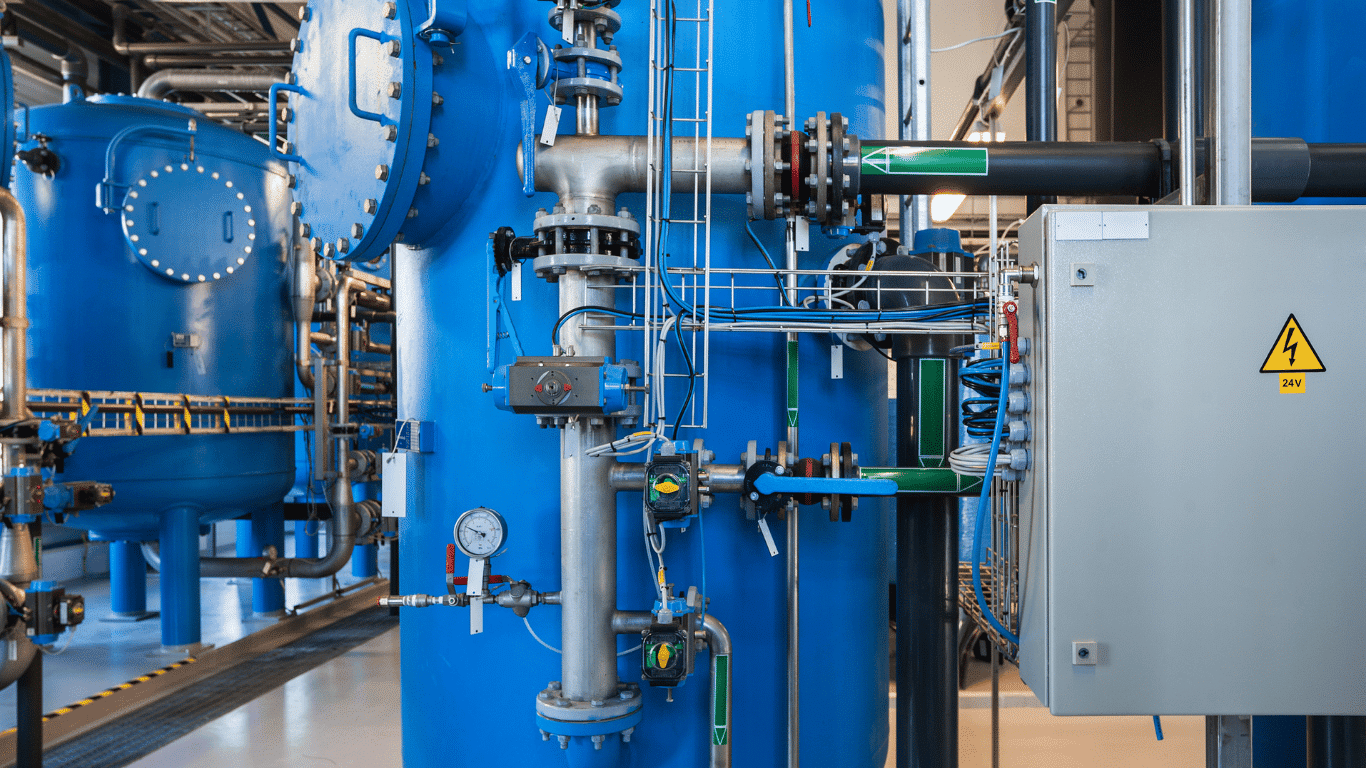
Understanding the parts of a water softener helps you get more consistent water quality, protect plumbing equipment, and keep your system operating efficiently over time. Many facilities and homes deal with hard water every day, often without realizing how much damage hardness minerals can cause inside pipes, heaters, and fixtures. A properly designed water softener supports better water softening performance by reducing mineral buildup and improving the reliability of the entire system. Once you understand how each component works together, it becomes much easier to spot issues early, maintain soft water production, and make smarter decisions about long-term operation and maintenance.
Understanding How a Water Softener Works
Most water softener systems operate through a process called ion exchange. As water flows through the softener, the system targets hardness minerals, mainly calcium and magnesium, that commonly create buildup inside plumbing and equipment. Inside the tank, resin beads attract and capture calcium and magnesium ions while releasing sodium ions into the water. This exchange process is what makes softening water possible and helps reduce many of the problems associated with hardness, including spotting, scale formation, and reduced equipment efficiency.
Over time, the resin beads become saturated and can no longer remove minerals effectively. That is where the regeneration cycle becomes important. During regeneration, the system uses a brine solution to flush trapped minerals from the resin and recharge it for continued operation. Operators should understand this process because proper regeneration directly affects system performance, salt consumption, and long-term reliability. If you want a broader look at how these processes fit into modern treatment strategies, explore water treatment technologies.
The Resin Tank
The resin tank handles the core softening process inside most water softener systems. This tank contains thousands of resin beads that remove hardness minerals from the incoming water supply. As water passes through the resin, the beads attract calcium and magnesium and exchange them with sodium. That process helps reduce water hardness before the water reaches plumbing fixtures, boilers, or other connected equipment. The size of the resin tank, often measured in gallons and grain capacity, directly affects how much water the system can treat before regeneration becomes necessary.
Operators often notice early warning signs when the resin tank starts struggling. Reduced water pressure, inconsistent soft water quality, or frequent regeneration cycles usually point to resin problems or overloaded capacity. Over time, resin beads can foul due to iron, sediment, or improper maintenance. Teams should also watch for channeling inside the tank, where water creates pathways through the resin instead of distributing evenly. Since the resin tank is one of the main components of the entire softening process, maintaining it properly helps extend system life and improve operating efficiency.
The Brine Tank and Salt Storage
The brine tank supports the regeneration process by storing the salt and water needed to create a concentrated brine solution. During the regeneration cycle, the system pulls brine from the tank and sends it through the resin bed to remove accumulated hardness minerals. This step restores the resin’s ability to continue softening water efficiently. The size and capacity of the brine tank often depend on system demand, total gallons treated, and expected salt usage. Larger systems typically require more frequent monitoring to maintain consistent regeneration performance.
Operators should pay close attention to salt levels, salt bridging, and drain performance. A clogged drain line or restricted drain can interrupt regeneration and leave the resin partially exhausted. Many teams first notice problems when the system consumes unusually high amounts of salt or when water quality starts fluctuating between regeneration cycles. Regular cleaning inside the brine tank also helps prevent sediment buildup and keeps the system operating reliably. If you want a closer look at how this process works, review our guide on the water softener regeneration cycle.
The Control Valve and Bypass Valve
The control valve acts as the brain of the water softener system. It directs water flow during normal operation and automatically shifts the system into regeneration when needed. During service mode, the valve sends incoming water through the resin bed for treatment. During regeneration, it changes the flow direction so the brine solution can clean and recharge the resin. Most modern control valve designs use timers, flow meters, or programmed settings to manage water usage and improve overall efficiency. Since this component controls several critical functions at once, even small performance issues can affect the entire system.
The bypass valve serves a different but equally important purpose. It allows operators to isolate the softener from the plumbing system during maintenance or repairs while still keeping the water supply available to the facility. Teams should routinely inspect both valves for leaks, stuck settings, worn seals, and electrical issues that may interrupt operation. A restricted drain line or faulty valve position can also prevent proper regeneration. Staying ahead of these small issues helps protect system components and keeps maintenance more manageable over time.
Additional Water Softener Parts That Matter
Some of the most overlooked water softener parts are also the ones that quietly protect the entire system every day. Filters, injectors, tubing, fittings, and float assemblies all support proper operation behind the scenes. Pre-filters help remove impurities before they reach the resin bed, which improves efficiency and reduces unnecessary wear on internal components. Injectors regulate brine flow during regeneration, while tubing and plumbing connections keep water moving safely through the system. Even small leaks or blockages in these areas can gradually affect performance and increase the risk of scale buildup inside connected equipment.
Operators should include these smaller components in regular inspections, especially after installation or major maintenance work. Cracked fittings, clogged filters, or worn seals often create problems that look like larger system failures at first. Replacing damaged parts early usually costs far less than waiting for a shutdown or loss of soft water quality. Many facilities keep common water softener replacement parts on hand to minimize downtime during repairs. If your operation also depends on broader filtration strategies, explore how industrial water filtration systems support long-term system reliability and optimal performance.
Common Signs a Water Softener Needs Attention
Most water softener problems start with small warning signs that operators or homeowners notice during regular use. Hard water stains returning around faucets, cloudy dishes, or soap that no longer lathers well usually indicate the system is struggling to produce soft water consistently. Some people also notice dry skin after washing or increased spotting around sinks and fixtures. Appliances like dishwashers and water heaters may begin operating less efficiently as scale buildup develops inside the equipment. These issues often appear gradually, which makes them easy to ignore at first.
Teams should treat these changes as early reminders that maintenance may be overdue. Salt bridging, resin fouling, clogged valves, or improper regeneration settings can all reduce system efficiency over time. Many operators first discover a problem when water feels hard again or when mineral deposits appear despite normal operation. Checking salt levels, inspecting the drain system, and monitoring regeneration performance regularly helps maintain better water quality and prevents larger repairs later. Catching these problems early usually keeps the system running more reliably and extends equipment life.
Choosing the Right System for Your Facility or Home
Choosing the right softener starts with understanding your actual water demand, available floor space, and water quality goals. Most water softener systems are sized according to hardness levels, daily gallons used, and the required resin capacity. A system that is too small may regenerate too often, while an oversized unit can waste salt and water unnecessarily. Residential water softeners for a whole house setup usually focus on protecting plumbing fixtures and improving comfort throughout the entire home. Commercial applications often require larger capacity systems that maintain stable water pressure during higher usage periods.
Many teams focus only on equipment size, but layout and operational needs matter just as much. A properly sized system improves efficiency, supports high quality water production, and keeps operating costs more predictable over time. Even one grain increase in hardness can affect equipment performance if the system is not matched correctly to demand.
The right setup should feel practical, reliable, and cost effective for daily operation. If you are evaluating options for a new installation or system upgrade, ProChem can help assess your water conditions and recommend solutions that fit your application more effectively.
