
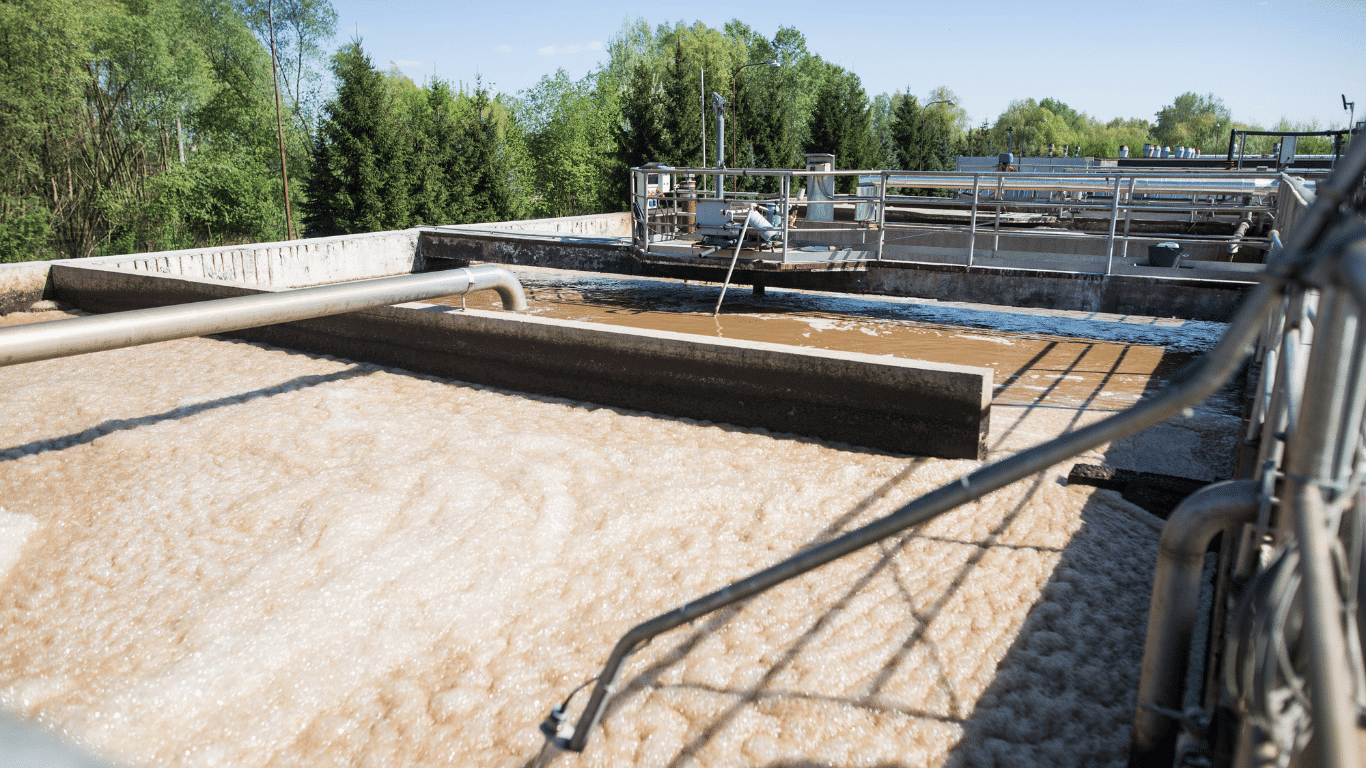
Water plays a central role in the pulp and paper industry, from preparing raw materials and separating fibers to bleaching pulp and forming finished paper. These production activities generate wastewater containing fibers, suspended solids, organic matter, color-causing compounds, and other pollutants. Without proper treatment, these contaminants can affect receiving waters, disrupt aquatic ecosystems, and create compliance challenges for mill operators. Effective pulp and paper wastewater treatment helps facilities manage these impacts while improving water efficiency and supporting reliable production. The right approach starts with understanding the wastewater itself and matching treatment methods to the mill’s operating conditions.
Understanding Wastewater from Pulp and Paper Mills
Pulp and paper wastewater comes from several stages of the production process. Raw material preparation, pulping, washing, bleaching, paper formation, and equipment cleaning can all contribute to the wastewater stream. Each stage introduces different contaminants, so the final wastewater composition depends on the raw materials, manufacturing process, production volume, and chemicals used at the facility.
For example, chemical pulp production can generate black liquor, a concentrated waste stream containing dissolved lignin, organic matter, and pulping chemicals. Black liquor typically requires separate recovery or management because of its high organic loading and potential to interfere with conventional wastewater treatment. Meanwhile, bleaching processes can introduce color-causing compounds and other organic pollutants. Mills that process recycled paper may also generate wastewater containing inks, adhesives, fillers, and additional suspended particles.
The pollutant load can vary significantly between facilities. Some wastewater streams contain suspended solids above 500 mg/L, while chemical oxygen demand (COD) can reach approximately 11,000 mg/L under high-load conditions. Ammonia nitrogen may also occur at elevated concentrations, depending on the process and wastewater source. Studies have identified hundreds of compounds across pulp and paper wastewater streams, including potentially toxic substances such as dioxins in certain process effluents. Operators should therefore characterize each major stream instead of assuming that every mill has the same treatment requirements.
Common Challenges in Wastewater Treatment
One of the main challenges involves removing fibers and suspended solids before they accumulate in equipment or interfere with downstream processes. Fine particles can remain in suspension, while dissolved organic compounds contribute to COD and biochemical oxygen demand (BOD). If operators do not control these loads, microorganisms may consume excessive oxygen during treatment, increasing energy demand and potentially reducing the dissolved oxygen available to aquatic life after discharge.
Color and complex organic compounds create another challenge. Lignin-derived substances can give wastewater a dark appearance and resist removal through conventional biological treatment. Certain bleaching-related compounds may also require additional treatment. In addition, changes in production schedules, raw materials, chemical dosages, or recycled paper content can quickly alter wastewater characteristics. These fluctuations can destabilize treatment performance if operators rely on fixed operating settings.
Discharge requirements add another layer of complexity. Primary and secondary treatment may not remove every pollutant to the level a facility needs. Some mills require tertiary treatment to reduce residual color, dissolved solids, nutrients, or persistent organic compounds. Operators should evaluate permit limits, receiving-water conditions, and potential reuse requirements before deciding how far to treat the wastewater.
Key Treatment Stages and Technologies
Preliminary and Primary Treatment
The wastewater treatment process usually begins with physical separation. Screens and similar equipment remove large debris, fibers, and other materials that could damage pumps or obstruct pipes. Settling tanks can then separate heavier suspended solids from the water. These initial steps reduce the load entering downstream equipment and help biological systems operate more consistently.
Dissolved air flotation (DAF) provides another option for removing suspended solids, particularly lightweight fibers, oils, and particles that do not settle easily. The system introduces fine air bubbles that attach to suspended material and carry it to the surface for removal. Depending on wastewater characteristics and operating conditions, a properly designed DAF system can remove more than 90% of suspended solids. Coagulation and flocculation can improve separation by helping small particles combine into larger, more easily removed aggregates.
Biological Treatment
After physical separation, biological treatment targets biodegradable organic matter that remains in the wastewater. Microorganisms consume organic pollutants and convert them into biomass, carbon dioxide, and other products. Activated sludge systems commonly use aeration tanks and clarifiers to support this process, making them useful for reducing BOD and part of the COD load.
Aerobic biological treatment supplies oxygen to support microbial activity. Operators must maintain suitable dissolved oxygen levels, pH, nutrient balance, and sludge conditions to keep the system stable. Excessive organic loading, toxic compounds, or sudden changes in wastewater composition can disrupt microbial activity. Regular monitoring helps operators identify these issues before treatment performance declines.
Anaerobic treatment offers another approach for wastewater with high concentrations of biodegradable organic matter. In the absence of oxygen, microorganisms break down organic compounds and generate biogas. Some anaerobic systems can reduce COD by approximately 70% to 85% under suitable conditions, although actual results depend on wastewater composition, temperature, retention time, and reactor performance. Facilities may combine anaerobic treatment with aerobic treatment to reduce organic loading while polishing the effluent to meet discharge or reuse requirements.
Chemical and Tertiary Treatment
Chemical treatment helps address pollutants that physical separation and biological processes do not adequately remove. Coagulants, including alum and iron salts, can destabilize fine particles and improve their removal. Operators may also use oxidation to break down selected organic compounds or activated carbon to adsorb residual pollutants. Chemical selection and dosage should follow treatability testing because excessive dosing can increase sludge production, operating costs, and downstream treatment demands.
Tertiary treatment provides additional polishing when the facility needs better effluent quality. Ozone treatment can oxidize color-causing compounds and certain complex organic pollutants. Advanced oxidation processes can also help degrade persistent contaminants when conventional treatment falls short. However, operators should evaluate the specific target compounds, treatment conditions, and potential byproducts before selecting an oxidation process.
Membrane filtration offers another way to improve water quality. Ultrafiltration removes fine suspended particles and colloidal material, while reverse osmosis can remove many dissolved substances. Membrane bioreactors combine biological treatment with membrane separation to produce a higher-quality effluent in a compact system. Although these technologies can support demanding discharge or reuse targets, operators must account for membrane fouling, energy consumption, pretreatment needs, and concentrate management.
Improving Water Reuse and Resource Recovery
Water reuse can reduce freshwater demand in mills that consume large volumes of process water. Depending on the quality requirements, treated wastewater may support equipment washing, selected process applications, or other non-product-contact uses. Some facilities may also consider agricultural irrigation where local regulations, water quality, crop requirements, and public health safeguards permit it. Operators should never assume that treated wastewater suits every reuse application without verifying its quality.
A practical reuse strategy begins with identifying where the facility uses water and what quality each application requires. For example, applications that tolerate higher concentrations of dissolved solids may need less treatment than processes requiring high-purity water. Ultrafiltration and reverse osmosis can help meet stricter requirements, while appropriate monitoring confirms that the recovered water remains suitable for its intended use. ProChem’s industrial water reuse solutions provide a relevant starting point for evaluating water recovery opportunities.
Resource recovery can also improve treatment economics. Anaerobic digestion can convert biodegradable organic matter into biogas, which may support heating or other mill energy needs after appropriate gas handling and conditioning. Actual energy recovery depends on the amount and biodegradability of the organic load, as well as reactor performance. Facilities should assess whether recovered energy offsets operating costs without compromising effluent quality or treatment reliability.
Building a More Effective Treatment Strategy
Start with wastewater characterization. Collect representative samples from important production stages and test parameters such as pH, COD, BOD, suspended solids, color, nutrients, and relevant process-specific contaminants. If production changes significantly, repeat testing to understand how the wastewater profile shifts. These results help teams select treatment methods based on actual conditions rather than assumptions.
Next, evaluate the complete treatment train. Physical separation can reduce solids loading, biological treatment can remove biodegradable organics, and chemical or membrane processes can address remaining pollutants. Pilot testing or treatability studies can help determine chemical dosages, biological performance, membrane requirements, and achievable effluent quality before a facility commits to major equipment changes. ProChem’s industrial wastewater treatment systems offer a relevant reference for evaluating treatment equipment and system configurations.
Finally, establish a consistent monitoring and maintenance program. Track influent and effluent quality, sludge production, chemical consumption, energy use, and equipment performance. Investigate sudden changes instead of responding only when discharge results exceed limits. Operators should also review water reuse opportunities as production needs evolve. This ongoing approach helps the pulp and paper industry maintain reliable treatment performance while controlling costs and reducing its environmental impact.
Treatment Support for Industrial Water Systems
A well-designed system needs more than the right equipment. Chemical selection, operating conditions, preventive maintenance, and ongoing performance reviews all influence how effectively a mill removes pollutants. ProChem provides industrial water treatment systems and chemical programs that can support facilities as they evaluate treatment needs and operational priorities.
For facilities considering improved solids separation, dissolved air flotation water treatment offers further information about a technology that can reduce suspended solids before downstream treatment. The appropriate configuration depends on wastewater testing, treatment objectives, space, operating costs, and discharge or reuse requirements.
Next Step
Effective pulp and paper wastewater treatment starts with understanding the pollutants generated by each production stage and selecting processes that address them in the right sequence. Physical separation reduces suspended solids, biological treatment removes biodegradable organic matter, and chemical or tertiary processes help control residual contaminants. Water reuse and energy recovery can provide additional value when the treated effluent and recovered resources meet the facility’s requirements.
To improve your treatment strategy, begin with representative wastewater testing, establish clear discharge and reuse targets, evaluate suitable treatment technologies, and monitor performance throughout operation. Need help assessing industrial water treatment options? Contact ProChem to discuss a treatment approach that fits your wastewater characteristics, operating requirements, and water management goals.
