
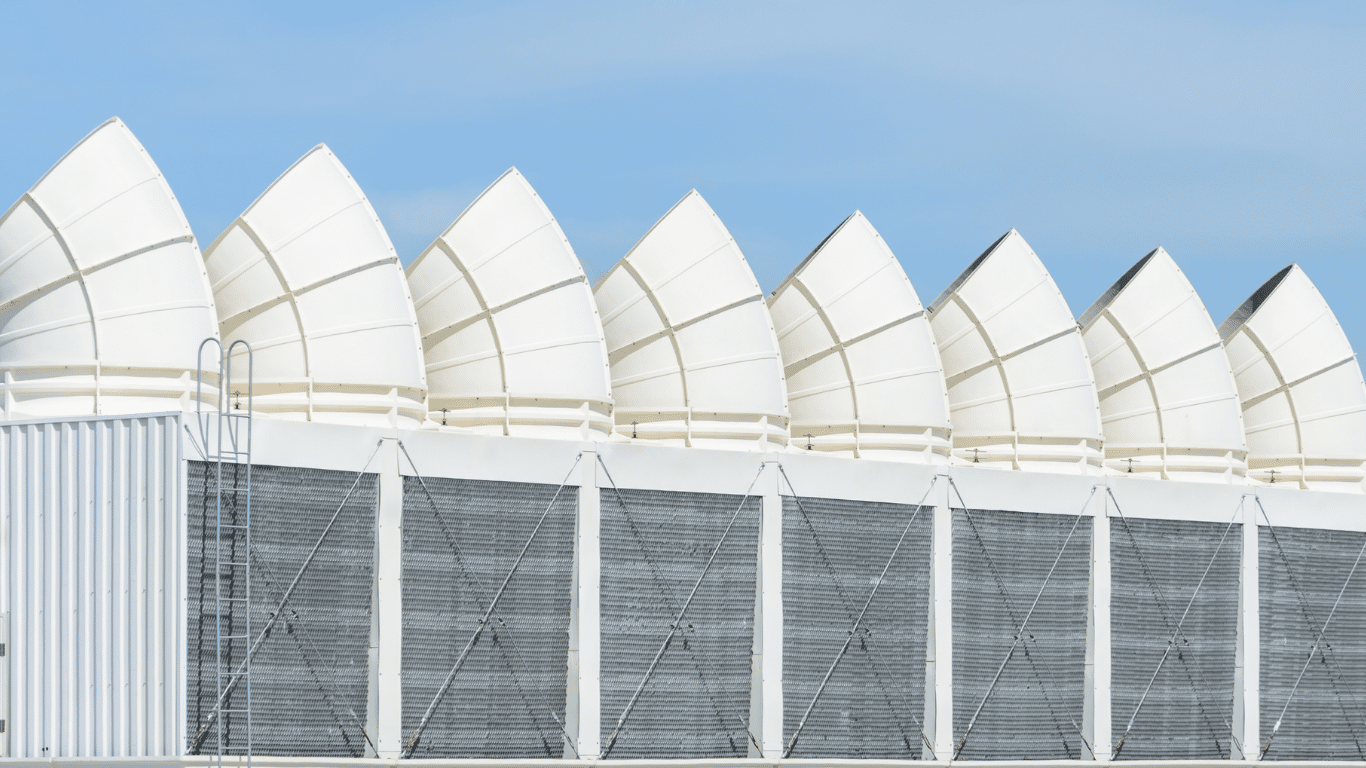
Cooling tower filters play an important role in keeping cooling towers operating efficiently. As cooling water circulates through a cooling system, it picks up dirt, debris, and other contaminants from the surrounding environment. Without proper filtration, these particles can build up over time, affecting performance and placing unnecessary strain on equipment. A well-designed filtration approach helps maintain cleaner water, supports reliable operation, and protects critical components throughout the system. In this guide, we’ll explain how cooling tower filters work, the different types available, and how choosing the right solution can help extend equipment life and improve overall performance.
What Are Cooling Tower Filters?
Cooling tower filters are designed to remove suspended solids, debris, and other contaminants from cooling tower water before they circulate throughout the system. Their main purpose is simple. They help keep cooling water clean so pumps, piping, heat exchangers, and other equipment can operate efficiently. Without an effective filtration system, unwanted particles continue to recirculate, increasing wear and creating conditions that affect overall performance.
One of the biggest challenges for cooling towers is constant exposure to the environment. As air moves through the tower during the cooling process, it carries dust, dirt, pollen, leaves, insects, and other airborne contaminants into the water. Over time, these materials settle in the basin or remain suspended in the water, making them difficult to control without proper cooling tower filtration. As particles continue to accumulate, they can interfere with water flow and contribute to deposits throughout the system.
A properly selected filter captures these unwanted materials before they become larger maintenance issues. Depending on the application, the filtration system may target fine particles, heavier solids, or a combination of both. Combined with a sound water management program, cooling tower filtration helps keep cooling water systems cleaner, supports more reliable operation, and creates better conditions for the rest of the treatment process.
Why Cooling Tower Filtration Matters
Clean water is one of the biggest factors behind reliable cooling tower performance. As dirt, suspended solids, and other contaminants circulate through the cooling system, they begin to settle on heat exchange surfaces and inside heat exchangers. These deposits reduce heat transfer, making the system work harder to remove heat. As efficiency drops, energy costs and operating costs often increase because pumps and other equipment must compensate for the reduced performance.
Dirty cooling water also creates the right conditions for fouling, corrosion, biological growth, and bacterial growth. Fouling restricts water flow, while corrosion gradually damages metal components and shortens equipment life. At the same time, biological deposits can clog passages and protect microorganisms from treatment chemicals, making routine maintenance more challenging. Operators who address these issues early often avoid costly repairs and unexpected downtime.
This is why we recommend looking at filtration and water treatment as partners, not separate solutions. Filtration removes the particles that cloud the water and contribute to deposits, while a well-designed chemical treatment program controls corrosion, scale, and microbial activity. One approach cannot fully replace the other. If you’d like to learn more about protecting cooling tower water, explore our guide on Cooling Tower Water Treatment. Together, these strategies improve energy efficiency, protect equipment, and help cooling systems perform consistently over the long term.
Common Types of Cooling Tower Filters
Not every facility needs the same type of filter. The right solution depends on the type of particles in the water, the required flow rate, available space, and maintenance preferences. Understanding the strengths of each option makes it easier to choose a system that keeps your equipment clean and operating efficiently.
- Sand filters use layers of specially selected sand to capture suspended particles as water passes through the media. They perform well in applications that require continuous filtration of fine debris, although they rely on regular backwashing to maintain performance. Because water must move through the media at the proper rate, maintaining the correct pressure and flow is important for effective filtration.
- Centrifugal separators remove heavier particles by spinning water inside the unit. The centrifugal force pushes solids toward the outer wall, where they collect for discharge. Most centrifugal separators have no moving parts, making them a durable, low-maintenance option. They typically capture particles approximately 40 microns or larger and work well as a first stage of filtration before finer treatment.
- Screen filters pass water through a screen that traps particles larger than the screen openings. In this design, the screen opening determines particle removal, making screen selection an important consideration. Many models include automatic backwash cycles, allowing the filter to clean itself without interrupting normal operation.
- Bag and cartridge filters provide fine, polishing filtration by capturing smaller particles that other filters may miss. They can improve water clarity, but they require manual replacement once the filter media becomes clogged. These filters often serve as a finishing step when facilities need cleaner water for sensitive equipment or critical cooling applications.
Understanding Side Stream Filtration
Many operators assume they need to filter the entire cooling loop at once, but that is not always the most practical approach. Side stream filtration works by continuously treating only a portion of the circulating system water, typically 5 to 15% of the total system flow. As this smaller stream is cleaned and returned to the system, the overall water quality gradually improves without requiring full flow filtration.
This approach offers several advantages for busy facilities. Because side stream filtration operates continuously, it removes dirt and fine particles before they have a chance to accumulate throughout the system. Many high-efficiency stream filtration units can capture particles as small as 0.45 microns, helping maintain cleaner cooling water while operating without shutting down the cooling system. That means facilities can improve filtration without disrupting daily operations.
We often recommend monitoring the system regularly to confirm the filtration equipment is performing as expected. Watch for changes in differential pressure, since a rising pressure drop across the filter can indicate that the media or screen is collecting debris and may need cleaning or servicing. At the same time, keep an eye on water quality trends. Cleaner water helps reduce fouling, limits biological activity, and supports better biological control throughout the cooling system. Although side stream filtration is highly effective, it works best as part of a complete maintenance strategy that also includes proper water treatment, routine inspections, and consistent system monitoring. Together, these practices help keep cooling equipment cleaner, extend equipment life, and maintain reliable performance over the long term.
Choosing the Right Filter for Your Cooling Tower
Choosing the right filter starts with understanding how your cooling tower operates, not simply selecting the finest filtration available. We recommend evaluating your particle size distribution, expected debris load, water quality, required flow rate, operating pressure, and the size of the tower. These factors determine which filtration approach will provide the best balance between performance, maintenance, and operating costs.
Your industry also plays an important role. Data centers often need consistent water quality to support reliable cooling around the clock, while manufacturing facilities may deal with heavier debris loads or process-related contaminants. HVAC applications can face seasonal changes that introduce more airborne material into the system. Matching the filter to these operating conditions helps maintain cleaner cooling water without adding unnecessary complexity.
We also encourage facilities to perform a particle analysis on a quarterly or biannual basis. Reviewing the size and concentration of particles entering the system helps confirm that the current filter is still the right fit or identifies opportunities to improve filtration. While planning upgrades, it is also worth reviewing how the filtration equipment fits into the overall tower design. Our guide to Cooling Tower Components explains how different parts work together and why proper system design supports long-term reliability. Taking a complete view of the system leads to better filtration decisions and more dependable cooling tower performance.
Keeping Filtration Performing at Its Best
Installing a filtration system is only the first step. Consistent maintenance keeps the filter working as intended and helps prevent small issues from turning into costly repairs. We recommend following routine inspections, monitoring operating pressure, and tracking differential pressure across the filter. A noticeable increase in pressure often signals that debris is building up and that the filter needs attention.
Establishing regular cleaning schedules is just as important. Automatic filters should complete their backwash cycles properly, while bag and cartridge filters need timely replacement to maintain consistent performance. Delaying these tasks can reduce filtration efficiency, restrict water flow, and place additional strain on pumps and other cooling equipment. A simple maintenance planning routine makes these activities easier to manage and supports more efficient operation throughout the year.
Real-world results show the value of staying ahead of maintenance. For example, facilities using LAKOS centrifugal separators have reported significant reduced maintenance, with some applications cutting cooling tower maintenance requirements by as much as 95%. In another published example, General Electric extended cleaning intervals to about six weeks after implementing centrifugal separation as part of its filtration strategy. While every facility operates under different conditions, these examples highlight an important lesson. The right filtration equipment, combined with consistent maintenance practices, can reduce unnecessary cleaning, improve reliability, and help cooling systems perform more efficiently over time.
Building a More Reliable Cooling Tower Maintenance Strategy
Reliable cooling tower performance comes from a complete maintenance strategy, not a single piece of equipment. Filtration removes suspended solids and debris, while chemical treatment controls scale, corrosion, and biological growth that filters cannot eliminate on their own. Add regular monitoring and routine inspections, and you have a practical approach that helps identify small issues before they affect the entire system. Together, these practices support effective water treatment, improve operating efficiency, and reduce unexpected downtime.
We also encourage facilities to view filtration as part of a broader preventive maintenance program. Periodic cleaning, equipment inspections, and performance reviews all contribute to cleaner cooling water and more dependable operation. If you’d like additional guidance on keeping your system in top condition, our article on Cooling Tower Cleaning explains practical maintenance steps that help protect equipment and maintain performance over time.
Need help selecting the right cooling tower filters or improving overall cooling tower performance? ProChem Inc. can help you evaluate your system, recommend practical filtration solutions, and develop a maintenance approach that supports reliable, efficient operation and long-term reliability for years to come.
