
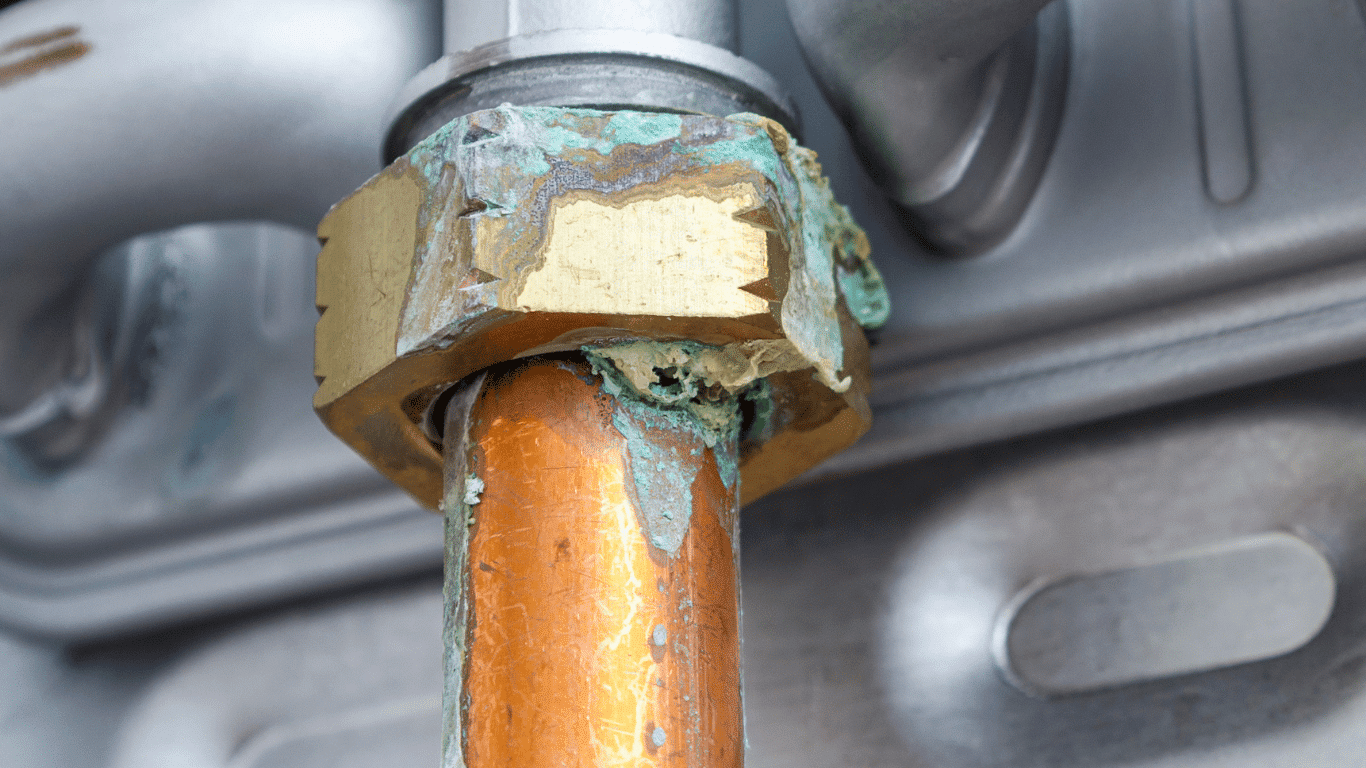
A reliable boiler does more than produce steam or heat. It supports daily operations, controls energy use, and keeps critical processes moving. Still, even well-designed boiler systems can lose efficiency over time if corrosion goes unchecked. Choosing the right boiler corrosion inhibitor is one of the simplest ways to protect your equipment and strengthen your overall boiler treatment strategy. When paired with a consistent water treatment program, it helps reduce unnecessary wear and keeps the system operating with greater confidence.
We often remind facility teams that small problems rarely stay small inside a boiler. Corrosion can develop quietly, then lead to costly repairs, unexpected downtime, and reduced reliability if no inhibitor is in place. The good news is that these risks are manageable with the right approach. Understanding what corrosion does, how it affects your system, and how to choose the right treatment gives you a stronger foundation for long-term performance.
What Is a Boiler Corrosion Inhibitor?
A boiler corrosion inhibitor is a type of chemical added to boiler water to help reduce the conditions that lead to corrosion. As part of a complete water treatment program, these specialized treatment chemicals protect equipment from damage caused by moisture, oxygen, and changing water chemistry. Instead of waiting for rust and deterioration to appear, facilities use corrosion inhibitors as a preventive measure to keep boiler systems operating safely and efficiently over time.
Most boiler inhibitors work by creating a thin protective film on metal surfaces inside the system. This invisible barrier separates the metal from corrosive elements in the water, helping slow the formation of rust and minimizing long-term wear. Some formulations also support stable water chemistry, making it easier to maintain consistent operating conditions. Although no single product fits every application, the right boiler rust inhibitor helps protect metal surfaces throughout the system and supports reliable corrosion protection.
Every boiler operates under different conditions, which is why selecting the right inhibitor matters. Factors such as operating pressure, water quality, system materials, and maintenance practices all influence treatment requirements. A well-planned water treatment program considers these variables instead of relying on a one-size-fits-all solution. With the proper treatment in place, operators can better protect their investment, reduce maintenance concerns, and create the conditions needed for dependable long-term performance.
What Causes Corrosion Inside a Boiler?
Corrosion usually starts when the chemistry of boiler water falls out of balance. One of the biggest contributors is dissolved oxygen, especially when untreated fresh water is added to replace system losses. As oxygen enters the system, it reacts with iron, steel, and mild steel surfaces, gradually forming rust. Low pH makes the problem even worse because acidic water attacks metal more aggressively. These conditions increase the risk of damage long before visible signs appear.
Water movement also plays an important role. Poor circulation can create stagnant areas where oxygen concentrates, leading to localized oxygen pitting. Unlike uniform corrosion, pitting creates deep, narrow holes that weaken metal quickly and often go unnoticed until leaks develop. At the same time, minerals left behind in boiler water begin deposition on heat transfer surfaces. Over time, this buildup develops into scale, creating an insulating layer that interferes with heat transfer and forces the boiler to work harder to produce the same output.
Many operators first notice the effects through declining boiler efficiency, higher fuel consumption, or recurring maintenance issues. Unfortunately, corrosion and scale formation rarely happen independently. As rust and mineral deposits accumulate together, they restrict water flow, trap heat, and place additional stress on the entire heating system. Catching these conditions early through proper water treatment and routine monitoring helps prevent small issues from becoming expensive repairs or unexpected downtime.
How Boiler Corrosion Inhibitors Work
An effective corrosion inhibitor program combines different treatment chemicals, with each serving a specific purpose. Oxygen scavengers remove dissolved oxygen before it can attack metal, while film forming amines create a protective layer that shields internal surfaces from corrosive conditions. In many closed-loop and low-pressure applications, nitrite based corrosion inhibitors are commonly used to protect ferrous metals. Alkalinity builders help maintain the proper pH, and dispersants keep suspended particles from settling into deposits. Together, these products show how boiler inhibitor work extends well beyond adding a single chemical.
The application method is just as important as the chemistry itself. Most inhibitors are injected into the boiler feedwater tank or directly into the feed line, allowing the chemicals to mix thoroughly before entering the boiler. Some treatment program designs also include treatment for the condensate system, where returning condensate can introduce corrosive conditions if left unprotected. The best approach always depends on the boiler type, operating pressure, water quality, and the materials used throughout the system.
Adding chemicals alone does not guarantee reliable results. Operators should perform regular testing to confirm that treatment levels remain within the recommended range. Key parameters such as pH, conductivity, and iron concentrations reveal how well the program is performing and can highlight early signs of corrosion before equipment damage occurs. High-pressure systems often benefit from automated monitoring, while smaller systems may only require scheduled manual checks. Regardless of the system size, consistent water chemistry should always be monitored because ongoing verification is what keeps a treatment program effective over the long term.
Benefits of Using the Right Boiler Corrosion Inhibitor
The biggest benefits of using the right boiler corrosion inhibitor go beyond preventing rust. A well-maintained water treatment program helps preserve clean heat transfer surfaces, allowing the boiler to operate closer to its designed heat transfer efficiency. Better heat transfer means the system uses less fuel to produce the same amount of steam or heat, which supports higher boiler efficiency and helps control energy costs. Over time, these improvements also contribute to longer boiler life and more consistent day-to-day performance.
The right treatment also reduces wear on critical components, leading to fewer repairs and less unexpected downtime. Corrosion and scale can weaken tubes, valves, pumps, and other equipment until they eventually fail. Routine treatment and monitoring provide an added layer of protection, lowering the chance of leaks or even catastrophic failure that could interrupt operations. Facilities that stay proactive often spend less on emergency maintenance, reduce operational costs, and avoid the disruption that comes with unplanned shutdowns. Simply put, maintaining stable water chemistry is almost always more cost-effective than repairing damaged equipment.
Another advantage that is often overlooked is compliance with equipment recommendations. Many boiler manufacturers include water quality expectations as part of their warranty requirements, making consistent treatment an important part of protecting your investment. An effective boiler treatment program supports those requirements while helping operators maintain reliable performance throughout the life of the system. When corrosion prevention becomes part of routine maintenance instead of a reaction to problems, facilities gain greater confidence in their equipment and spend more time focusing on production rather than repairs.
Choosing the Right Treatment Program
No single inhibitor works for every application because every boiler operates under different conditions. An effective treatment program starts with understanding the equipment, not simply selecting a product from a catalog. The boiler treatment approach should consider the operating pressure, the system design, and the materials used throughout the equipment. Corrosion inhibitors that perform well in one application may not deliver the same results in another. Factors such as steel, cast iron, and copper components all influence the chemistry needed to keep the system protected.
System design also affects treatment decisions. Closed loop and open systems face different water quality challenges, and the condensate system deserves just as much attention as the boiler itself. Many central heating systems use boiler inhibitors formulated specifically for recirculating water, while systems with frequent makeup water often require a different strategy. If you’d like to understand why these systems require a different approach, read our guide to closed-loop water systems and how they influence water treatment decisions.
Even the best treatment program requires regular verification. Routine monitoring helps confirm that chemical levels remain where they should be and that changing operating conditions have not affected performance. Depending on the application, operators may use a test strip for quick field checks or laboratory analysis for more detailed results. Nitrite levels should be checked routinely in systems that rely on nitrite-based programs, and adjustments should follow the recommendations of the manufacturer and water treatment specialist. Consistently maintaining good water quality gives your treatment program the best chance of protecting equipment for the long term.
Building a Strong Boiler Water Treatment Strategy
A corrosion inhibitor is an important part of boiler care, but it should never be the entire strategy. Long-term boiler treatment depends on a combination of proper water treatment, filtration, water softening, and routine monitoring. Each step supports the others. Clean boiler water helps treatment chemicals perform as intended, while stable water quality reduces the conditions that allow corrosion and mineral deposits to develop. If you’d like a broader look at building an effective program, explore our guide to boiler water treatment.
A complete program also addresses mineral control. Scale inhibitors work alongside corrosion inhibitors because preventing scale is just as important as preventing rust. When mineral deposits accumulate, they insulate heat exchangers, reduce heat transfer, and place unnecessary strain on pumps, valves, and other system components. Choosing the right treatment chemicals helps keep surfaces cleaner, supports scale prevention, and improves the reliability of the entire system over time.
The most successful facilities treat water management as an ongoing process rather than a one-time adjustment. They review operating data, monitor water chemistry consistently, and make changes before small issues become expensive repairs. This proactive approach protects equipment, improves overall performance, and helps facilities get the most value from their treatment program. To learn more about selecting and managing the right chemistry, read our guide to water treatment chemicals and how they support reliable boiler operation.
Protecting Your Boiler for the Long Term
Keeping a boiler in good condition takes more than responding to problems as they appear. The best results come from paying attention to water chemistry, monitoring treatment performance, and making timely adjustments as operating conditions change. Small actions taken consistently help prevent corrosion and scale from affecting efficiency, reliability, and equipment life. When you stay proactive, your boiler is better prepared to deliver dependable performance year after year.
Every boiler tells a story through its water chemistry, and the sooner you recognize changes, the easier they are to correct. Review your treatment program regularly, monitor key water quality indicators, and make sure your chemical program continues to match your operating conditions. Looking for guidance or want to strengthen your current approach? Talk to us. ProChem Inc. can help you build a solution that fits your facility’s needs.
