
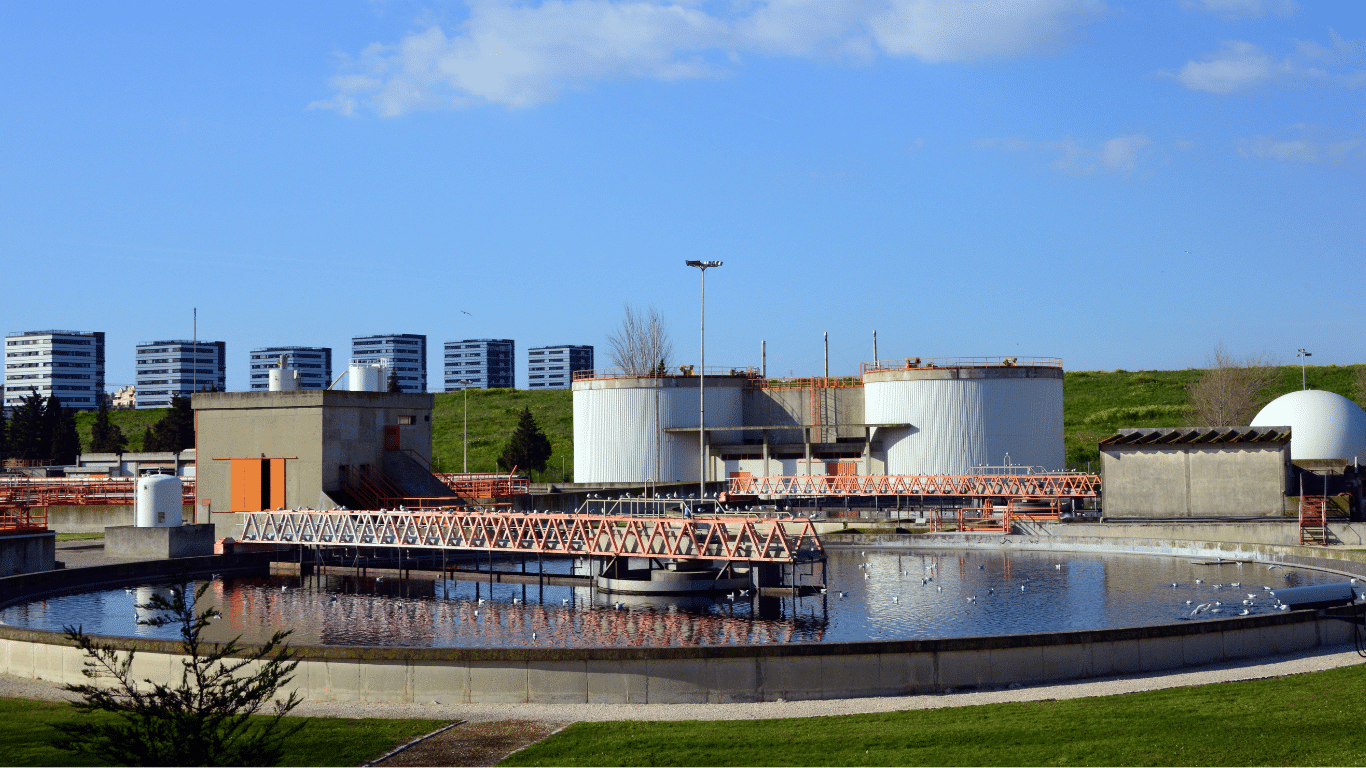
Every successful wastewater treatment process starts with one essential goal, removing unwanted solids from the water. Solids removal plays a critical role in protecting equipment, improving water quality, and helping treatment systems operate more efficiently. When excess solids remain in wastewater, they can reduce performance, increase maintenance needs, and make it more difficult to meet discharge requirements.
We always encourage facilities to pay close attention to solids early in the treatment process. A well-planned approach not only supports reliable day-to-day operations, but also creates better conditions for every stage that follows. In this guide, we’ll look at why solids removal matters, the factors that influence its effectiveness, and what facilities should consider when building a more efficient wastewater treatment strategy.
What Is Solids Removal?
Solids removal is the process of separating unwanted solids from a liquid stream during wastewater treatment. These materials can range from large debris to microscopic solid particles that remain suspended in the water. Some settle naturally because of their size and weight, while others stay dispersed and require additional treatment before they can be removed effectively.
One of the most common types is suspended solids, which include sand, silt, organic matter, and other particles that float or remain mixed within the wastewater. Dissolved materials are different because they exist at the molecular level and do not settle on their own. Understanding the difference helps operators choose the right process for each application and improve overall treatment performance.
We often remind facilities that effective solids removal is about more than producing cleaner water. Removing excess solids early helps protect downstream equipment from wear, clogging, and unnecessary maintenance. It also improves water quality, supports more consistent operation, and helps industrial wastewater treatment systems meet environmental and operational goals more efficiently.
Understanding the Different Types of Solids
Not all solids behave the same way during treatment. Before selecting any equipment or treatment process, operators should first understand the characteristics of the materials they need to remove. Looking at factors such as particle size, density, composition, and how the particles behave in water makes it much easier to choose a treatment strategy that performs reliably.
One of the most common categories is suspended solids, which remain floating in the water because the particles are too small or too light to settle quickly. Dissolved solids are different because they exist at the molecular or ionic level and cannot be removed through simple settling. Volatile solids, on the other hand, consist primarily of organic matter that can decompose or be consumed by microorganisms during biological treatment. Understanding these differences helps operators predict how each material will respond throughout the treatment process.
We always recommend starting with a thorough evaluation of the wastewater before selecting any treatment technology. The size, weight, and composition of the materials entering the system influence everything from equipment selection to chemical dosing and operating conditions. When facilities correctly identify the types of solids they are dealing with, they can improve removal efficiency, protect downstream processes, and achieve more consistent treatment results.
Common Solids Removal Methods in Wastewater Treatment
Most wastewater treatment processes use several methods together because no single approach removes every type of solid. Each process targets specific materials based on their size, weight, and behavior in water. Choosing the right combination helps facilities improve treatment efficiency while protecting downstream equipment.
The first step is often screening, which removes larger particles such as rags, plastics, leaves, and other debris before they enter pumps or treatment equipment. After screening, many facilities rely on sedimentation, where gravity allows heavier suspended solids to separate from the water through settling. This stage typically takes place in sedimentation tanks, which provide enough time and space for solids to collect at the bottom while clarified water flows to the next treatment stage. Stable wastewater flow rates are important here because sudden changes can disrupt settling and reduce separation performance.
Some particles are too small or too light to settle on their own. In these cases, operators use coagulants and polymer-based chemicals to encourage tiny particles to combine into larger masses called flocculated solids. Once these flocs form, they become much easier to remove through sedimentation or other separation methods. We also encourage facilities to monitor hydraulic loading and flow rates closely. Even well-designed treatment systems can lose efficiency if water moves through the process too quickly or if incoming wastewater conditions change significantly.
Advanced Technologies for Enhanced Solids Removal
Some wastewater streams contain fine particles that do not settle easily, even after coagulation and flocculation. In these situations, facilities often turn to advanced treatment technology to achieve enhanced solids removal and produce cleaner effluent. Selecting the right solution depends on the characteristics of the wastewater and the quality goals for the treated water.
One of the most effective options is dissolved air flotation (DAF). During the dissolved air flotation DAF process, compressed air is dissolved into water under pressure before being released into the treatment tank. As tiny air bubbles form, they attach to light solids, oils, and grease, causing them to float to the surface where they can be removed. Because of this approach, DAF systems can achieve excellent removal efficiencies for suspended materials and are often used when gravity alone is not enough. If you’d like a closer look at how this technology works and where it performs best, explore our guide to Dissolved Air Flotation.
Another valuable option is filtration, especially during tertiary wastewater treatment. Media filters and membranes capture smaller particles and some dissolved contaminants that remain after earlier treatment stages. While sedimentation performs well for heavier solids that settle naturally, air flotation is better suited for lighter materials that resist settling. Many facilities combine these systems to achieve effective solids removal, improve overall treatment performance, and consistently produce high-quality effluent through every stage of the solids removal process.
Sludge Thickening and Dewatering
Once solids have been removed from the water, the next priority is managing the resulting sludge efficiently. Since sludge contains a large amount of liquid, transporting or disposing of it in its original form can be expensive. Thickening serves as the first step by concentrating the solids and reducing the overall volume. This makes the next stages of treatment more practical and cost-effective.
After thickening, dewatering removes even more water from the sludge using equipment such as centrifuges, filter presses, or belt presses. Many facilities also add a polymer before dewatering to help fine particles bind together, making it easier for the equipment to separate solids from water. A properly sized dewatering unit can produce a cake like product with a much lower moisture content, reducing handling requirements and improving overall operating efficiency.
Lower moisture content also translates into lower disposal costs because less material needs to be transported and managed. Depending on the sludge characteristics and local regulations, the resulting cake like product suitable for beneficial uses may even be processed for applications such as soil amendments. If you’d like to learn more about dewatering equipment and best practices, take a look at our guide to sludge dewatering.
Improving Solids Removal Performance
Even the best treatment system requires regular attention to maintain consistent results. We encourage facilities to monitor key performance indicators, such as suspended solids removal, sludge production, effluent quality, and system throughput. Tracking these measurements helps operators identify changes early, make informed adjustments, and improve operational efficiency before small issues become costly problems.
Routine maintenance is just as important. Pumps, mixers, screens, and other equipment should be inspected regularly to prevent unexpected downtime and maintain reliable performance. Operators should also review chemical usage to ensure treatment remains effective without overfeeding products. When chemicals are carefully selected and chemicals compared based on wastewater conditions, facilities can improve treatment results while reducing operating expenses.
Wastewater conditions rarely stay the same. Changes in concentration, temperature, incoming flow, and the overall characteristics of the wastewater can all influence how well solids separate from the water. The performance of a mixing system also affects how effectively treatment chemicals interact with contaminants. We recommend reviewing these factors regularly, especially when industrial processes change or production levels increase. A proactive approach helps facilities operate more efficiently, maintain high performance, extend equipment life, and achieve long-term cost savings throughout the treatment process.
Choosing the Right Solids Removal Strategy
No single technology can solve every wastewater challenge. The most effective solids removal strategy depends on the type of wastewater, the composition of the solids, treatment objectives, available space, and expected operating conditions. Facilities should also consider various flow rates, since changes in production or seasonal demand can affect how well a treatment system performs over time.
In many cases, combining multiple systems delivers the best results. Screening, sedimentation, dissolved air flotation, filtration, and dewatering each play a different role in the overall treatment process. When these technologies work together, they improve separation efficiency, protect downstream equipment, and produce cleaner effluent that supports regulatory compliance and long-term operation. If you’re interested in learning more about how complete treatment systems are designed, explore our guide to industrial wastewater treatment systems.
Every facility has unique treatment priorities, and the right approach should reflect those needs. Looking to improve your wastewater treatment performance or planning an upgrade? Talk to us. ProChem Inc. can help you evaluate practical solutions that align with your operation, maximize long-term performance, and deliver lasting benefits for your facility.
