
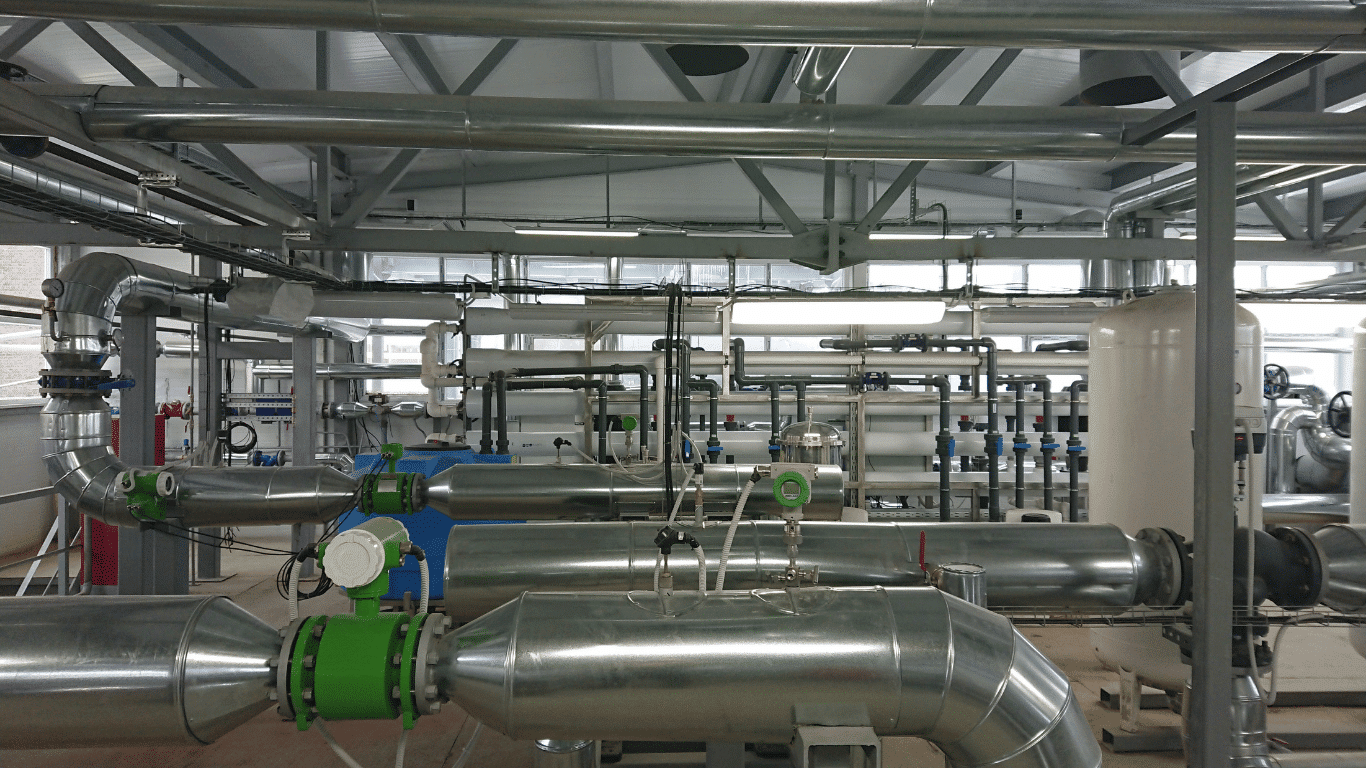
Water quality can change significantly before water reaches the treatment stage that matters most to your facility. Industrial operations generate different wastewater streams, and each one can carry solids, chemicals, minerals, or other substances that affect downstream equipment and treatment performance. That is where water pretreatment becomes important. It prepares the incoming stream for the next stage while helping operators maintain more consistent water quality.
In practice, most facilities should not assume that every wastewater stream can go directly into a treatment system or public sewer. The right pretreatment approach depends on the source, the contaminants present, the volume generated, and the intended destination. When you understand those factors early, you can select treatment systems that support reliable operation instead of reacting to problems after they reach the main treatment process.
Why Industrial Wastewater Needs Pretreatment
Industrial wastewater can contain suspended solids, chemicals, heavy metals, oils, organic matter, and other industrial pollutants that a downstream system may not handle effectively on its own. Some streams also have unusual pH levels or high organic loading. If operators send these contaminants into a treatment process without adequate control, they can increase maintenance demands, reduce treatment efficiency, or damage equipment. Good pretreatment helps protect the treatment process by addressing these concerns before they become larger operational problems.
The same principle applies when an industrial facility discharges to a publicly owned treatment works (POTW). Municipal treatment plants have defined hydraulic, biological, and organic capacity, so they cannot simply accept every industrial wastewater stream without controls. Pretreatment helps prevent pass through and interference, which can occur when pollutants move through a POTW without adequate treatment or disrupt its operation. For industrial users, that makes pretreatment both an operational consideration and an important part of responsible wastewater management.
Common Water Pretreatment Methods
The right pretreatment sequence depends on what you are trying to remove. Operators may start with screening to capture large debris and physical solids, followed by sedimentation when heavier particles or flocs can settle by gravity. Coagulation and flocculation can help destabilize smaller particles so they form larger flocs that are easier to separate. From there, filtration can capture remaining suspended matter through physical media. These processes can significantly reduce the load reaching downstream treatment equipment.
Other applications call for more targeted steps. pH adjustment can help control precipitation and maintain conditions that downstream processes can handle. Adsorption can remove certain dissolved organic compounds through media such as activated carbon, while disinfection can control biological growth when microorganisms could interfere with later stages. The goal is not to install every available method. Instead, you want to match the treatment process to the quality of the source water, the contaminants present, and the requirements of the next stage.
For example, a facility dealing primarily with suspended solids may need a different combination of screening, clarification, and filtration than a facility managing dissolved chemicals or heavy metals. Operators should also consider how each step affects the next one. A properly designed pretreatment train can reduce fouling, improve equipment operation, and produce a more consistent stream for downstream treatment. ProChem’s treatment systems provide examples of technologies that can work together as part of a broader water treatment strategy.
Industrial Pretreatment and POTW Requirements
There is an important distinction between pretreatment as an engineering practice and industrial pretreatment as a regulatory program. From an engineering standpoint, pretreatment means conditioning or removing contaminants before a later treatment stage. In the regulatory context, the term refers to requirements that control pollutants discharged by industrial users to POTWs. The federal framework traces back to the Clean Water Act amendments of 1972. EPA issued initial pretreatment regulations in 1973 and later published the General Pretreatment Regulations under 40 CFR Part 403 in 1978.
The federal program establishes requirements intended to protect POTWs and the environment from industrial discharges that could cause pass through or interference. POTWs with design flows greater than 5 MGD generally must develop approved pretreatment program controls when the applicable federal conditions require one. Smaller POTWs can also require pretreatment controls when significant industrial discharges or site-specific circumstances warrant them. These requirements can include permits, monitoring, reporting, and other control mechanisms.
For industrial facilities, the practical takeaway is straightforward: do not look at your discharge only from the perspective of what leaves your property. You also need to consider what happens after that discharge enters the sewer system and treatment plant. Understanding applicable pretreatment requirements, federal regulations, local requirements, and your discharge permit can help your facility maintain compliance while reducing the risk of disrupting the receiving system.
Who Falls Under an Industrial Pretreatment Program?
Not every industrial user has the same regulatory responsibilities. EPA defines a significant industrial user (SIU) using several criteria. A facility can qualify because it falls under categorical pretreatment standards, discharges an average of 25,000 gallons per day or more of process wastewater, contributes a process wastestream equal to at least 5% of the POTW’s average dry-weather hydraulic or organic capacity, or receives an SIU designation from the control authority based on a reasonable potential to affect POTW operations or violate a pretreatment standard or requirement.
That 25,000-gallon threshold applies to process wastewater and excludes sanitary, noncontact cooling, and boiler blowdown wastewater under the federal SIU definition. This distinction matters because a facility’s total water use does not necessarily equal the amount of process wastewater relevant to SIU determination. Operators should look at individual wastestreams and understand how the receiving POTW evaluates them.
A facility can also fall under categorical pretreatment standards based on the industrial category and processes involved. In other cases, the control authority may determine that an industrial user has a reasonable potential for adversely affecting the POTW’s operation or violating a pretreatment requirement. For that reason, industrial users should review their discharge characteristics and applicable requirements rather than assume that a facility’s size alone determines its obligations.
Building a Practical Pretreatment Program
A strong pretreatment program starts with knowing your wastewater. We recommend beginning with a practical survey of where wastewater comes from, which production processes generate it, what pollutants it may contain, and how those characteristics change throughout the year. That information gives your team a much better foundation for selecting treatment equipment, setting monitoring priorities, and identifying potential compliance concerns.
From there, facilities can establish appropriate local limits, monitoring procedures, sampling schedules, recordkeeping practices, and response procedures. A POTW or other control authority may use these tools to control industrial discharges and protect its collection and treatment systems. Facilities should also understand their discharge permits, reporting obligations, and any specific conditions that apply to their industrial users. A good program should reflect actual operating conditions instead of becoming a generic checklist that nobody updates.
Finally, keep your pretreatment staff involved when production changes. New chemicals, increased production, process modifications, or changes in wastewater volume can alter the characteristics of an industrial discharge. Regular sampling and inspections can help your team identify those changes early. When the treatment process needs additional protection, technologies such as membrane filtration may provide another treatment stage. ProChem’s membrane filtration systems can be considered alongside other treatment technologies based on the specific water quality and process requirements.
Keeping Pretreatment Effective Over Time
Pretreatment should not end when the equipment starts operating. Industrial processes change, production volumes rise and fall, chemical use can shift, and wastewater characteristics can move with them. Operators should watch trends in pH, suspended solids, chemical concentrations, flow, organic loading, and equipment performance. Looking at trends instead of isolated test results can make it easier to catch changes before they affect the larger system.
Routine monitoring also gives your team a clearer picture of how well the pretreatment process supports daily operation. If a filter loads faster than expected, a chemical demand changes, or wastewater quality starts moving outside normal ranges, investigate the cause rather than simply adjusting equipment settings. This approach supports reliable systems, better environmental quality, safer operations, and ongoing compliance.
Connecting Pretreatment to Better Water Treatment
Good pretreatment makes downstream treatment easier to manage. Once larger solids, suspended matter, selected chemicals, or other contaminants receive the appropriate level of treatment, the remaining stream may place less stress on filtration, membranes, ion exchange, or other treatment processes. That can help improve consistency and extend the useful operating period of downstream equipment.
The same principle applies when a facility wants to recover or reuse treated wastewater. A more controlled feed stream can make additional treatment steps easier to design and operate. Depending on the contaminants involved, an ion exchange process may provide another option for removing specific dissolved ions. ProChem’s ion exchange systems can be evaluated as part of a larger treatment strategy when the application calls for that technology.
Choosing the Right Pretreatment Approach
There is no single pretreatment system that works for every industrial facility. Start by determining the source and volume of the wastewater, the pollutants present, the existing treatment equipment, and the final discharge destination. Then review the applicable discharge permits, pretreatment requirements, and pretreatment standards before selecting equipment. It is also worth considering future production changes so the system does not become undersized as the facility grows. A treatment approach that matches actual operating conditions gives your team a stronger foundation for compliance and dependable operation.
Building a More Reliable Industrial Pretreatment Strategy
When reviewing a pretreatment program, start with the wastewater itself. Identify where each stream comes from, what it contains, how much the facility produces, and where the discharge goes. Then match the treatment process, monitoring plan, and operating practices to those conditions. This step-by-step approach helps you avoid unnecessary equipment while still addressing the pollutants that can affect treatment performance and compliance.
Need another set of eyes on your system? Contact us. ProChem Inc. can help you evaluate treatment options and develop a practical approach around your facility’s water and wastewater needs.
