
Heat is part of almost every industrial operation. From manufacturing and food processing to chemical production and power generation, excessive temperatures can affect product quality, slow production, and shorten equipment life. That is why industrial water cooling systems play such an important role. They help facilities remove unwanted heat, support stable operating conditions, and keep critical processes running as expected.
Choosing the right approach to cooling is about more than lowering temperatures. Well-designed cooling systems improve reliability, support consistent performance, and help facilities use industrial water more effectively. Understanding how these systems work gives operators and facility managers a stronger foundation for making informed decisions about performance, efficiency, and long-term operation.
What Are Industrial Water Cooling Systems?
Industrial water cooling systems are designed to remove unwanted heat from machinery, production lines, and other critical equipment. As machines operate, they naturally generate heat that can reduce efficiency or even damage components if it is not controlled. These systems transfer heat away using cooling water, helping maintain a stable temperature so operations continue safely and consistently. An industrial water chiller is often part of this solution because it cools the water before it circulates back through the system, allowing the process to repeat continuously.
Many industrial processes depend on precise temperature management to produce consistent results. Plastics manufacturing, food production, chemical processing, and power generation all rely on effective cooling to protect equipment and maintain product quality. Even small temperature fluctuations can affect production rates, increase energy use, or lead to unexpected shutdowns. Keeping heat under control helps facilities maintain reliable operations while reducing unnecessary wear on valuable assets.
The basic operating principle is straightforward. Cooling water absorbs heat from equipment through a closed circulation process, then releases that heat before returning to repeat the cycle. This continuous process keeps operating temperatures within the desired range and supports dependable performance throughout the facility. When matched to the application’s requirements, the right cooling solution improves process stability, protects equipment, and helps facilities achieve consistent results over the long term.
Main Components of an Industrial Water Cooling System
Every industrial water cooling system includes several components that work together to remove heat efficiently. At the center of the system is the chiller, which uses a refrigeration system to cool a circulating liquid, typically cooling water or another suitable coolant. Inside the chiller, a refrigerant absorbs and releases heat as it changes state, allowing the system to maintain the desired water temperature. From there, the cooled liquid travels through the system to absorb heat from equipment before beginning the cycle again.
A heat exchanger plays a key role by transferring heat from the equipment to the cooling water without allowing the two fluids to mix. Pumps keep the water moving at the proper flow rate and pressure, ensuring heat is removed consistently throughout the process. The cooled water then travels through a network of pipes, while a reservoir provides a stable supply of liquid and helps accommodate changes in system demand. If you’d like a closer look at how pumps support reliable circulation, our guide to Industrial Water Pump explains their role in industrial cooling systems
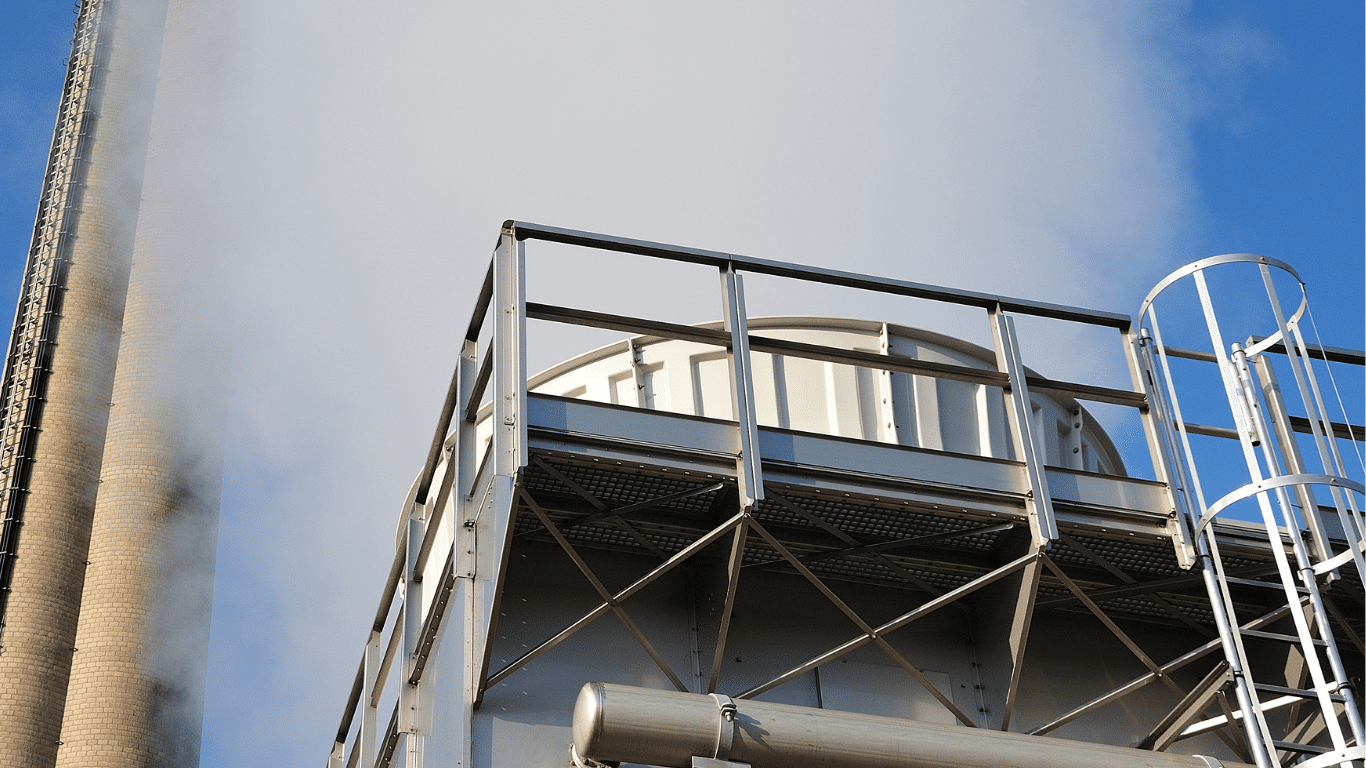
Many facilities also incorporate cooling towers to reject the collected heat before the water returns to the chiller for another cycle. Together, these components create a continuous process that keeps temperatures stable and supports dependable operation. When each part is properly sized and maintained, the entire system operates more efficiently, reduces unnecessary strain on equipment, and delivers reliable performance over the long term.
Common Types of Industrial Water Cooling Systems
Not every facility has the same cooling requirements, which is why several types of industrial water cooling systems are available. The right choice depends on your process, available space, utility costs, water supply, and operating environment. Most facilities choose between water cooled chillers and air cooled chillers, while the overall system may operate as either a once-through or closed-loop design. Understanding how each option works makes it easier to select a solution that delivers reliable performance and long-term value.
Water cooled chillers use cooling towers to reject heat from the refrigeration system, making them highly efficient for large facilities with continuous cooling demands. They circulate chilled water through the process and generally provide greater cooling capacity than air cooled alternatives. In contrast, air cooled chillers rely on ambient temperature and fans to cool the refrigerant, eliminating the need for a cooling tower. These air based systems often require less installation infrastructure and simpler maintenance, making them a practical choice where water availability is limited. Regardless of the design, an industrial water chiller provides the cooling power needed to keep equipment operating within the desired temperature range.
Once-through water systems draw water from a natural source, use it to absorb heat, and then discharge it after a single pass. Although effective in some applications, they consume significantly more water and are subject to stricter environmental regulations. Closed-loop systems continuously recirculate the same water, requiring only occasional makeup water. This design reduces water use, improves operational efficiency, and helps maintain more consistent cooling performance over time.
| System Type | How It Removes Heat | Best For | Key Consideration |
|---|---|---|---|
| Water cooled chillers | Cooling towers remove heat from chilled water | Large industrial facilities | Higher efficiency, requires a reliable water source |
| Air cooled chillers | Ambient air cools the refrigerant | Facilities with limited water access | Easier installation, may be affected by outdoor temperatures |
| Once-through systems | Fresh water passes through once before discharge | Applications with abundant water supply | Higher water consumption and regulatory considerations |
| Closed-loop systems | Recirculates the same cooling water | Most modern industrial facilities | Conserves water and provides consistent performance |
Benefits of Industrial Water Cooling Systems
The biggest advantage of well-designed industrial water cooling systems is improved energy efficiency without sacrificing performance. Keeping equipment within its recommended operating temperature allows it to work more efficiently, even during demanding production schedules. Many facilities also benefit from precise temperature control, which supports consistent product quality across a wide range of industrial applications. When a cooling system is properly sized for the required capacity, it avoids unnecessary energy use while maintaining stable operation throughout the process.
Effective cooling also improves reliability and extends equipment life. Excess heat places additional stress on pumps, motors, bearings, and other critical components, often leading to premature wear and unexpected failures. Removing heat consistently helps reduce downtime, lowers repair costs, and improves overall system performance. Some facilities even capture waste heat and reuse it in other operations, turning excess thermal energy into a valuable resource instead of allowing it to go unused. If you’d like a deeper understanding of how heat moves through industrial systems, our guide on Heat Transfer Fundamentals explains the principles behind efficient cooling.
Over time, these benefits add up. A well-maintained cooling system can save energy, reduce operating expenses, and provide more dependable performance throughout the facility. Even small improvements in cooling efficiency can have a noticeable impact on production costs and equipment longevity. Investing in the right design and maintaining it properly helps facilities operate more energy efficient while supporting reliable production for years to come.
Water Quality Matters More Than Most Facilities Think
Many cooling problems begin with water quality, not mechanical failure. As cooling water circulates through the system, dissolved minerals, debris, and contaminants can form scale or cause fouling on heat transfer surfaces. Even a thin layer of buildup reduces cooling efficiency and forces equipment to work harder. In closed-loop systems, magnetite can also develop as a result of ongoing corrosion, restricting flow and reducing heat transfer. Over time, these issues increase operating costs and make it more difficult to maintain consistent performance.
Another factor that often goes unnoticed is dissolved oxygen. While essential in many environments, oxygen accelerates corrosion inside pipes, heat exchangers, and other metal components when left unmanaged. Effective chemical treatment helps control these risks through the use of corrosion inhibitors, scale control products, and routine water testing. Keeping clean water in the system also helps stabilize operating pressure, protects valuable equipment, and reduces unnecessary water consumption caused by leaks, blowdown, or poor system efficiency. If you’d like to learn more about protecting recirculating systems, our guide to Cooling Tower Water Treatment explains the treatment practices that keep cooling water in top condition.
Good water quality is not something facilities should treat as an afterthought. It is one of the most practical ways to improve reliability and extend equipment life. We encourage operators to make water analysis, preventive maintenance, and treatment program reviews part of their regular operating routine. Facilities that stay ahead of scale, corrosion, and fouling often experience fewer unexpected shutdowns, lower repair costs, and more dependable performance across their plants.
Choosing the Right Cooling System for Your Facility
Selecting the right cooling system starts with understanding your operation, not simply choosing the largest unit available. Every facility has different specific needs, from the required capacity and production schedule to available utilities and future expansion plans. The building layout also plays an important role because equipment placement, available mechanical space, and airflow can affect installation and long-term performance. In addition, ambient conditions and water availability should always be considered, especially for facilities operating in regions with high temperatures or limited water resources. Taking the time to evaluate these factors helps you choose a solution that supports both current operations and future growth.
We recommend looking beyond the initial cost and considering the total value the system will provide over its lifespan. An option that performs well across a wider operating range may reduce operating expenses, simplify maintenance, and provide greater flexibility as production demands change. The best results come from matching the cooling system to the process rather than expecting one design to fit every application. When facilities rely on a system that aligns with their operational goals, they gain more consistent performance, improved reliability, and better long-term efficiency.
Keeping Cooling Systems Reliable Over Time
Reliable cooling does not happen by chance. It comes from consistent monitoring and preventive care. We recommend inspecting temperatures, flow rates, and system pressure regularly to catch small issues before they affect production. Routine flushing removes sediment and other deposits that reduce heat transfer, while proper water treatment helps control scale, corrosion, and biological growth. Operators should also inspect cooling towers, pumps, valves, and piping for signs of wear or leaks. These simple checks help maintain system efficiency, improve equipment reliability, and keep water systems operating as intended across a wide range of facilities.
A proactive maintenance plan always costs less than reacting to an unexpected shutdown. Regular inspections, water testing, and performance reviews make it easier to identify opportunities for improvement before they become expensive repairs. Instead of waiting for performance problems, review your cooling strategy on a regular basis and make adjustments as operating conditions change. Evaluating an existing system or planning a new installation? Talk to us. ProChem Inc. can help you develop a practical water treatment and cooling solution that supports reliable operation, lower operating costs, and long-term equipment protection.
