
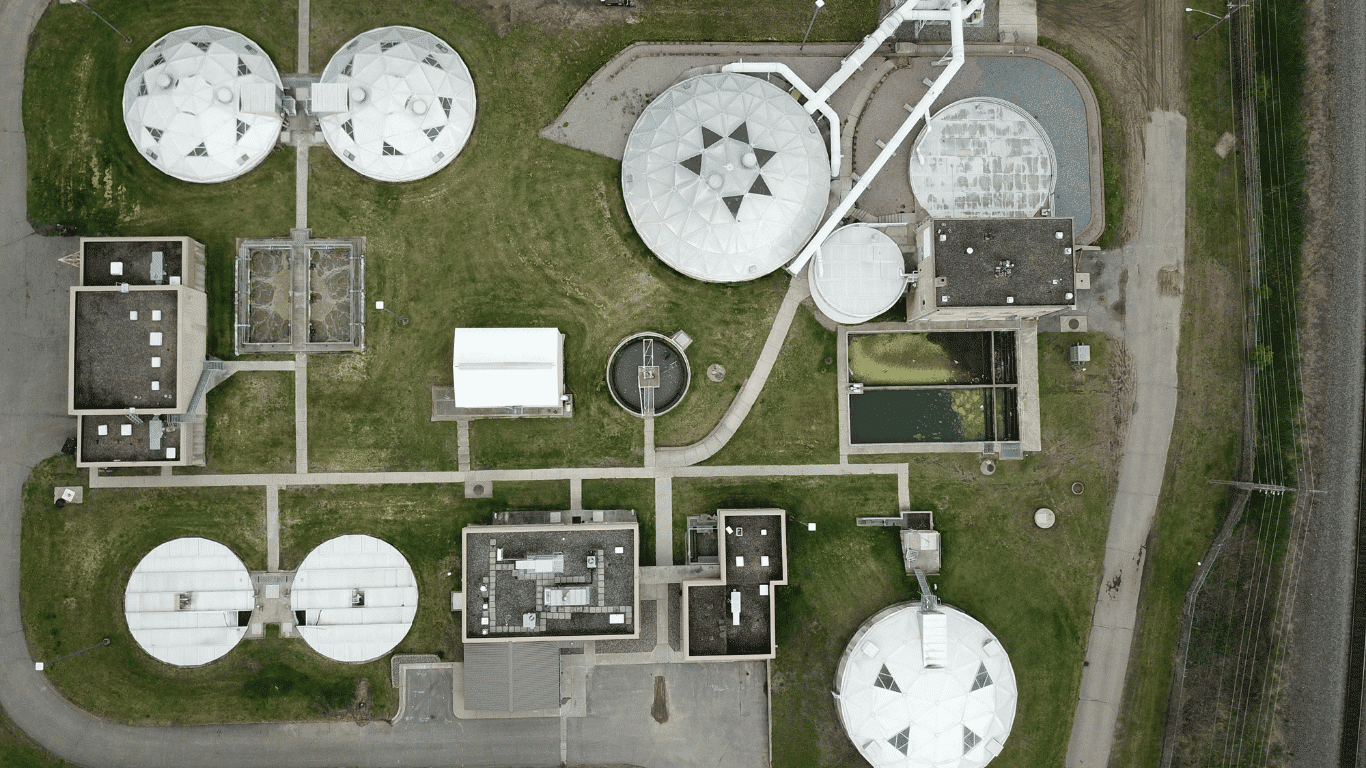
Grit enters a wastewater treatment plant with the influent and can quickly become a problem if operators do not capture it early. Sand, gravel, and other dense particles travel with wastewater and settle differently from lighter organic solids. As these particles move through the treatment process, they can accumulate in tanks, channels, and equipment, taking up valuable capacity and creating avoidable operating challenges. This makes grit removal in wastewater treatment an important part of keeping the treatment train working as intended.
The challenge is not simply the amount of grit entering the plant. Its size, density, and composition can vary with site conditions and influent characteristics. Operators need to understand what their wastewater carries and how those solids behave once they enter the plant. A good approach starts with identifying the grit load early, then managing it before it reaches processes and equipment that were not designed to handle it.
What Is Grit in Wastewater?
Grit generally refers to dense particles that enter a treatment plant with the influent and settle faster than most organic solids. Common examples include sand, gravel, and other inorganic material that wastewater picks up along the way. Some organic material can also behave like grit when it has enough density, including eggshells and even coffee grounds. For operators, the important distinction comes down to how these particles behave in the wastewater, not simply what they are made of.
Grit particles can range from roughly 140 microns to more than 1,588 microns, so their size can vary considerably. Fine grit presents a particular challenge because smaller particles can remain suspended longer and move farther into the treatment process. Conventional grit often assumes a specific gravity similar to silica sand, around 2.65, which helps explain why these particles settle differently from lighter solids. Understanding particle size and density gives operators a better basis for evaluating grit removal performance.
The composition of grit can also vary significantly from one facility to another. Geography, weather, site conditions, industrial activity, and the characteristics of the influent all affect the type and amount of material entering the plant. A facility may see more sand after heavy rainfall, for example, while another may regularly receive fine grit from an industrial process. Knowing what those particles look like and how they behave helps operators make better decisions about removal.
How the Grit Removal Process Works
The basic grit removal process starts when wastewater enters a designated separation area, such as a grit chamber. Operators manage the flow and velocity so heavier particles have enough time to settle while lighter organic solids remain in suspension and continue through the treatment process. The goal is to create conditions where grit settles predictably without pulling too much organic material out of the wastewater.
Most grit removal relies on gravity, sedimentation, or controlled hydraulic forces. Heavier particles naturally move toward the bottom when the water slows to the right velocity. Operators then collect and remove the accumulated material from the chamber. The amount of removed grit depends on several factors, including particle size, density, flow conditions, and the design and operation of the separation system. A system that runs outside its intended conditions may allow more grit to pass downstream.
Flow conditions can change throughout the day, particularly at wastewater treatment plants that experience significant variations in influent volume. Higher flows can increase velocity and keep particles suspended, while lower flows give more particles time to settle. Operators should account for these changes when evaluating removal performance. Consistent monitoring helps identify when the system captures grit effectively and when changing conditions may reduce its overall performance.
Common Grit Removal Systems
A horizontal-flow grit chamber uses a controlled channel and consistent velocity to give heavier particles enough time to settle. Operators aim for a flow rate that allows grit to drop out while lighter organic solids continue downstream. This approach works well when the system maintains the intended hydraulic conditions, but changes in flow can affect removal performance. The chamber design, particle size, and specific gravity of the grit all influence how well the system performs.
An aerated grit chamber adds air to the wastewater and creates a spiral flow pattern. The movement helps separate dense grit from lighter organic solids, which can remain suspended and continue through treatment. Because the aerated environment can handle changing flow conditions effectively, this grit removal system can suit facilities with variable influent rates. Operators still need to monitor airflow and hydraulic conditions because poor control can reduce effectiveness and allow more grit to pass through.
Vortex and other centrifugal systems use hydraulic forces to direct grit toward the bottom of the grit chamber for collection. These systems can provide efficient separation within a compact footprint, which can help facilities where space is limited. Hydrocyclones use centrifugal force to target fine grit and can support applications focused on removing fine grit from wastewater. No single grit removal system works best for every facility. Particle size, flow conditions, available space, system design, and operating control all affect how well different systems perform.
Why Grit Removal Protects the Rest of the Plant
When a plant does not capture enough grit early, abrasive particles can travel into pumps, pipes, valves, channels, clarifiers, and other mechanical equipment. Over time, this movement can cause abrasion and wear on components that handle wastewater every day. Grit can also accumulate in tanks and pipelines or clog narrow passages, creating problems that operators may need to address before they affect production or treatment capacity.
That is why grit removal plays an important role in protecting downstream equipment and keeping downstream processes on track. Sand and other dense particles can damage moving components, increase friction, and contribute to premature repairs. In some environments, abrasive material can also expose equipment surfaces to conditions that contribute to corrosion. Keeping grit out of the rest of the treatment train can help control maintenance costs and extend equipment life. If you are reviewing the equipment throughout your treatment train, our guide to wastewater treatment equipment provides additional context.
It is also important to keep expectations realistic. Grit removal systems do not remove every suspended solid, and they are not designed to replace other solids-removal steps. Their purpose is to target heavier, inert grit that can create disproportionate operational problems if it moves downstream. When operators consistently capture and handle this material early, they give the rest of the plant a better chance to operate reliably.
Operating and Maintenance Considerations
Good maintenance starts with knowing what is happening inside the grit removal system, not just scheduling routine cleaning. Operators should watch for unusual grit accumulation, changes in flow, poor collection, and signs that re-suspension is sending previously settled grit back into the wastewater. A sudden change in the amount of removed grit can also point to an operating issue. Tracking these patterns helps teams catch problems before they affect downstream processes or treatment capacity.
Grit handling equipment needs attention as well. Augers, pumps, conveyors, and other components can experience wear and mechanical breakdowns when they handle abrasive material continuously. Regular inspection, cleaning, lubrication where appropriate, and timely repair help equipment operate as intended. Teams can also use predictive maintenance technologies to identify early signs of equipment problems and plan maintenance before a failure interrupts plant operation.
Poor grit management can create a much larger problem when material reaches tanks or process units such as anaerobic digesters. Grit can build up alongside sludge, reduce usable volume, and increase the amount of manual handling and cleaning required. In some cases, industry estimates place digester grit-cleaning costs in the range of $100,000 to $200,000, although actual costs vary significantly by facility and project. A consistent approach to grit removal and maintenance can help avoid that level of disruption.
Choosing and Optimizing a Grit Removal Approach
Choosing a grit removal system starts with understanding the conditions inside your plant, not simply comparing equipment specifications. Look at influent and peak flow, expected grit loading, particle size distribution, and specific gravity to understand how much grit the system needs to handle. From there, consider available footprint, required removal performance, grit handling and disposal, and maintenance needs. Facilities with less space may favor compact systems, while others may prioritize hydraulic flexibility or higher removal performance. Existing downstream equipment also matters because the right system should support the needs of the entire treatment train.
The operating factors that affect effectiveness should guide the final selection. A system that maintains the right velocity for the expected particles can perform more consistently than one selected only for its nominal capacity. Teams should also consider how the system will integrate with existing processes and equipment. For a closer look at site-specific planning, ProChem’s industrial wastewater treatment systems approach can help facilities evaluate treatment needs as a complete system rather than treating grit removal as an isolated component. The goal is better overall effectiveness, reliable operation, and a system that fits the actual demands of the treatment plant.
Practical Steps for Better Grit Management
Start with the influent. Characterize the grit load, particle sizes, and expected flow, then compare normal and peak conditions. Confirm that the grit removal system operates at its intended velocity and check collection and removal equipment regularly. Track how much grit gets removed, where accumulation occurs, and whether signs of grit are appearing around downstream equipment. These observations give operators useful information for adjusting maintenance to actual treatment plant conditions.
If grit continues to cause problems, look at the complete process rather than focusing on one component. Review the grit chamber, flow conditions, collection equipment, and downstream treatment stages together. Strong grit removal in wastewater treatment should help protect equipment and support reliable operation throughout the plant. Grit keeps showing up where it should not? Contact us. ProChem can help you evaluate the treatment process, identify where removal is falling short, and develop a practical approach for improving plant performance.
Frequently Asked Questions (FAQ)
How much grit can a wastewater treatment plant expect to remove?
The amount varies with influent conditions, grit loading, particle size, and system design. Grit removal targets heavier, denser particles rather than all suspended solids, so operators should evaluate performance based on the specific grit entering their plant. Changes in weather, flow, and wastewater characteristics can also affect the amount captured.
What happens when grit removal systems do not remove fine grit?
Fine grit can remain suspended and travel into pumps, pipes, valves, and other downstream equipment. Over time, this material can accumulate, increase abrasion and wear, and reduce the efficiency of downstream processes. Persistent fine grit can also create additional cleaning and repair requirements.
How does flow affect grit removal?
Flow directly affects velocity and settling. Higher flow can keep particles suspended and increase the risk of grit re-suspension, while lower flow gives heavier particles more opportunity to settle. Aerated systems can handle varying flow rates, but operators still need to monitor hydraulic conditions and adjust operation when conditions change.
Can grit removal systems reduce wastewater treatment maintenance costs?
Effective grit removal can reduce abrasion and wear on pumps, valves, pipes, and other equipment. Removing abrasive material early can also limit accumulation, reduce manual cleaning, and lower repair requirements. Over time, these benefits can help control maintenance costs and extend equipment lifespan.
What should operators consider when selecting a grit removal system?
Consider influent flow, particle size, specific gravity, grit composition, available space, system capacity, and grit handling requirements. Existing equipment and overall treatment objectives also matter. A system designed around actual plant conditions generally provides better removal and more reliable operation.
