
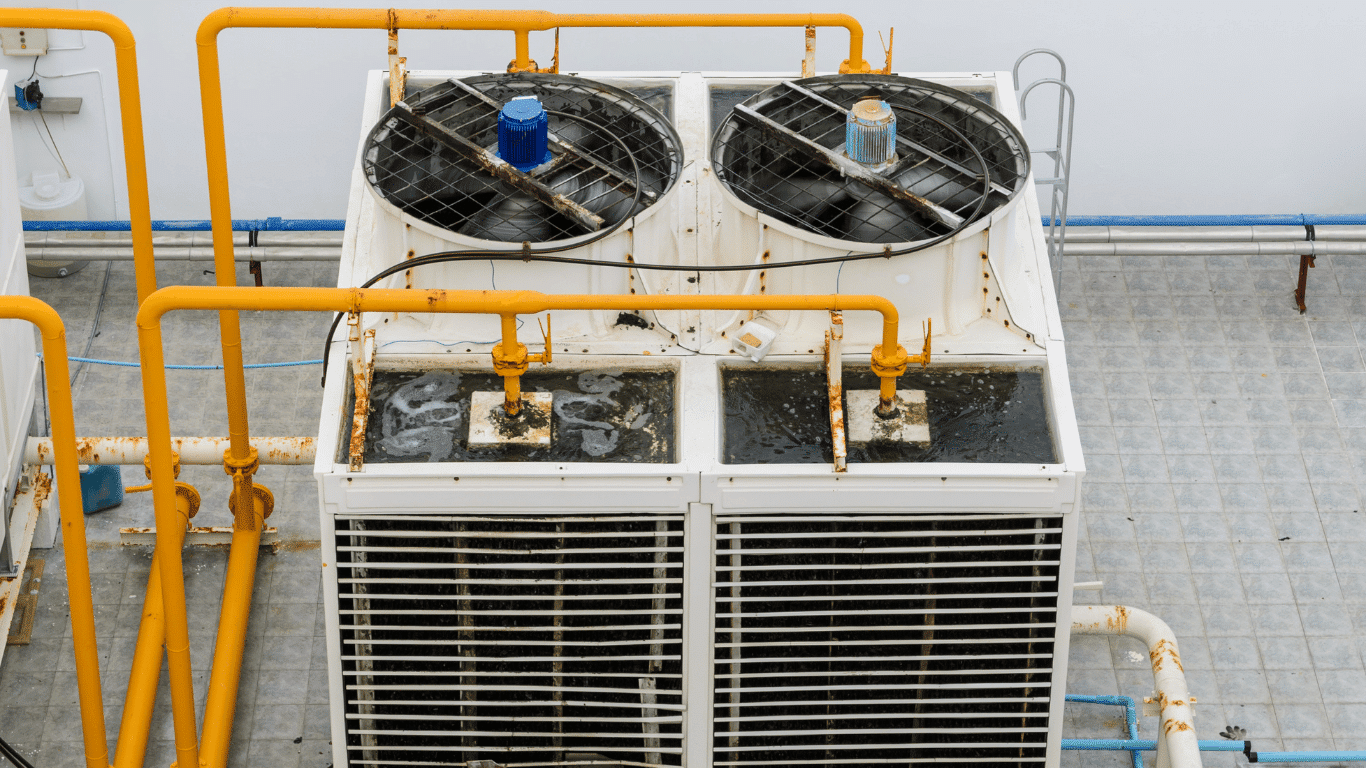
Industrial cooling keeps equipment operating within the temperature range it needs to perform reliably. In manufacturing plants, processing facilities, and other industrial operations, effective cooling protects equipment, supports consistent production, and helps control energy use. When a cooling system works properly, operators can focus on production instead of reacting to unexpected temperature changes or equipment interruptions.
However, cooling system problems can develop gradually. A small change in temperature, coolant flow, water quality, or equipment behavior may signal a larger issue developing within the system. Paying attention to these changes gives teams an opportunity to investigate the cause early, protect system performance, and reduce unnecessary wear on critical equipment.
Restricted Coolant Flow and Circulation Problems
Proper circulation keeps heat moving away from critical equipment. When coolant flow drops below the system’s expected rate, temperatures can rise and equipment can work harder than intended. A water pump circulates coolant through the system, but the pump is only one part of the circulation path. Valves, piping, strainers, heat exchangers, and other components can restrict flow when they become clogged, fouled, or damaged. Even a small restriction can affect overall system performance.
When you notice low flow, do not immediately assume you have a faulty water pump. Start by comparing the actual flow rate with the system’s normal operating range. Check valves, piping, strainers, and heat-transfer surfaces for restrictions or fouling. Also listen for unusual pump noise and look for changes in pressure or temperature. These checks can help you determine if the problem starts at the pump or somewhere else in the circulation path. Our guide to industrial water pumps provides additional guidance on pump selection and performance.
A malfunctioning water pump can certainly cause trouble. A failing water pump may struggle to maintain pressure, circulate enough fluid, or operate continuously under load. In some cases, internal wear or a mechanical fault can stop circulation altogether. However, operators should investigate the entire flow path before replacing equipment. Catching restricted flow early can prevent a localized issue from developing into a broader cooling system failure and help keep the system operating reliably.
Leaks, Low Coolant Levels, and Fluid Loss
Coolant leaks are easy to dismiss when the system still appears to be running normally, but they often signal a problem that deserves attention. Start by checking coolant levels at the reservoir or designated level indicator, then look for visible leaks around piping, fittings, seals, pumps, and connections. Low coolant levels can reduce the system’s ability to transfer heat effectively, so adding makeup fluid should not replace finding the source of the loss.
Next, inspect hoses and connections for wear. Damaged hoses can develop cracks, soft spots, or bulges that allow coolant to escape under pressure. In automotive systems, technicians often inspect radiator hoses and look for a cracked radiator, while industrial systems may use different piping and heat-transfer equipment. Either way, the principle remains the same: inspect hoses, fittings, seals, and equipment for signs of deterioration. A sweet smell or fluid residue can also help point to a coolant leak.
Not every loss appears as an obvious puddle. Internal leaks can allow coolant to move into areas where operators cannot easily see it, while small leaks may evaporate before leaving visible evidence. If coolant levels continue to drop, investigate the pattern rather than repeatedly adding fluid. Finding and correcting leaks early helps protect equipment, maintain stable cooling, and prevent a small fluid-loss issue from developing into a larger system problem.
Overheating and Unstable Temperature
Overheating occurs when a cooling system cannot remove heat at the rate the equipment generates it. Restricted flow, insufficient coolant, poor heat transfer, and fouled heat-transfer surfaces can all push operating temperatures higher. In an industrial setting, inadequate airflow can create the same effect, especially when equipment relies on fans or outdoor air for heat rejection. Trapped air can also interfere with circulating fluid and contribute to temperature fluctuations.
Operators should pay attention to gradual changes rather than waiting for a serious alarm. A rising temperature gauge in an engine provides a familiar example of how a cooling problem develops. Engine overheating or an overheating engine can result from low fluid levels, restricted circulation, or inadequate heat removal. The same principle applies to industrial equipment. When engine temperature or equipment temperature consistently moves above its normal range, investigate the cause before the hot coolant and excess heat place additional stress on components.
At the same time, avoid assuming that more cooling is always the answer. Excessive cooling can affect equipment operation just as inadequate cooling can. Review flow, heat-transfer conditions, airflow, and operating loads to determine what changed. Persistent cooling system issues can reduce efficiency and accelerate wear, while continued overheating can eventually contribute to system failure. Early temperature checks give operators a better chance to correct the underlying problem before it causes extensive damage.
Thermostat, Fan, and Heat-Rejection Problems
Temperature-control components play an important role in keeping cooling conditions stable. A thermostat regulates coolant flow based on temperature, opening or closing as conditions change. If a malfunctioning thermostat sticks open or closed, the system may struggle to maintain the intended operating range. In equipment that uses this component, check the thermostat housing and surrounding connections for signs of damage or leaks. The same principle applies to fans. A radiator fan or other cooling fan must move enough air across heat-transfer surfaces, while a malfunctioning fan can quickly reduce heat rejection.
Airflow problems can also develop when debris, dirt, or buildup blocks heat-transfer surfaces. A clogged radiator, fouled coil, or faulty radiator can prevent air from carrying heat away efficiently, forcing the system to work harder. For cooling towers, maintaining clean heat-transfer surfaces and proper water flow is equally important. ProChem’s guide to cooling tower water treatment explains how water quality and treatment help control fouling and support consistent heat transfer. Keep air paths clear, check fans regularly, and address buildup before it restricts heat removal.
Water Quality, Corrosion, and Buildup
A cooling system can have properly operating pumps, valves, and controls and still lose performance when water quality starts to decline. Minerals can form scale on heat-transfer surfaces, while suspended solids and other deposits can restrict flow and reduce heat transfer. Biological growth can create additional fouling, and corrosion can gradually damage metal components. These conditions make cooling less efficient and can increase the load on equipment as the system works harder to remove the same amount of heat.
For that reason, water chemistry deserves the same attention as mechanical components. Monitor key water quality parameters and watch for changes in pH, conductivity, hardness, dissolved solids, and other conditions that affect the system. If the coolant system uses a glycol or other treated fluid, maintain the appropriate coolant mixture according to the equipment manufacturer’s requirements. Regular maintenance and consistent treatment can help control scale, corrosion, and biological growth before they become larger system problems.
Operators should also investigate sudden changes instead of treating them as routine variations. A change in makeup water, treatment chemistry, operating conditions, or contaminant load can quickly affect cooling performance. ProChem’s water quality monitoring resources provide useful guidance on tracking conditions that influence system performance. Consistent monitoring helps teams identify developing cooling system problems early, protect critical components, and support optimal performance while reducing the risk of system failure.
Preventive Maintenance and Early Troubleshooting
When a cooling system starts showing common symptoms, we recommend checking the basics first. Monitor temperature and flow against normal operating conditions, then inspect pumps, piping, valves, and connections for anything unusual. Check for leaks and inspect hoses for cracks, bulges, or soft spots. Even a small change can provide useful information, so teams should document unusual temperature changes rather than waiting for a major alarm.
Next, look at the heat-transfer surfaces and airflow paths. Dirt, debris, scale, or biological growth can restrict cooling and make equipment work harder. Keep air passages clear and make sure fans and related components are working properly. Where applicable, check coolant concentration and review the water chemistry to confirm that the treatment program still matches system conditions. Flushing the system at manufacturer-recommended intervals can also help limit sediment and buildup.
Regular maintenance works best when teams use it to find developing problems, not simply to respond after a failure. Routine inspections can reveal cooling system issues before they affect production or damage equipment. We recommend combining temperature and flow monitoring with visual checks, water-quality testing, leak inspections, and scheduled cleaning. This practical approach gives operators a clearer picture of how the system is performing and helps extend equipment life while supporting reliable cooling.
Building a More Reliable Cooling Strategy
Recurring cooling system problems usually point to an underlying issue rather than a problem that needs another temporary fix. If temperatures continue to rise, flow remains inconsistent, or water quality keeps changing, take a step back and review the system as a whole. Look at mechanical condition, water treatment, operating loads, and monitoring data together. This approach makes it easier to find the root cause, prevent cooling system failure, and support optimal performance and system longevity.
Start with the basics: review operating data, inspect critical components, verify water quality, and address developing issues before they become costly repairs. A consistent maintenance and treatment strategy can keep cooling equipment reliable and help your team respond before a small concern disrupts operations. Need help evaluating your cooling system, water quality, or treatment requirements? Talk with ProChem. Our team can work with you to identify practical improvements that keep cooling performance steady and your system running reliably.
“`htmlFrequently Asked Questions (FAQ)
What are the most common cooling system problems?
Common cooling system problems include overheating, coolant leaks, restricted flow, fouling, corrosion, pump problems, and inadequate heat rejection. Regular monitoring helps operators catch these issues before they affect equipment performance.
What causes a cooling system to overheat?
Low coolant levels, restricted flow, pump problems, trapped air, poor airflow, fouling, and malfunctioning temperature-control components can all cause overheating. Operators should investigate unusual temperature changes instead of treating them as normal.
How can you tell if a water pump is failing?
A failing water pump may show reduced coolant circulation, unusual temperature changes, leaks, pressure changes, or inconsistent flow. A faulty water pump or malfunctioning water pump can prevent the system from removing heat effectively.
What coolant mixture should a cooling system use?
A 50/50 coolant mixture with distilled water often serves as a starting point for systems that require glycol-based coolant, but the correct ratio depends on the equipment and manufacturer requirements. Follow those specifications and flush the system at recommended intervals.
How can operators prevent cooling system failure?
Routine inspections, regular maintenance, and consistent monitoring can help prevent cooling system failure. Check coolant levels and leaks, review water quality, control corrosion, maintain proper flow, and flush the system at appropriate intervals to keep cooling equipment reliable.
