
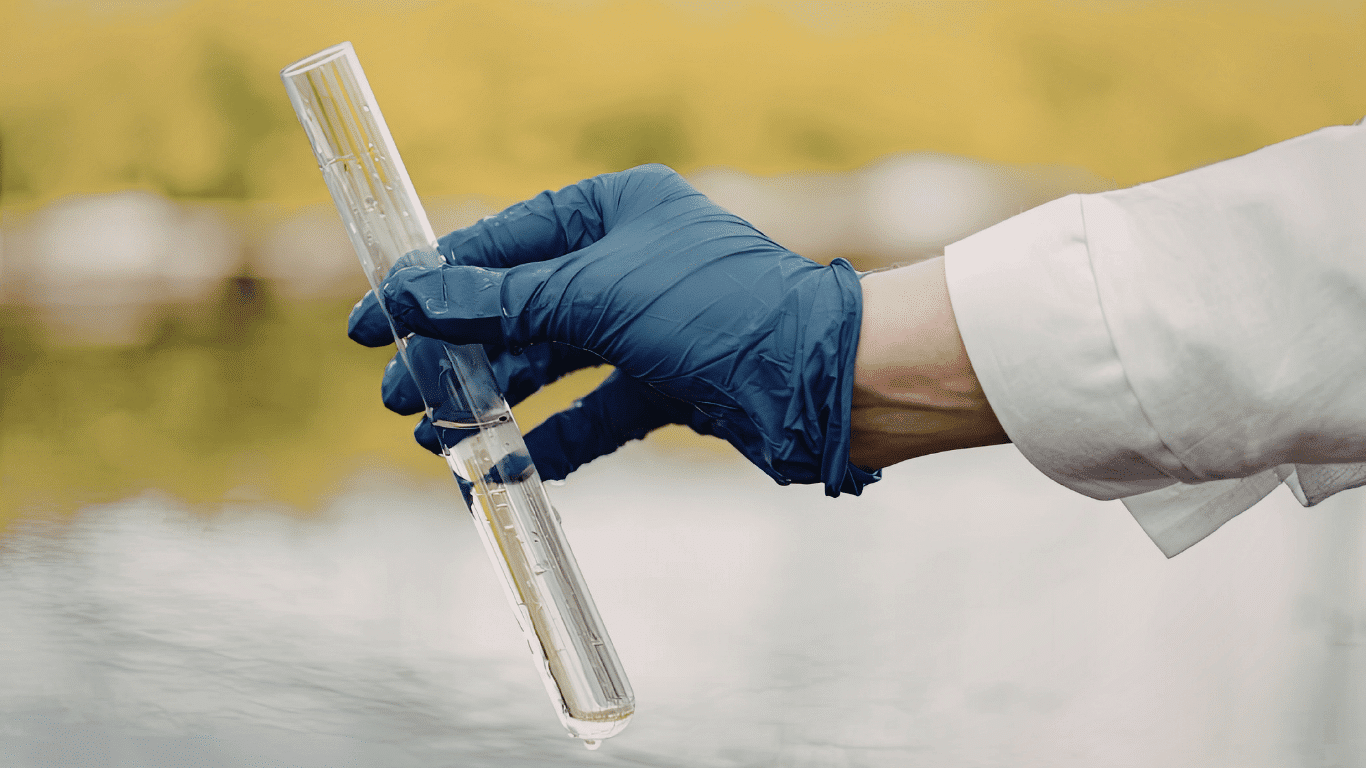
Water affects every part of an industrial operation, from production and cooling to cleaning and wastewater management. Even small changes in water quality can reduce efficiency, damage equipment, or create compliance concerns if they go unnoticed. That is why water quality monitoring equipment plays such an important role. It gives operators the information they need to understand changing conditions and make informed decisions before minor issues become costly problems.
Effective quality monitoring goes beyond occasional testing. A modern water quality monitoring system continuously tracks key conditions, helping facilities maintain reliable performance across different systems. With the right approach to monitoring, teams can identify trends earlier, improve operational confidence, and protect both equipment and water resources. In this guide, we’ll explain how these technologies work, what they measure, and how to choose the right solution for your facility.
What Is Water Quality Monitoring Equipment?
Many people use the terms water quality monitoring equipment and water quality monitoring system interchangeably, but they are not exactly the same. The equipment refers to the individual instruments, device, and sensors that measure specific aspects of water quality, while a complete monitoring system brings those components together to collect, organize, and display data. Each piece serves a purpose, but they deliver the greatest value when they work as an integrated solution.
A typical water quality monitoring system combines multiple sensors with software or a control platform to track different parameters at the same time. Depending on the application, these instruments perform continuous measurements, send alerts when conditions change, and help operators review historical data for better decision-making. This coordinated approach provides a clearer picture of overall quality than relying on a single reading alone.
Facilities can also choose between portable and permanent systems based on their operational needs. Portable equipment works well for routine inspections, troubleshooting, or confirming field results at different locations. Permanent installations continuously measure critical conditions and provide ongoing data without requiring frequent manual testing. Choosing the right technology depends on the process, the water source, and how quickly operators need information to protect performance and maintain consistent water quality.
What Does Water Quality Monitoring Measure?
No single reading can tell you everything about your water. Instead, operators monitor several water parameters to understand overall conditions and identify changes before they affect equipment or processes. Some of the most common measurements include pH, dissolved oxygen, conductivity, turbidity, and temperature. Together, these values help measure the physical and chemical properties of water, giving operators a more complete picture of its quality. If you’d like a closer look at how these devices work, explore our guide to water quality sensors.
Each parameter provides different insights. pH shows how acidic or alkaline the water is, while dissolved oxygen indicates the amount of oxygen available for biological activity and many industrial processes. Conductivity measures the water’s ability to carry an electrical current, which often reflects the concentration of dissolved minerals. Turbidity measures cloudiness caused by suspended particles, and temperature influences chemical reactions, biological activity, and the accuracy of other readings. Some applications also monitor oxidation-reduction potential (ORP) to evaluate disinfection performance or overall water conditions.
Rather than relying on separate meters, many facilities now use multiparameter sondes that combine several sensors into one instrument. These systems collect multiple measurements simultaneously, reducing field time while improving consistency. Operators can compare readings from the same location, analyze samples when laboratory confirmation is needed, and quickly identify unusual changes caused by contaminants or shifting process conditions. This broader view makes it easier to respond to developing issues before they disrupt operations or compromise water quality.
How Modern Water Quality Monitoring Systems Work
Modern online water quality monitoring gives operators continuous visibility into changing water conditions instead of relying solely on periodic testing. Fixed sensors perform in situ monitoring directly at the source, capturing real time readings without removing water for analysis. The systems automatically handle data collection, reducing manual work while providing consistent and reliable water quality data throughout the day. This approach helps facilities spot abnormal conditions much sooner than waiting for scheduled inspections or laboratory results.
Once the readings are collected, the information moves through telemetry to a central platform where cloud-based software stores, organizes, and displays it. Operators can review historical trends, generate a report, and compare current conditions with previous performance. Instead of simply collecting data, the goal is to turn it into actionable data that supports faster decisions. Many platforms also allow teams to securely access information from remote locations, making it easier to oversee multiple facilities or unmanned sites from a single dashboard.
An effective real time monitoring system does more than display numbers. It can trigger alarms whenever measurements move outside acceptable limits, allowing operators to respond immediately before small issues become larger problems. Continuous real time data also helps identify gradual changes, such as seasonal shifts, process variations, or the early signs of contamination that might otherwise go unnoticed. Over time, these insights improve operational planning, strengthen maintenance strategies, and give facilities greater confidence in their water management decisions.
Where Water Quality Monitoring Equipment Is Used
You’ll find water quality monitoring equipment anywhere water plays a critical role in daily operations. Industrial facilities use it to oversee cooling towers, boilers, manufacturing lines, and wastewater treatment systems, where even small changes can affect performance or product quality. Municipal utilities also depend on continuous monitoring to protect infrastructure and maintain drinking water quality. Every application has different priorities, but they all share the same goal of understanding what is happening at the water source before minor issues become costly disruptions.
Environmental monitoring relies on these technologies as well. Agencies and research teams track lakes, rivers, and streams to observe changing water conditions, identify pollution, and support long-term resource management. In industrial settings, similar monitoring practices help verify treatment performance and provide the information needed to improve each process. If you’re interested in how monitoring fits into a broader treatment strategy, our guide to the wastewater treatment process explains how water moves through each stage before discharge or reuse.
Many facilities still collect grab samples for laboratory testing because they provide detailed analysis that online instruments cannot always perform. However, grab samples only reflect water conditions at one point in time. Continuous monitoring fills the gaps by tracking changes throughout the day, helping operators detect unexpected events sooner and use their resources more effectively. Together, both approaches create a more complete picture of system performance and support better operational decisions.
Choosing the Right Water Quality Monitoring System
Selecting the right monitoring system starts with understanding your facility’s goals, not simply choosing the newest technology. Think about what you need to monitor, how quickly conditions can change, and how the information will support daily operations. Some facilities only need a single parameter instrument for one critical measurement, while others benefit from multiparameter systems that monitor several water conditions at the same time. Choosing equipment that is capable of meeting both your current and future requirements helps you avoid unnecessary upgrades later.
You should also consider the practical side of ownership. Every monitoring system requires routine maintenance and calibration to keep readings accurate and reliable. Look for equipment that is easy to service, integrates well with existing controls, and provides dependable long-term performance. A system that simplifies maintenance often improves operational efficiency because technicians spend less time troubleshooting and more time acting on reliable information. It is also worth asking whether the system can expand as your facility grows or if additional sensors can be added without replacing the entire installation.
Budget matters, but the lowest upfront cost does not always deliver the best value. A dependable monitoring system can reduce operational risk, support regulatory compliance, and improve overall compliance reporting by identifying problems before they become expensive failures. Consider the total cost of ownership, including maintenance, calibration, software, and future expansion. When you utilize a monitoring solution that fits your process and long-term objectives, you gain more confidence in your decisions while protecting both your equipment and your water treatment program.
Building a Smarter Monitoring Strategy
The best monitoring strategy goes beyond installing sensors and reviewing readings. Effective monitoring works alongside well-designed treatment programs, routine maintenance, and experienced engineering support to keep water systems operating reliably. Monitoring tells you what is happening, but treatment determines how you respond. When these elements work together, facilities can improve system optimization, reduce unnecessary downtime, and make better operational decisions based on reliable information instead of guesswork. If you’re exploring ways to strengthen your overall water treatment approach, take a look at our Systems Solutions & Features to see how different technologies can work together.
Every facility has different water quality goals, operating conditions, and performance challenges, so there is rarely a one-size-fits-all solution. A thoughtful strategy considers your process, maintenance practices, and long-term objectives before selecting the tools that best fit your operation. If you’re planning to upgrade your monitoring capabilities or refine an existing water treatment program, reach out to us. ProChem can work with your team to develop a practical approach that supports reliable performance, simplifies long-term system management, and gives you greater confidence in every operational decision.
