
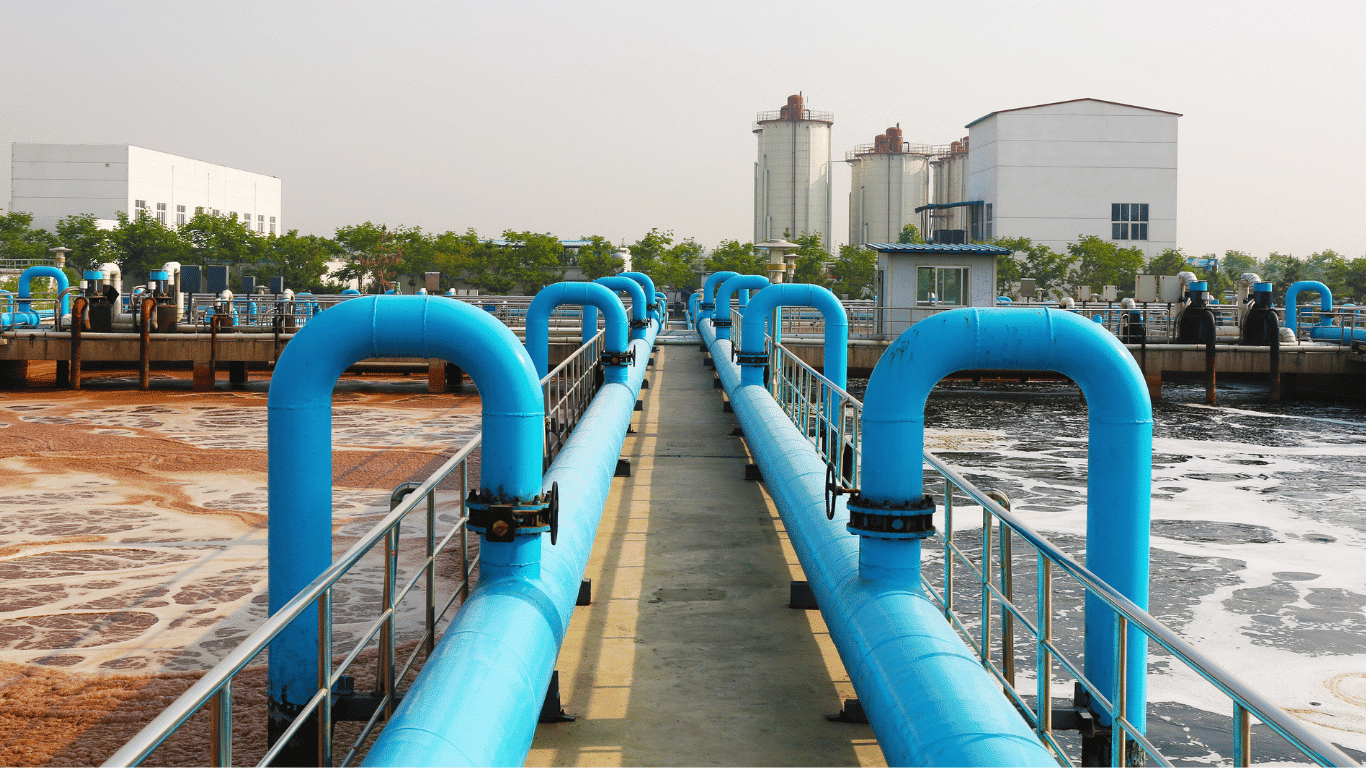
An aerated wastewater treatment system uses oxygen to support microorganisms that break down organic matter in wastewater. This biological approach helps reduce the organic load before the treated water moves to the next stage of treatment. For facilities and sites managing wastewater without access to conventional sewer infrastructure, understanding how biological treatment works can help teams make better decisions about system design, operation, and maintenance.
Unlike simpler septic treatment, aerated wastewater treatment systems actively introduce air into the treatment environment to support aerobic biological activity. That added oxygen gives microorganisms the conditions they need to work more effectively. As a result, these wastewater treatment systems can provide a more controlled treatment process when site conditions, discharge requirements, or reuse goals call for additional treatment performance.
What Is an Aerated Wastewater Treatment System?
An aerated wastewater treatment system uses controlled aeration to create an oxygen-rich environment where aerobic bacteria can break down organic materials in wastewater. These aerobic systems differ from conventional treatment that relies mainly on anaerobic bacteria, which do not require oxygen to function. As air enters the treatment chamber, oxygen supports biological activity and gives microorganisms better conditions to consume dissolved and suspended organic matter. This makes aeration an important part of biological wastewater treatment, especially when operators need more control over the treatment process. ProChem’s biological treatment systems can form part of a broader approach to managing wastewater and treatment requirements.
An aerated system can receive wastewater containing both greywater and blackwater when the system design supports those flows. In contrast, a conventional septic system, including a septic tank, typically depends on settling and anaerobic biological activity. An aerated wastewater treatment system adds oxygen to encourage a different biological environment, helping reduce the organic load before the effluent moves to later treatment stages. The right approach depends on wastewater characteristics, flow, site conditions, and the level of treatment the application requires.
How the Treatment Process Works
The treatment process typically begins in the primary chamber, where wastewater flows into the first treatment tank and heavier solids settle to the bottom. This primary treatment stage separates suspended solids while anaerobic decomposition begins. As solids accumulate, they form sludge, which requires periodic removal. The wastewater then moves into the aeration chamber, also called an aeration tank, where an aeration system introduces air and oxygen. This supports aerobic bacteria as they break down organic matter and remaining organic matter, making aeration the key biological stage of secondary treatment.
After aeration, wastewater enters a settling area or sedimentation tank, where remaining solids settle out of the liquid. This step helps separate biological solids before the effluent moves toward disinfection. Operators should monitor solids levels and wastewater flows, since excessive solids, poor settling, or uneven flow can affect treatment performance. Consistent operation also helps prevent solids from carrying over into later stages and affecting the quality of the treated effluent.
The final stage provides disinfection before the final effluent reaches its discharge or reuse point. Depending on the system design and applicable requirements, disinfection can prepare the treated water for permitted irrigation applications while helping protect surface water and ground water. The complete sequence, from primary settling and aeration to final clarification and disinfection, gives the system multiple treatment stages for managing wastewater. Performance ultimately depends on wastewater characteristics, flow, system design, and the level of treatment required.
Aerated Systems vs. Conventional Septic Systems
A conventional septic system relies mainly on settling and biological activity from anaerobic bacteria, which can function without an active oxygen supply. In a typical septic tank, heavier solids settle while microorganisms break down part of the organic load under oxygen-limited conditions. These systems can treat wastewater from both greywater and blackwater, making them a practical option for certain sites. However, the treatment approach depends heavily on tank capacity, soil conditions, hydraulic loading, and the quality of effluent the site needs to manage.
Aerated systems take a different approach by actively supplying oxygen to support aerobic biological treatment. That additional oxygen can improve the breakdown of organic matter and provide greater control over treatment performance. An aerated approach may be particularly suitable when a site has limited space, challenging site conditions, or stricter effluent requirements. It can also make sense where environmental sensitivity requires greater care to protect surface water and surrounding areas. The important point is that neither approach automatically fits every application. Teams should evaluate wastewater characteristics, site constraints, discharge requirements, and long-term operating needs before selecting the appropriate treatment system.
Where Aerated Wastewater Treatment Systems Make Sense
Aerated wastewater treatment systems can be a practical option for sites without access to municipal wastewater infrastructure or a centralized treatment plant. They can support small communities, recreational facilities, and camping grounds where reliable wastewater treatment is still necessary. These treatment systems can also suit environmentally sensitive areas, locations with limited space, or sites with challenging gradients where conventional options may be difficult to install. In each case, teams should consider expected wastewater flows, available space, site conditions, and the level of treatment required before selecting a system.
Industrial facilities can also use aerated treatment as pretreatment for organic-rich wastewater, particularly when biological treatment can reduce the organic matter before additional processes. Depending on the final effluent requirements, treated water may also support irrigation applications, including subsurface irrigation, when the appropriate treatment and controls are in place. The goal is to achieve the required high quality effluent for its intended use, not simply to add more treatment. A system should match the wastewater characteristics, flow conditions, discharge requirements, and reuse objectives of the facility.
Maintaining Reliable System Performance
Good maintenance starts with watching the equipment that keeps the system functioning properly. Operators should check the aeration equipment and oxygen supply, then inspect the pump, submersible pump, pump chamber, and float switch for signs of wear or abnormal operation. Keep an eye on sludge accumulation and solids carryover as well. Changes in flow, unusual odors, excessive foam, or a noticeable change in effluent quality can signal that the system needs attention. These early checks often help teams catch small problems before they affect treatment performance.
Disinfection also deserves regular attention, especially when treated effluent goes toward irrigation. Operators should verify that disinfection equipment operates as intended and inspect irrigation lines and irrigation filters for blockages or buildup. The right maintenance schedule depends on system design, wastewater loading, equipment, and manufacturer recommendations. As a general guide, many aerated systems receive service about every three months, while sludge pumping may occur every few years depending on accumulation. Maintenance contracts may also include inspections every six months.
For facilities that want more consistent oversight, ProChem’s Operations & Maintenance services can support routine inspections and ongoing system care. The goal is not simply to follow a calendar. Teams should use operating data, equipment condition, and effluent quality to determine when maintenance requirements call for action. A proactive approach helps keep pumps, aeration equipment, controls, and treatment processes working together reliably.
What Can Affect Treatment Performance?
Even highly efficient biological treatment can struggle when operating conditions change. Excessive wastewater flows, sudden increases in organic loading, insufficient oxygen, excessive solids or sludge, and pump problems can disrupt the treatment process. Poor maintenance can create similar issues, while changes in influent characteristics may introduce a different contaminant load than the system normally handles. Operators should watch for changes in effluent quality and investigate unusual results early rather than assuming the system will correct itself.
Biological treatment also does not provide complete removal of every contaminant. Depending on the wastewater, contaminants and other contaminants may require further treatment through filtration, chemical treatment, disinfection, or membrane processes. A broader treatment train can combine these technologies to meet specific discharge or reuse requirements. ProChem’s industrial wastewater treatment systems can integrate multiple treatment approaches when a facility needs more than biological treatment alone. The right combination depends on the wastewater, required effluent quality, operating conditions, and overall treatment objectives.
Choosing the Right Treatment Approach
Choosing the right treatment systems starts with understanding the wastewater, not simply selecting the technology with the most equipment. Teams should consider flow and loading, required effluent quality, available space, site conditions, discharge or reuse goals, and the facility’s maintenance capabilities. It is also important to determine whether the application needs a certain level of treatment beyond biological processes. An aerated system may be suitable for one site while another may need filtration, chemical treatment, membrane processes, or a combination of systems. Looking at the complete treatment picture helps facilities balance treatment performance, operating efficiency, maintenance demands, and long-term requirements. A practical design should match the wastewater characteristics and site conditions while leaving enough flexibility to meet changing treatment needs over time.
Maintaining Effective Wastewater Treatment
Keeping an aerated wastewater treatment system performing well comes down to consistent attention to the basics. Start by understanding the wastewater entering the system, then keep aeration equipment, pumps, and controls functioning properly. Monitor solids and sludge levels, check treated effluent quality, and follow the recommended service schedule rather than waiting for performance problems to appear. If the application requires a higher level of treatment, consider adding further processes that support the overall wastewater treatment systems design.
Good maintenance keeps equipment reliable and helps maintain consistent effluent quality over time. Need help evaluating your system or planning a more reliable treatment strategy? Talk to our experts. ProChem can work with your team to assess site requirements, improve system performance, and develop practical wastewater treatment solutions that fit your operation.
