
Water management is no longer just about keeping water available and equipment operating. In today’s buildings, the way water moves, heats, cools, and gets treated can create risks that facility teams need to understand and control. ASHRAE 514 provides a broader framework for addressing those concerns across building water systems, with attention to physical, chemical, and microbial hazards. For building owners, managers, and operators, the standard offers a structured way to think about risk throughout the life of a water system. The key is to make water management part of everyday facility planning and maintenance, rather than treating it as an isolated task.
What Is ASHRAE 514?
ANSI/ASHRAE Standard 514-2023, Risk Management for Building Water Systems: Physical, Chemical, and Microbial Hazards, establishes minimum requirements for reducing illness and injury associated with water systems. The ashrae standard 514 framework considers water-related risks throughout the building lifecycle, giving facility teams a structured approach to identifying hazards and establishing appropriate controls. Unlike an approach that focuses on one piece of equipment, the ashrae standard looks at the broader relationship between building water systems, their operation, and the people who use them.
That broader scope matters because water-related problems rarely fit neatly into one category. ASHRAE Standard 514 considers physical chemical and microbial hazards that can occur within or around building water systems. For example, treatment chemicals, water temperatures, plumbing materials, and conditions that support microbial growth can all influence the overall risk profile. When teams understand how these hazards can overlap, they have a clearer foundation for managing risk instead of responding to individual problems only after they appear.
Where ASHRAE 514 Applies
One of the important points to understand about ASHRAE 514 is its lifecycle approach. The standard considers water systems during design, construction, commissioning, operation, maintenance, repair, replacement, and expansion. That means water management should not start only after a building opens its doors. During new construction, teams can make decisions that affect water quality and system risks for years to come. The same principle applies to existing buildings, where renovations, equipment changes, and other modifications can alter how water moves through the facility. A strong program keeps management involved throughout these changes and considers hazards associated with building water at each stage.
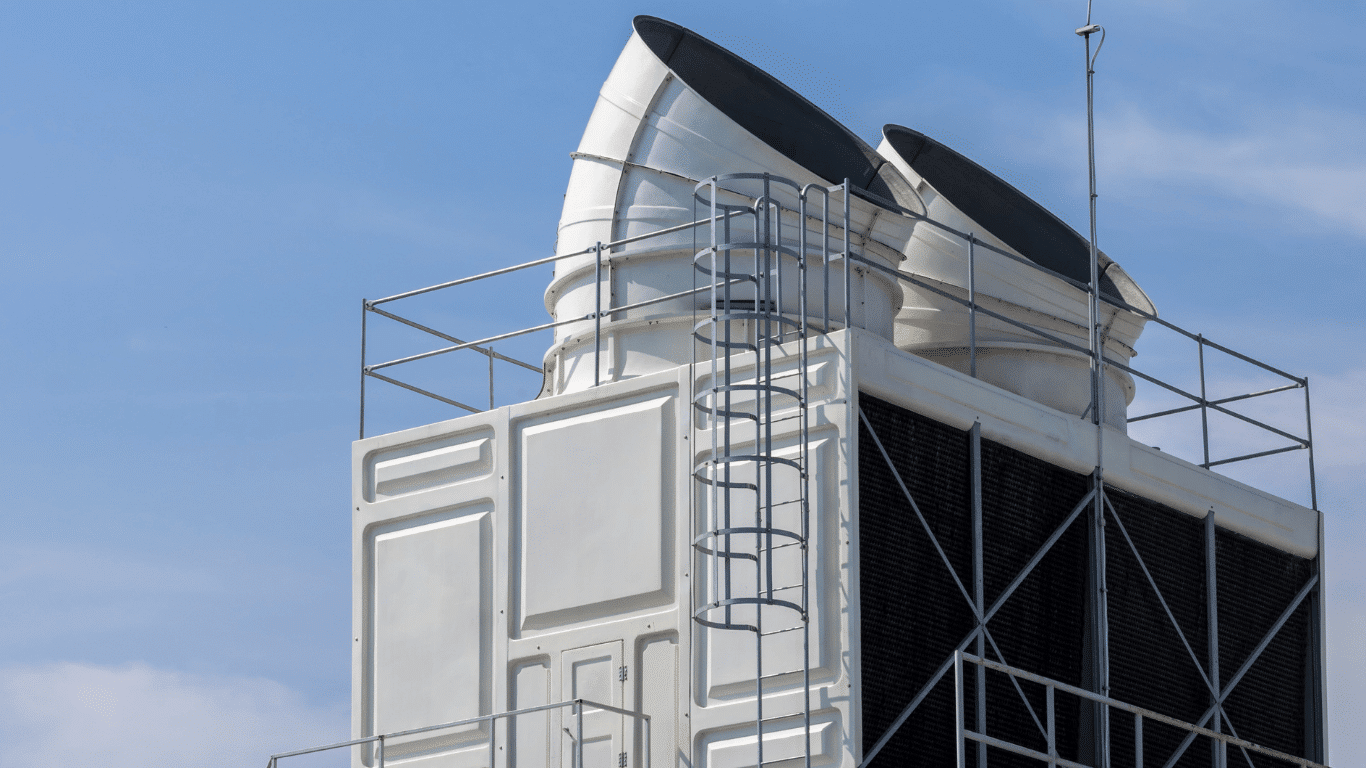
The standard can apply across a range of applications, including potable water systems, non-potable systems, plumbing systems, and water-based HVAC equipment. Centralized building water systems deserve particular attention because conditions in one part of a system can affect other areas. This becomes especially important in health care facilities and other settings where vulnerable building occupants may face greater consequences from exposure to microbial hazards. Teams should also consider higher-risk areas, including systems involving hot water, cooling towers, or equipment that creates conditions favorable to microbial growth. A well-organized water management plan can help assign responsibilities and keep these considerations connected.
The Three Hazard Categories Facilities Need to Manage
ASHRAE 514 brings three major categories into the same conversation: physical, chemical, and microbial hazards. Physical hazards can include hot water that creates a scalding risk, along with other conditions that could cause injury around water equipment and distribution systems. Chemical hazards can involve disinfectants, disinfection byproducts, corrosion products, and substances that leach from plumbing materials. Teams need to understand the purpose and potential effects of each chemical used in a system, while also watching for conditions that can introduce unwanted chemicals into the water. Looking at both physical hazards and chemical hazards gives operators a more complete picture of the physical and chemical hazards associated with a water system.
Microbial hazards require another layer of attention. Water systems can provide conditions that support microbial growth, particularly when temperature, stagnation, nutrients, or system conditions favor organism development. ASHRAE 514 takes a broader approach to microbial risk, including opportunistic pathogens, rather than limiting the conversation to Legionella alone. That distinction matters because legionella growth and other forms of microbial growth can develop under different conditions. Standard 188 remains closely associated with legionellosis risk management, while Standard 514 addresses a wider range of microbial hazards. For facility teams, the practical goal is consistent microbial control based on the actual conditions and risk within the building.
Building a Water Management Program Around ASHRAE 514
A strong water management program starts with people, not equipment. Someone needs clear responsibility for identifying hazards, coordinating activities, reviewing results, and keeping the program current. Facility building owners, managers, engineers, water treatment personnel, and maintenance teams may all have a role, depending on the building and its systems. Establishing a designated water management team helps prevent important tasks from falling between departments. From there, the team can develop a water management plan, evaluate system-specific risk, identify appropriate control measures, establish a monitoring procedure, and define what happens when conditions require corrective action. This approach makes risk management an ongoing responsibility rather than a one-time assessment.
Monitoring and documentation keep that program working after the initial assessment. Teams should track relevant conditions, record monitoring results, document maintenance and treatment activities, and communicate significant findings to the people responsible for responding. Good water management also requires departments to share information when system conditions change. For example, maintenance work or a change in operating conditions may introduce a new risk that another department needs to know about. The minimum requirements of the standard provide a framework, but the actual monitoring and control measures should reflect the hazards identified in the facility’s program. Consistent documentation, communication, and follow-through help teams recognize changes early and take corrective action before a manageable issue becomes a larger problem.
Applying Water Treatment and Maintenance to Risk Management
Water treatment and routine maintenance can support the control measures identified through a building’s water management process, but the right approach depends on the system. Teams may use filtration, chemical treatment, cleaning, monitoring, temperature control, or supplemental disinfection where appropriate. They should also verify disinfectant levels and other operating conditions against the requirements of their specific system and treatment strategy. This is especially important in water-based HVAC applications, where cooling towers, circulation equipment, and associated equipment can create conditions that require close attention. ProChem’s HVAC water treatment resources provide a useful starting point for understanding treatment considerations in these systems. The goal is not to add treatment simply because a standard mentions risk. Instead, teams should select controls that address the actual chemical and microbial conditions, operating practices, and equipment-related risk present in the facility.
Bringing the Program Into Daily Facility Operations
Successful implementation happens when water management becomes part of normal facility operations. Operators should review system conditions, track monitoring results, maintain established treatment controls, and respond when results fall outside expected ranges. Teams also need to revisit the program after renovations, equipment replacements, or post occupancy modifications, since these changes can introduce new risk factors or alter existing ones. Communication matters here as well. Maintenance, engineering, operations, and management teams should understand changes that could affect building occupants or associated equipment. When microbial concerns require additional attention, a focused Legionella management strategy can complement the broader framework of Standard 514 and the legionellosis-focused requirements of ASHRAE 188. Treating the program as a living part of facility management makes it easier to identify changes, review risks, and keep the building water system under control.
Putting Water Management Into Practice
Putting ASHRAE 514 into practice starts with a straightforward process: identify the water systems in the building, review physical, chemical, and microbial hazards, assign responsible personnel, establish control measures, and set appropriate monitoring procedures. From there, document results, respond with corrective action when needed, and review the program whenever systems or building conditions change. This approach turns water management into an ongoing process that supports risk management and helps facilities protect health.
Need help translating your facility’s water-system risks into a practical treatment and management strategy? Talk to our experts. ProChem can help you evaluate the system, identify appropriate treatment approaches, and build a program around your facility’s operating needs. Contact our water treatment team to start the conversation.
