
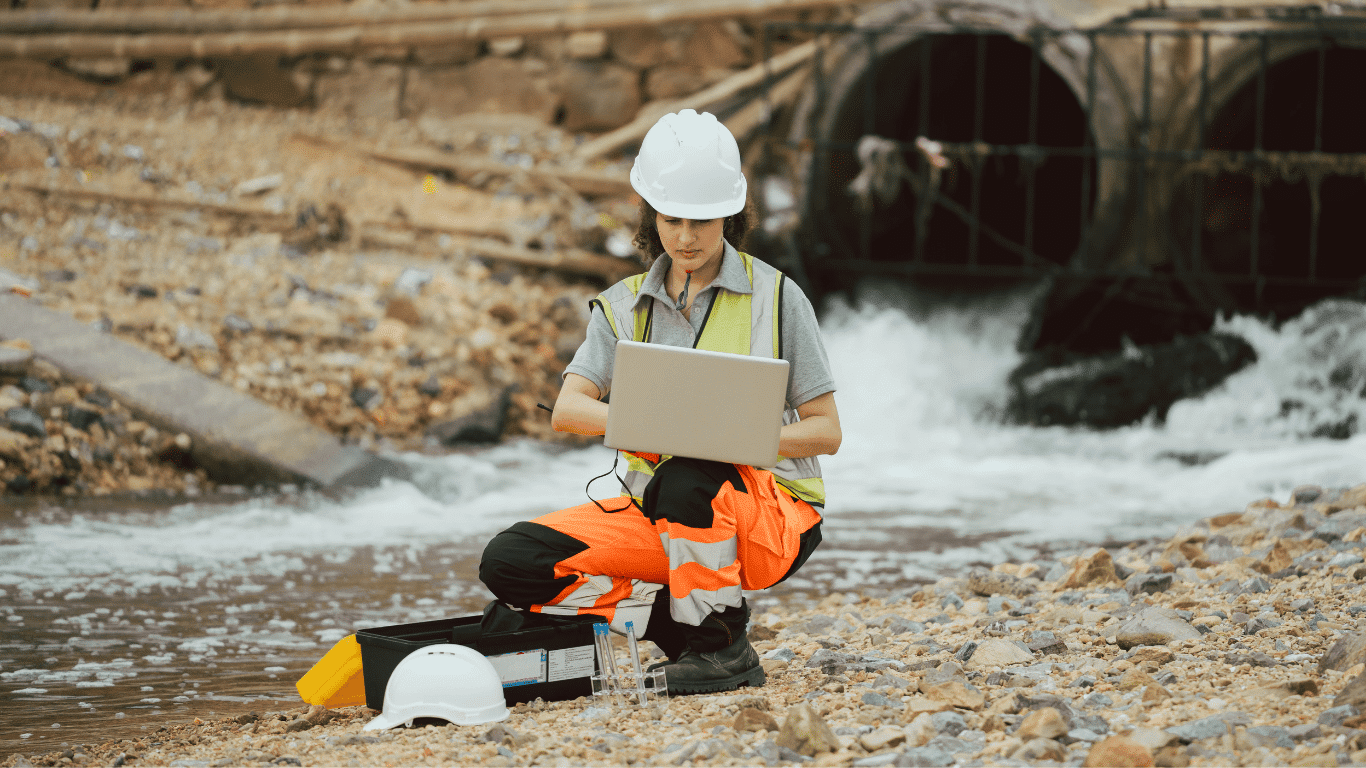
You cannot manage what you cannot see. In a facility, water conditions can change as processes shift, equipment operates, or usage patterns move throughout the day. That is why water monitoring systems play an important role in giving operators a clearer picture of what is happening inside a water system.
Good water monitoring goes beyond collecting numbers. It gives your team useful information about water quality, water use, and overall system conditions so you can spot changes before they become larger problems. Instead of relying on assumptions, operators can use data to understand how their system is performing and decide where closer attention may be needed.
What Water Monitoring Systems Measure
A water quality monitoring system measures characteristics of water that matter to a particular process or application. Depending on the system, operators may look at physical, chemical, or biological conditions. Common parameters include pH, turbidity, conductivity, dissolved oxygen, temperature, and flow rate. Each parameter tells you something different, so the goal is not simply to collect as much information as possible. The goal is to measure what actually affects your operation.
Sensors make this possible. A water sensor can continuously measure a specific condition and send readings to a central platform or control system. For example, dissolved oxygen can help operators understand oxygen availability in a process, while temperature can influence chemical reactions, biological activity, and equipment performance. The more clearly you understand the purpose of each measurement, the easier it becomes to determine which sensors belong in your monitoring program.
The right monitoring system depends on your water source, process requirements, treatment equipment, and operational risks. One facility may need several sensors to monitor a complex treatment process, while another may only need a few critical measurements. ProChem’s water quality monitoring equipment can support applications where teams need consistent measurements and better visibility into changing water conditions. The important thing is to select a system that provides useful data rather than collecting readings that your operators cannot act on.
How Real-Time Water Quality Monitoring Works
Traditional testing still has an important place in water management, but it only gives you a picture of conditions at the time of sampling. Online water quality monitoring takes a different approach. Sensors collect readings continuously or at programmed intervals, allowing a water quality monitoring system to build a much more detailed picture of how conditions change throughout the day. That information can help operators detect unusual changes sooner.
Modern water quality monitoring can also connect sensors, control equipment, software, and remote dashboards into one monitoring system. The result is a continuous stream of water quality data that operators can review from a central interface. Some platforms also provide alerts when a parameter moves outside a selected range. This approach can reduce the need to depend entirely on periodic grab samples, particularly when conditions can change quickly.
The technology continues to expand. For example, KETOS reports that its SHIELD system can monitor more than 30 parameters and transmit results to its cloud platform in real time. Other monitoring platforms can collect readings from multiple locations or depths, which makes continuous observation useful for larger or more complex water environments. The advantage is not simply having more data. It is having timely information that helps your team recognize trends, investigate changes, and respond before a small water quality issue develops into a larger operational problem.
Using Monitoring Systems to Detect Leaks and Track Water Use
Water monitoring also has a practical role outside traditional water quality measurements. Facilities can use flow readings, meters, and connected sensors to track water use and identify patterns that may indicate a leak. A sudden increase in flow, continuous usage during inactive hours, or an unexpected change from a normal baseline can give operators a reason to investigate. In that sense, water monitoring systems can help teams detect leaks before the problem becomes obvious through visible damage.
Smart water sensors can also send alerts to a phone or connected device when they detect unusual moisture or water activity. More advanced in-line systems can connect detection with automatic controls and shut off a supply when the system identifies a potential leak. The type of device, installation method, and level of automation will affect the overall cost. Basic leak detectors can start around $50, while more advanced systems can cost several hundred dollars or more.
Consumer systems provide useful examples of what this technology can do. Flume reports that 70% of its users receive a leak notification within 30 days and that customers reduce their water usage by an average of 15%. It also reports that its system can identify water use down to 1/100th of a gallon. Those figures represent Flume’s own reported customer results, not a universal industry benchmark. The broader lesson is that detailed usage data can help people understand where water goes and respond faster when something does not look right.
Where Water Monitoring Matters Most
The value of water monitoring changes with the application. An industrial facility may focus on process conditions, treatment performance, or discharge quality, while an agricultural operation may focus on irrigation and livestock water. In each case, the goal remains similar: monitor the conditions that affect safety, efficiency, compliance, or reliable operations.
Some common applications include:
- Industrial facilities: Teams can monitor process water, treatment systems, cooling systems, wastewater streams, and other critical points throughout plant operations.
- Aquaculture: Dissolved oxygen, pH, and temperature can help operators maintain conditions that support fish health.
- Power generation: Monitoring helps track water purity and conditions within cooling and other utility systems.
- Agriculture: Water monitoring can support irrigation management and help operators assess livestock water conditions.
- Oil, gas, and mining: Monitoring can help identify changing water conditions and reduce the risk of releasing contaminants into the environment.
- Municipal treatment: Water and wastewater facilities use monitoring to track treatment performance and maintain appropriate water quality.
These applications also show why water monitoring systems should match the process. A facility dealing with metals, chemicals, or complex wastewater may need a very different set of measurements than a system focused primarily on temperature and oxygen. Proper testing and a clear understanding of the process help teams decide what to monitor and how often to review the results.
Turning Water Quality Data Into Better Decisions
Collecting water quality data is only useful when your team knows what to do with it. A single reading can tell you what happened at one moment, but a series of readings can reveal trends. Operators can compare current conditions with historical records, identify recurring changes, and determine when a parameter starts moving outside its normal range. That makes water quality monitoring much more useful as an operational tool rather than simply another source of numbers.
A practical monitoring program should give operators a clear path from measurement to action:
- Set reasonable thresholds for important parameters.
- Review trends instead of focusing only on individual readings.
- Use alerts to flag changes that require attention.
- Combine automated readings with scheduled testing and professional analysis.
- Compare water quality changes with production, equipment, or treatment conditions.
- Keep records so your team can recognize recurring issues and manage them earlier.
Monitoring should not replace laboratory testing or professional treatment decisions. Instead, it gives operators better visibility and helps them determine when additional testing or investigation makes sense. When monitoring data points toward a treatment issue, resources such as ProChem’s guide to water treatment technologies can help teams understand the treatment options available for different water conditions.
Connecting Monitoring With Water Treatment and Facility Operations
Monitoring becomes even more valuable when it connects directly with the equipment and processes responsible for maintaining water quality. For example, sensor readings can help operators recognize when filtration performance changes, chemical treatment needs adjustment, membrane systems require attention, or cooling-water conditions move outside the desired range. That connection turns water quality monitoring into part of the larger treatment strategy.
The details matter. Sensors need appropriate placement, regular calibration, and routine maintenance so the monitoring system continues producing useful readings. Your team should also know who reviews the information, what constitutes an actionable change, and what response should follow. ProChem’s treatment systems incorporate monitoring, automation, and process controls across industrial water and wastewater applications, including measurements such as flow, conductivity, pH, ORP, turbidity, pressure, and level.
Building a More Useful Water Monitoring Strategy
A useful monitoring strategy starts with the process, not the equipment. Before choosing a monitoring system, take time to identify where water conditions can change and which measurements actually matter. From there, your team can:
- Identify the water streams and processes worth monitoring.
- Define the most important parameters.
- Decide where continuous monitoring makes sense.
- Establish alert thresholds and response procedures.
- Review trends instead of isolated readings.
- Keep sensors calibrated and maintained.
- Connect monitoring results with treatment and maintenance decisions.
You do not need to monitor everything to build an effective program. You need reliable information at the points where changes can affect water quality, efficiency, compliance, or equipment performance. Unsure what to monitor or how to connect monitoring with your treatment strategy? Talk to our experts. ProChem can help you evaluate your process, identify useful monitoring points, and develop a practical approach that gives your team better access to actionable water data.
