
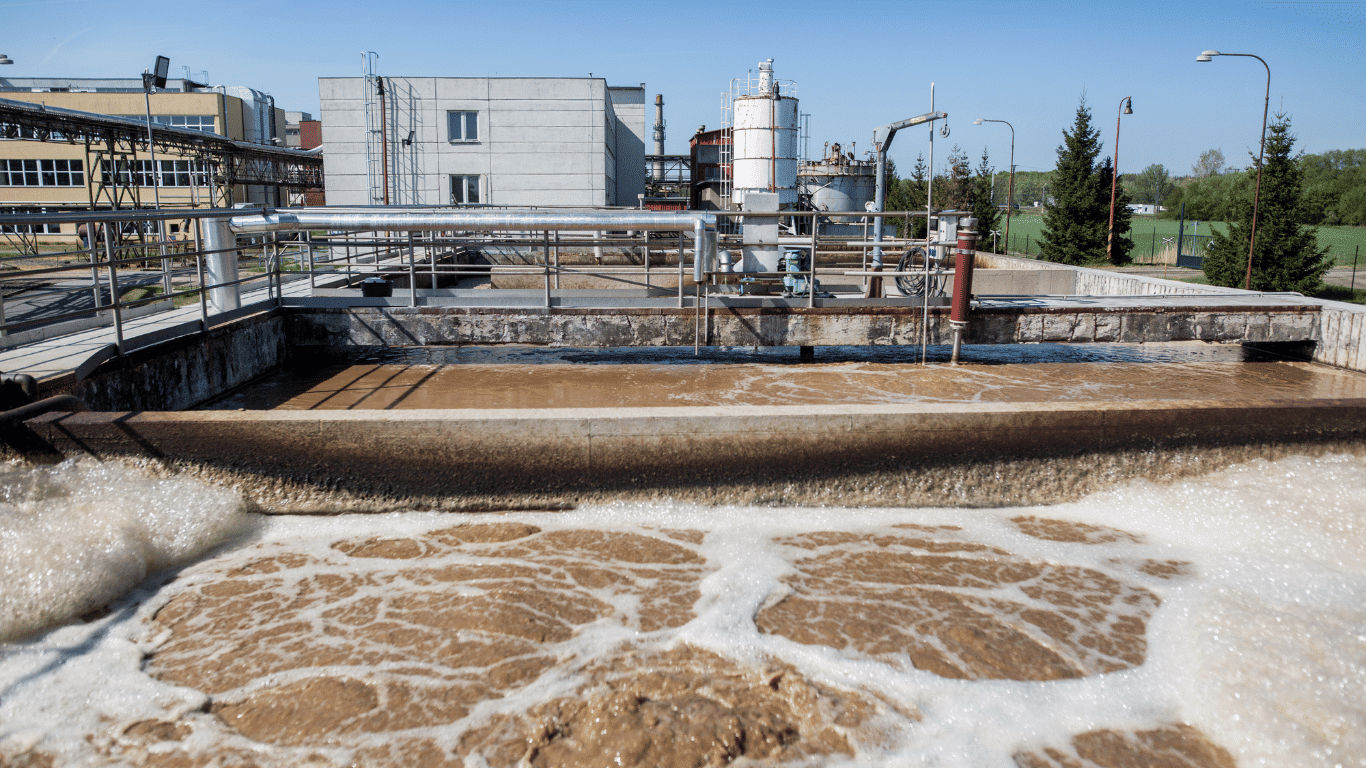
Refineries rely on large volumes of water for processing, cooling, equipment cleaning, and other essential operations. However, these activities also generate wastewater containing oil, hydrocarbons, and other pollutants that require careful management. Effective refinery wastewater treatment helps facilities control these contaminants, meet discharge requirements, and make better use of available water resources. Understanding the treatment process is an important first step toward maintaining reliable operations and reducing environmental risks.
What Is Refinery Wastewater, and Why Does It Need Treatment?
Refinery wastewater comes from several sources, including crude oil processing, equipment washing, cooling operations, and steam generation. Its wastewater composition varies with the type of crude oil, production methods, operating conditions, and chemicals used throughout the facility. As a result, two refineries may face very different treatment requirements, even when they produce similar products.
Common contaminants include free oil, emulsified oil, dissolved hydrocarbons, phenols, sulfides, nitrogen compounds, suspended solids, and other organic compounds. Some wastewater streams also contain elevated chemical oxygen demand (COD), which indicates the amount of oxygen required to chemically oxidize pollutants. Biological oxygen demand (BOD) provides another measure of biodegradable organic matter. These indicators help operators understand the pollutant load and select suitable treatment processes.
Untreated wastewater can cause serious environmental problems. High pollutant concentrations can harm aquatic organisms, while organic matter can deplete dissolved oxygen in rivers, lakes, and other receiving waters. Oil and hazardous compounds may also contaminate soil and threaten drinking water sources. For refineries, proper wastewater management helps limit environmental impact, protect sensitive ecosystems, and maintain compliance with applicable discharge permits.
How Does Refinery Wastewater Treatment Work?
Refinery wastewater treatment generally follows a multi-stage train because no single process can reliably remove every contaminant. The treatment plant may combine preliminary separation, primary treatment, biological treatment, and tertiary polishing, depending on wastewater quality and the intended discharge or reuse application. Operators should base the treatment design on actual water analysis rather than assume every stream needs the same approach.
Preliminary and Primary Treatment
The first stage removes materials that could interfere with downstream equipment. Screens and grit removal systems capture larger debris and abrasive particles, while equalization tanks help balance variations in flow and pollutant concentrations. Equalization gives operators more consistent conditions for the processes that follow, particularly when production schedules cause sudden changes in wastewater volume.
Next, oil separation equipment removes free-floating oil and some suspended solids. American Petroleum Institute (API) separators use gravity to separate oil from water, while corrugated plate interceptor (CPI) units improve separation by providing additional surface area for oil droplets to rise. Dissolved air flotation (DAF) offers another option. It introduces fine air bubbles that attach to oil droplets and small particles, carrying them to the surface for removal. These methods help reduce the pollutant load before biological or advanced treatment begins.
Secondary and Tertiary Treatment
Secondary treatment commonly relies on biological treatment to break down biodegradable organic compounds. In activated sludge systems, microorganisms consume dissolved organic pollutants under controlled conditions. Aeration supplies the oxygen these organisms need, while operators monitor dissolved oxygen, sludge conditions, and loading rates to maintain stable performance. Biological treatment has supported industrial wastewater management for decades, and activated sludge remains a key process in many refinery applications.
Tertiary treatment addresses contaminants that remain after earlier stages. Depending on effluent quality targets, a facility may use filtration, adsorption with activated carbon, advanced oxidation, or membrane separation. Advanced oxidation processes generate highly reactive species that break down persistent organic contaminants. Fenton’s reagent, for example, uses iron and hydrogen peroxide to produce reactive hydroxyl radicals. Electrochemical advanced oxidation processes can also generate these radicals through electrochemical reactions. Membrane filtration provides another treatment alternative, separating particles and, with suitable membrane technology, certain dissolved organics and salts. The appropriate combination depends on the contaminants present, the required effluent quality, and the intended end use.
Common Challenges in Treating Refinery Wastewater
One of the biggest challenges is changing wastewater quality. A shift in crude oil feedstock, an unusual production event, or a cleaning operation can change pollutant concentrations and disrupt treatment performance. High oil loads may interfere with biological processes, while toxic compounds can inhibit the microorganisms responsible for removing organic matter. Operators should monitor flow, COD, oil and grease, pH, and other relevant parameters to identify changes before they affect the entire system.
Equipment performance creates another set of challenges. Membranes can accumulate oils, solids, and organic deposits, a problem known as membrane fouling. Fouling reduces filtration performance, increases pressure requirements, and can raise maintenance costs through more frequent cleaning or membrane replacement. Biological systems also need careful control of aeration, sludge age, and nutrient balance. In addition, operators must manage the oil, sludge, and concentrated waste streams that treatment generates, rather than focusing only on the final effluent.
Regulatory compliance adds another layer of responsibility. Refineries must meet the discharge limits and permit conditions that apply to their facility and receiving environment. Operators should maintain accurate monitoring records, document treatment performance, and establish procedures for unusual discharges. Emergency response plans are equally important. If a spill, equipment failure, or unexpected release occurs, teams need clear procedures to isolate the source, contain the wastewater, notify the appropriate personnel, and prevent pollutants from reaching sensitive areas.
Choosing the Right Treatment Technologies
The best treatment configuration depends on the wastewater source, contaminant profile, flow rate, discharge limits, and available space. A refinery with substantial free oil may need effective gravity separation and flotation before biological treatment. A stream with high biodegradable organic loading may require a carefully designed activated sludge process, while wastewater containing persistent dissolved contaminants may need advanced oxidation, adsorption, or membrane treatment. A site-specific assessment helps determine which treatment alternatives offer the best balance of performance and cost.
Operators should also consider how different systems work together. For example, effective oil separation upstream can protect biological treatment and reduce the load on downstream filters. Chemical conditioning may improve the removal of emulsified oil and suspended solids, while appropriate pretreatment can help limit membrane fouling. ProChem Inc. provides industrial oil-water separation solutions that facilities can evaluate as part of a broader wastewater management strategy.
Treatment design should account for more than initial equipment costs. Energy use, chemical consumption, sludge disposal, labor, replacement parts, and routine maintenance all contribute to the total cost of ownership. Operators should compare technologies using expected performance under actual site conditions, not just vendor specifications. Pilot testing and treatability studies can help verify removal rates and identify potential operating problems before a facility commits to a full-scale installation.
Improving Water Reuse and Operational Efficiency
Treated wastewater does not always need to leave the facility. When water quality meets the requirements of a suitable application, refineries may reuse it for cooling systems, equipment washing, or other industrial purposes. Reuse can reduce freshwater intake, lower dependence on municipal supplies, and help facilities manage water demand in regions where potable water is scarce or competition for water resources drives up costs.
However, reuse requires careful planning. Cooling systems, for example, have specific limits for suspended solids, dissolved salts, biological growth, and other water quality parameters. A treatment train that produces acceptable discharge water may not deliver the quality needed for a particular reuse application. Additional filtration, membrane treatment, or other polishing steps may therefore be necessary. Facilities should also confirm that recovered water supplies a dependable volume and consistent quality for the intended operation.
Water reuse can improve refinery resilience during droughts, supply disruptions, and changing climate conditions. Still, operators need to evaluate the energy demand, concentrate management, and maintenance requirements of the proposed system. ProChem’s industrial water reuse solutions provide a useful starting point for exploring how treated water can support industrial applications. A well-planned reuse strategy connects wastewater quality targets with actual production needs, helping facilities conserve water without compromising reliability.
Building a Reliable Wastewater Treatment Strategy
A dependable refinery wastewater treatment program starts with understanding the water entering the system. Teams should identify each wastewater source, characterize its flow and pollutant load, and determine the quality required for discharge or reuse. From there, operators can select compatible treatment stages, establish measurable performance targets, and develop a monitoring schedule that reflects the facility’s operating conditions.
Next, teams should track performance indicators such as COD, oil and grease, suspended solids, pH, and flow rate. Routine inspections can reveal developing problems with separators, pumps, aeration equipment, chemical dosing systems, and membranes before they cause major disruptions. Maintenance plans should also cover sludge handling, instrument calibration, cleaning schedules, and contingency procedures for unexpected changes in wastewater quality.
Ultimately, effective refinery wastewater treatment combines the right technologies with consistent monitoring, maintenance, and operational oversight. Facilities should review treatment performance regularly, investigate recurring issues, and adjust the process when production conditions or water reuse goals change. If your facility needs to evaluate its treatment requirements, improve system reliability, or explore water reuse opportunities, our ProChem experts can help you assess practical options for your site’s needs.
