
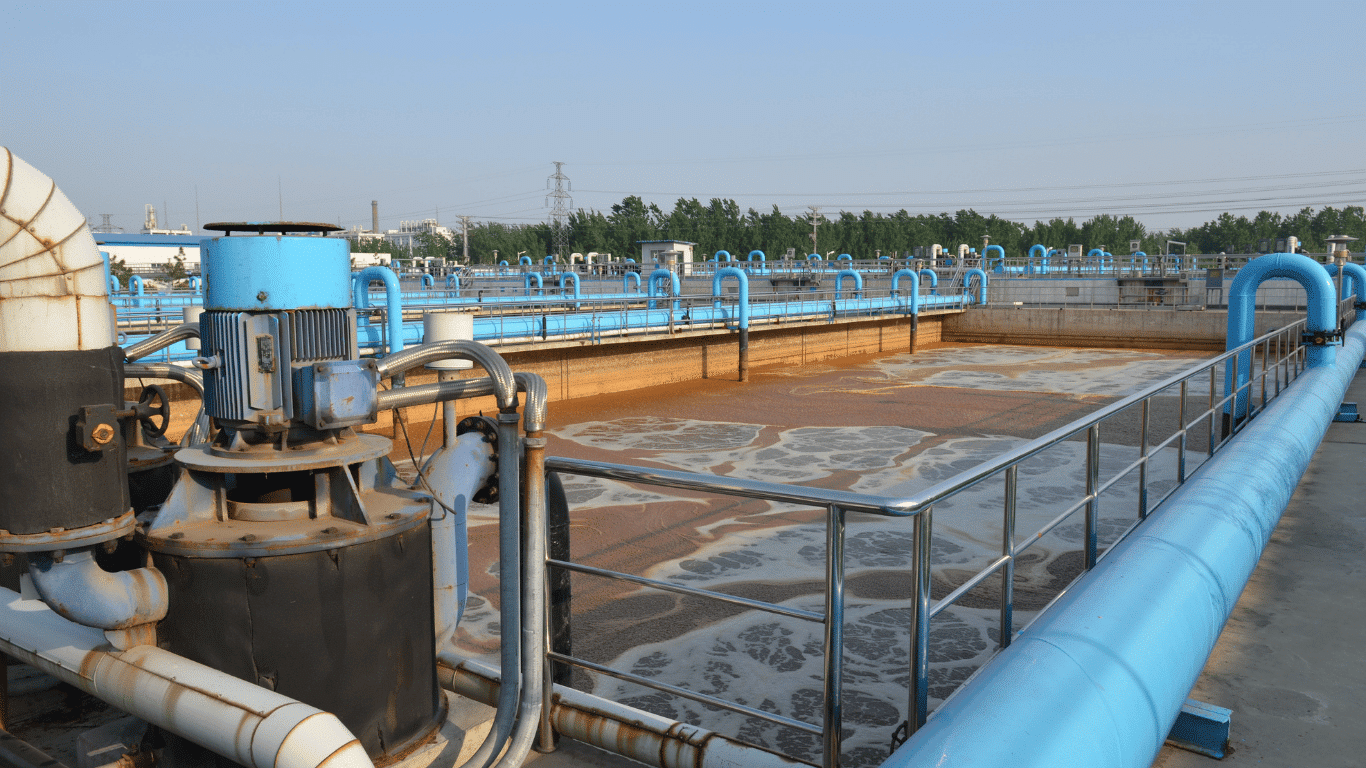
Power plants depend on water for cooling, steam generation, and emissions control. However, these operations also produce wastewater containing dissolved minerals, suspended solids, treatment chemicals, and other contaminants. Effective power plant wastewater treatment helps facilities manage these streams, protect surrounding waterways, and maintain reliable operations. The right approach depends on the plant’s processes, water quality requirements, and discharge limits.
Understanding Wastewater Streams in Power Plants
Power plants generate several types of wastewater, and each stream requires attention based on its source and composition. Coal-fired power plants, for example, produce wastewater from cooling systems, ash handling, flue gas desulfurization, boiler operations, and equipment cleaning. Natural gas-fired and nuclear power plants also produce wastewater, although their treatment priorities may differ.
Cooling tower blowdown is one of the most common wastewater streams in facilities that use recirculating cooling systems. As water evaporates, dissolved minerals and treatment chemicals become more concentrated. Operators must periodically remove a portion of this water to control the concentration cycle and prevent scale formation, corrosion, and biological growth.
Boiler blowdown, water pretreatment reject, and equipment wash water create additional treatment demands. Boiler blowdown contains concentrated dissolved impurities, while flue gas desulfurization wastewater from coal-fired power plants can contain heavy metals and suspended solids. Separating these streams at the source helps operators select appropriate treatment processes and avoid unnecessary treatment costs. The U.S. Environmental Protection Agency (EPA) identifies several of these streams in its steam electric power generating effluent guidelines.
Common Challenges in Power Plant Wastewater
High dissolved solids make cooling tower blowdown particularly challenging to treat. As the concentration cycle increases, calcium, magnesium, silica, and other dissolved constituents can reach levels that complicate water reuse. Biocides and corrosion inhibitors may also remain in the water, requiring additional treatment before discharge or reuse. Operators need to monitor water chemistry and adjust blowdown rates to balance water efficiency with equipment protection.
Heavy metals and suspended solids present another concern, especially in coal-fired power plants. Ash handling and flue gas desulfurization processes can introduce contaminants that require targeted removal. Chemical precipitation, clarification, and filtration can help separate these pollutants from wastewater before further treatment. The specific combination depends on the contaminants present, their concentrations, and the facility’s discharge requirements.
Temperature also matters. Warm cooling-water discharges can harm aquatic ecosystems when they raise the temperature of receiving waters beyond acceptable levels. Facilities must therefore manage thermal pollution alongside chemical contaminants. Effective wastewater management protects local water resources, reduces operational risks, and supports environmental sustainability.
Key Power Plant Wastewater Treatment Technologies
A well-designed treatment system typically combines several processes rather than relying on one technology. The treatment sequence should address the wastewater’s characteristics, the required effluent quality, and the facility’s plans for reuse or discharge.
Physical and Chemical Treatment
Physical treatment removes suspended material before more advanced processes. Screening, sedimentation, and filtration help separate particles, while clarification allows solids to settle out of the water. These steps can reduce the contaminant load on downstream equipment and improve overall treatment performance.
Chemical treatment addresses contaminants that physical separation cannot remove effectively. Operators may use pH adjustment, chemical precipitation, and coagulation to remove heavy metals and suspended solids. For example, chemical precipitation converts certain dissolved metals into particles that can settle or be filtered out. Facilities must then manage the resulting sludge through appropriate dewatering and disposal procedures.
Membrane Filtration and Reverse Osmosis
Membrane filtration provides additional contaminant removal when conventional treatment cannot achieve the required water quality. Ultrafiltration can remove fine suspended solids and other particles, while reverse osmosis separates many dissolved salts and impurities from the water. These technologies can support water reuse and reduce the amount of fresh water a facility needs.
Reverse osmosis is particularly useful when cooling tower blowdown contains elevated total dissolved solids. However, membrane systems require suitable pretreatment to control fouling and scaling. Operators should also plan for concentrate management because reverse osmosis produces a residual stream containing concentrated dissolved constituents.
For facilities evaluating these options, ProChem’s membrane filtration systems provide a relevant starting point for understanding available treatment approaches. The final system design should reflect actual water analysis, operating conditions, and the quality required for the intended reuse.
Boiler Feedwater Treatment
Boilers require carefully controlled feedwater to maintain steam quality and protect heat transfer surfaces. Dissolved minerals can form scale, while oxygen and other corrosive constituents can damage boiler components. Poor feedwater treatment may increase maintenance requirements, reduce boiler efficiency, and compromise reliable steam generation.
A typical boiler feedwater treatment train may include filtration, softening, reverse osmosis, and ion exchange. High-pressure boilers often require ultrapure water with very low dissolved solids. The appropriate combination depends on boiler pressure, feedwater specifications, and the quality of the incoming water.
Operators should regularly monitor conductivity, hardness, silica, and other relevant parameters. These measurements help identify treatment problems early and maintain optimal system operation. ProChem’s ion exchange systems offer another treatment option to consider when a facility needs to control specific dissolved ions.
Water Reuse and Zero Liquid Discharge
Water reuse helps power plants reduce freshwater demand and limit wastewater discharge. After suitable treatment, facilities may reuse recovered water for cooling tower makeup, equipment washing, ash handling, or other applications that do not require ultrapure water. Matching the treated water quality to its intended use helps control costs without compromising equipment performance.
Zero liquid discharge (ZLD) takes water recovery further by aiming to eliminate routine liquid wastewater discharge from the designated treatment system. ZLD systems commonly combine pretreatment, membrane concentration, evaporation, and crystallization. They recover water for reuse while concentrating dissolved constituents into a solid or residual stream that requires appropriate handling.
Although ZLD can support stringent discharge requirements, it involves trade-offs. Evaporation and crystallization can require substantial energy, and highly concentrated residuals may create scaling, corrosion, and disposal challenges. Facilities should evaluate capital costs, energy consumption, water recovery targets, and residual management before selecting a ZLD approach. In some cases, partial recovery systems provide a more practical balance between water conservation and operating costs.
Improving Treatment Performance and Regulatory Compliance
Consistent monitoring helps operators identify changes in wastewater quality before they affect treatment performance. Flow meters, conductivity sensors, pH monitors, and other instruments provide information that supports timely adjustments. Automated controls can regulate chemical dosing, monitor operating limits, and alert teams when readings move outside established ranges.
Operators should also review treatment performance across individual wastewater streams. Segregating incompatible or highly contaminated streams can prevent unnecessary dilution and help facilities apply targeted treatment where it matters most. Regular equipment inspections, membrane maintenance, chemical optimization, and sludge management further support reliable operation.
Regulatory requirements should guide system design and ongoing performance reviews. In the United States, the EPA’s Steam Electric Power Generating Effluent Guidelines establish wastewater discharge requirements for covered facilities, with applicable limits depending on the wastewater stream and regulatory provisions. Facilities must also meet the conditions of their discharge permits and other applicable requirements. Teams should verify current federal, state, and local obligations rather than assume one treatment configuration satisfies every standard.
Building a More Effective Wastewater Treatment Strategy
A practical wastewater management strategy starts with a detailed assessment of the plant’s water balance and individual wastewater streams. Identify where each stream originates, measure flow rates, and test for dissolved solids, suspended solids, heavy metals, pH, temperature, and other relevant contaminants. These findings help determine which treatment processes can meet discharge limits or produce water suitable for reuse.
Next, compare treatment options based on removal efficiency, operating costs, energy demand, chemical consumption, maintenance needs, and residual handling. Establish monitoring procedures and performance targets so operators can evaluate the system over time. A treatment train that works well under one set of conditions may need adjustments when production loads, water sources, or discharge requirements change.
ProChem Inc. supports industrial facilities with water treatment systems, chemical programs, and related services tailored to operational requirements. If your facility is reviewing its wastewater management approach, explore ProChem’s treatment systems and solutions to identify options that fit your water quality goals and operating conditions. A well-planned power plant wastewater treatment strategy can help protect equipment, improve water recovery, support regulatory compliance, and reduce the environmental impact of power generation.
Discuss Your Wastewater Treatment Needs
Need help finding the right treatment approach for your power plant? Connect with ProChem Inc. to discuss your facility’s wastewater challenges and explore solutions that support efficient operations, water reuse, and environmental compliance.
Frequently Asked Questions (FAQ)
What contaminants commonly occur in power plant wastewater?
Power plant wastewater may contain dissolved solids, suspended solids, heavy metals, treatment chemicals, oils, and elevated temperatures. The contaminants depend on the plant’s fuel source, cooling system, emissions controls, and water treatment processes.
How does reverse osmosis help treat power plant wastewater?
Reverse osmosis uses a semipermeable membrane to separate water from many dissolved salts and other impurities. It can reduce total dissolved solids and produce water for suitable reuse applications. Pretreatment and concentrate management remain important for reliable operation.
Why is cooling tower blowdown difficult to treat?
Cooling tower blowdown contains concentrated dissolved minerals and may include biocides and corrosion inhibitors. These constituents can cause scaling, membrane fouling, or other treatment challenges. Operators must select treatment methods based on the water’s chemistry and intended end use.
Can power plants reuse treated wastewater?
Yes. Facilities can reuse appropriately treated wastewater for cooling tower makeup, washing, and other applications that match the recovered water’s quality. Advanced treatment may be necessary when the intended use requires lower dissolved solids or stricter water quality controls.
What is zero liquid discharge in power plant wastewater treatment?
Zero liquid discharge aims to eliminate routine liquid wastewater discharge from a designated treatment process. It typically combines water recovery and concentration technologies, such as reverse osmosis and evaporation, to recover reusable water and manage the remaining concentrated solids or residuals.
