
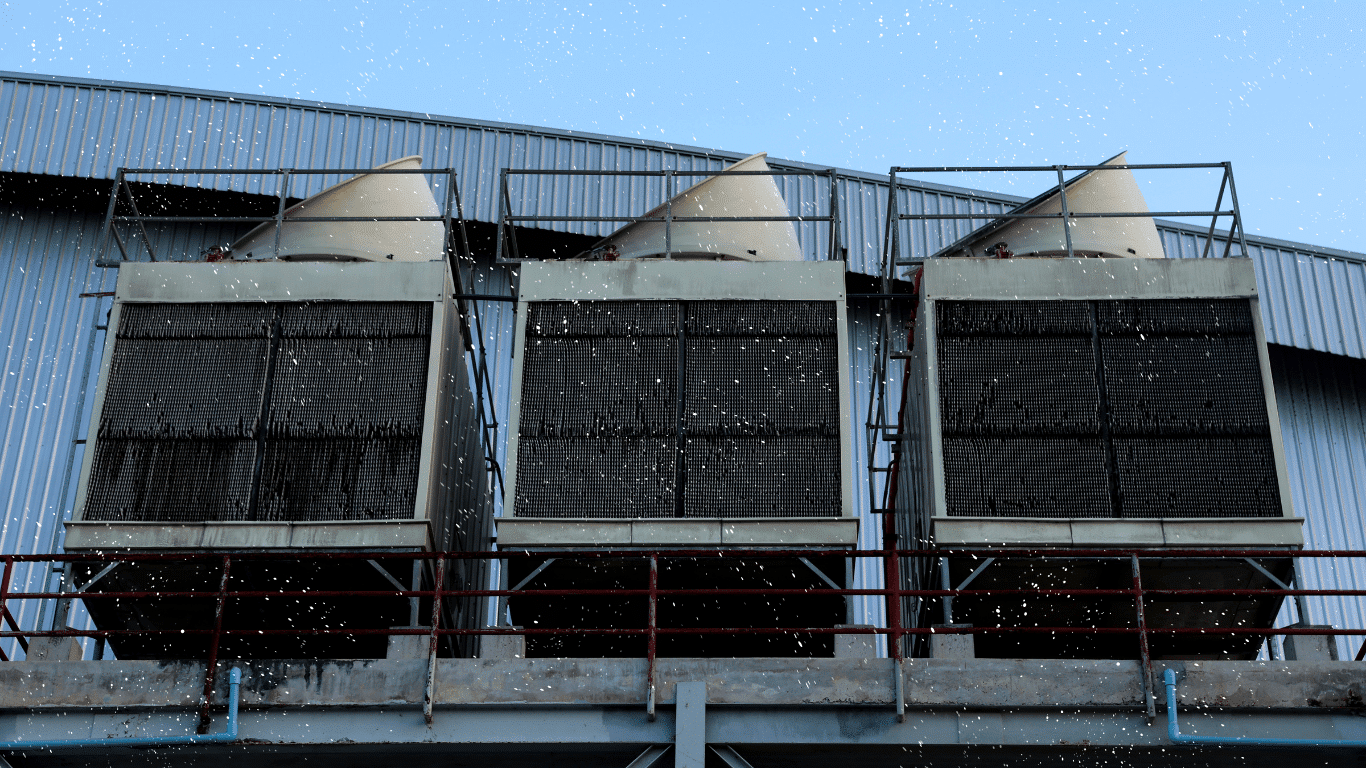
As temperatures drop, industrial cooling towers face a different set of operating challenges. Freezing water, ice accumulation, and stagnant conditions can damage equipment, interrupt operations, and create water quality concerns. Proper cooling tower winterization helps facilities prepare for these conditions while protecting critical components and maintaining system reliability. A well-planned approach also makes it easier to bring equipment back online when the cooling season returns.
Why Cooling Tower Winterization Matters
Water behaves differently in cold weather, and even a small amount of trapped water can create problems. Water expands by approximately 9% when it freezes, placing pressure on pipes, valves, pumps, and other components. This expansion can crack equipment, damage connections, and create leaks that require costly repairs. In industrial cooling towers, ice formation can also restrict airflow, interfere with water distribution, and place additional weight on structural components.
The risks extend beyond freezing temperatures. When operators shut down a tower system without proper preparation, stagnant water can remain inside the basin, piping, and connected equipment. These conditions encourage corrosion, sediment accumulation, and biological growth. Legionella bacteria can also proliferate in stagnant water, creating additional concerns when the system starts up and potentially releases contaminated aerosols. A thorough winterization process addresses both mechanical and water quality risks.
Facilities should also consider the financial impact of neglecting seasonal maintenance. Freeze-related damage can affect several connected components at once, increasing repair costs and extending downtime. In severe cases, ice accumulation can compromise cooling tower structures and create safety hazards. Proper preparation helps protect equipment lifespan, maintain reliable operations, and avoid costly repairs during the colder months.
Assessing Your Cooling Tower Before Winter
The first step in cooling tower winterization is understanding how the equipment will operate during the winter season. Not every facility follows the same shutdown schedule. Some industrial cooling towers continue operating throughout winter, while others experience reduced demand or a complete seasonal shutdown. Your winterization plan should reflect the tower’s operating status, expected temperatures, and the requirements of connected cooling systems.
Start with a thorough inspection of the tower structure and mechanical components. Look for cracks, corrosion, loose connections, damaged supports, and signs of deterioration. Pay close attention to the tower fill, spray nozzles, drift eliminators, fans, motors, and water distribution components. Check the basin and sump for sediment or debris that could restrict water flow. Also inspect connected pipes, valves, pumps, and heat exchangers for leaks or areas where water might collect.
Cleaning should also form part of the preparation process. Remove sediment, leaves, scale deposits, and other debris that may interfere with circulation or encourage microbial growth. An annual cleaning schedule helps control fouling and supports better heat transfer when the system returns to operation. For additional guidance, review ProChem’s cooling tower cleaning services, which address the importance of maintaining clean cooling equipment.
Preparing an Operating Cooling Tower for Cold Weather
Some facilities cannot afford to shut down their cooling towers during winter. Manufacturing processes, commercial buildings, and industrial operations may require continuous heat rejection even when outside temperatures fall below freezing. In these situations, operators should focus on maintaining adequate circulation and preventing localized ice formation throughout the system.
Keep water moving through the tower whenever operating conditions allow. Continuous pump operation helps reduce the risk of freezing in exposed pipes, distribution lines, and other vulnerable areas. However, operators must maintain the manufacturer’s minimum water flow rate rather than relying on circulation alone. Low flow can create cold spots where water freezes, even when other parts of the system continue operating normally.
Ice accumulation also requires regular attention. Inspect cooling tower fans, air inlets, louvers, and other exposed components during cold weather. Ice can obstruct airflow, affect fan balance, and increase mechanical stress. Maintain a consistent heat load when practical, since sudden changes in operating conditions can contribute to uneven cooling and ice formation. Monitor water temperatures and operating parameters closely so teams can identify developing problems before they affect the entire system.
Protecting the Basin, Pipes, and Connected Equipment
The cooling tower basin deserves particular attention during winter. Water in the basin remains exposed to outdoor temperatures, making it vulnerable to freezing when circulation or heat input decreases. Electric basin heaters help maintain water above freezing and protect the basin, suction piping, and pump connections. However, operators should verify that heaters work correctly and that their controller power source remains reliable throughout the winter season.
Insulation and heat tracing provide additional protection for exposed piping and vulnerable connections. Inspect insulation for moisture damage, missing sections, and deterioration. Check valves, strainers, and low points where water may collect. Pay particular attention to the pump suction line and foot valve, since trapped water can freeze and interfere with pump operation. For connected chillers, inspect the condenser piping and chiller condenser end bells according to the equipment manufacturer’s maintenance instructions.
Glycol may also provide freeze protection in compatible closed-loop cooling systems. However, operators should never assume that adding glycol directly to an open cooling tower basin or circulating water will provide a suitable solution. Glycol concentration, material compatibility, heat transfer requirements, and discharge restrictions all matter. Review the system design before introducing antifreeze solutions, and use equipment-specific recommendations to protect the entire cooling circuit.
Preparing a Cooling Tower for Seasonal Shutdown
When a facility plans a seasonal shutdown, the winterization process requires a different approach. Start by increasing blowdown as appropriate to reduce dissolved and suspended solids before shutdown. This helps limit deposits and concentrated contaminants that may remain in the system during the off season. Operators should also review the water chemistry and treatment program to determine the appropriate steps before draining or placing the equipment into layup.
Next, clean the cooling tower basin, sump, distribution system, and accessible internal components. Remove sediment and debris that could hold moisture or encourage biological growth. The treatment team should also review the pre-shutdown biocide program. Some treatment plans call for an increased biocide dose before shutdown, but operators should never automatically double the chemical amount without checking the product label, system conditions, and treatment specialist’s recommendations.
After cleaning and treatment, follow the manufacturer’s shutdown procedure. Drain water from exposed piping, pumps, strainers, and other components that cannot safely retain water during freezing conditions. Open designated low-point drains to remove trapped water, paying attention to the lowest point of each isolated section. The goal is to prevent frozen pipes and equipment damage. However, do not assume that every component requires complete drainage. Some systems need a specific wet-layup procedure to protect internal surfaces from corrosion.
Maintaining Water Quality During the Off Season
Winter maintenance does not end once operators shut down the cooling tower. Water left inside a system can still create problems, particularly when it remains stagnant for extended periods. Without proper treatment, corrosion and microbial growth can develop in basins, piping, and connected heat exchangers. These conditions may affect equipment performance and introduce water quality concerns during spring startup.
For systems that require wet layup, use an appropriate layup water treatment program. The treatment should protect metal surfaces from corrosion and control biological activity during the shutdown period. Depending on the system design and treatment requirements, operators may need to completely fill designated sections to minimize air exposure and follow a controlled recirculation procedure. Some programs specify approximately eight hours of recirculation after chemical addition, although the actual duration must follow the treatment supplier’s instructions.
Continue monitoring the system throughout the off season. Check water conditions, chemical levels, equipment protection measures, and any areas where stagnant water may collect. Pay attention to Legionella prevention as well. Bacteria can multiply in poorly maintained water systems, and contaminated water may aerosolize when operators restart pumps or restore normal operation. Maintaining an appropriate water management program helps reduce these risks. ProChem also provides cooling tower water treatment solutions to support water quality, corrosion control, and biological management.
Returning the Cooling Tower to Service in Spring
A successful winterization plan should also account for the next startup. Before restarting the cooling tower, inspect the structure, basin, piping, pumps, fans, and electrical connections. Look for cracks, corrosion, ice-related damage, loose hardware, and leaks that may have developed during the winter season. Check the tower fill, spray nozzles, and water distribution system for obstructions that could interfere with normal operation.
Next, restore water flow and verify that pumps, valves, heaters, and controls operate correctly. Remove temporary winter protection only when weather conditions allow. Flush the system as needed to remove accumulated debris and assess the water chemistry before resuming normal treatment. Operators should also inspect connected heat exchangers and chiller condenser end bells to identify any damage or contamination that may affect heat transfer.
Once the system starts, monitor temperatures, circulation rates, chemical concentrations, and other operating parameters. Watch for unusual vibration, restricted flow, leaks, and signs of biological activity. A controlled startup allows maintenance teams to identify problems early rather than discovering them during full production. Keep inspection records so operators can compare current conditions with previous seasonal shutdowns and improve future maintenance planning.
Building a Reliable Cooling Tower Winterization Program
Effective cooling tower winterization requires more than draining pipes or switching off equipment. Facilities need a coordinated approach that considers operating conditions, freeze protection, water treatment, and routine inspections. Start by identifying which components will remain operational, which require drainage, and which need wet-layup protection. Then establish clear procedures for cleaning, chemical treatment, equipment inspection, and seasonal monitoring.
For stronger long-term results, integrate winter preparation into your facility’s regular maintenance schedule. Review equipment conditions before temperatures drop, verify heater and pump operation, and confirm that operators understand the correct shutdown and startup procedures. ProChem helps industrial facilities develop water treatment strategies that support equipment protection and reliable system performance.
Connect with our team to discuss your cooling tower requirements and identify practical ways to prepare your system for colder operating conditions.
