
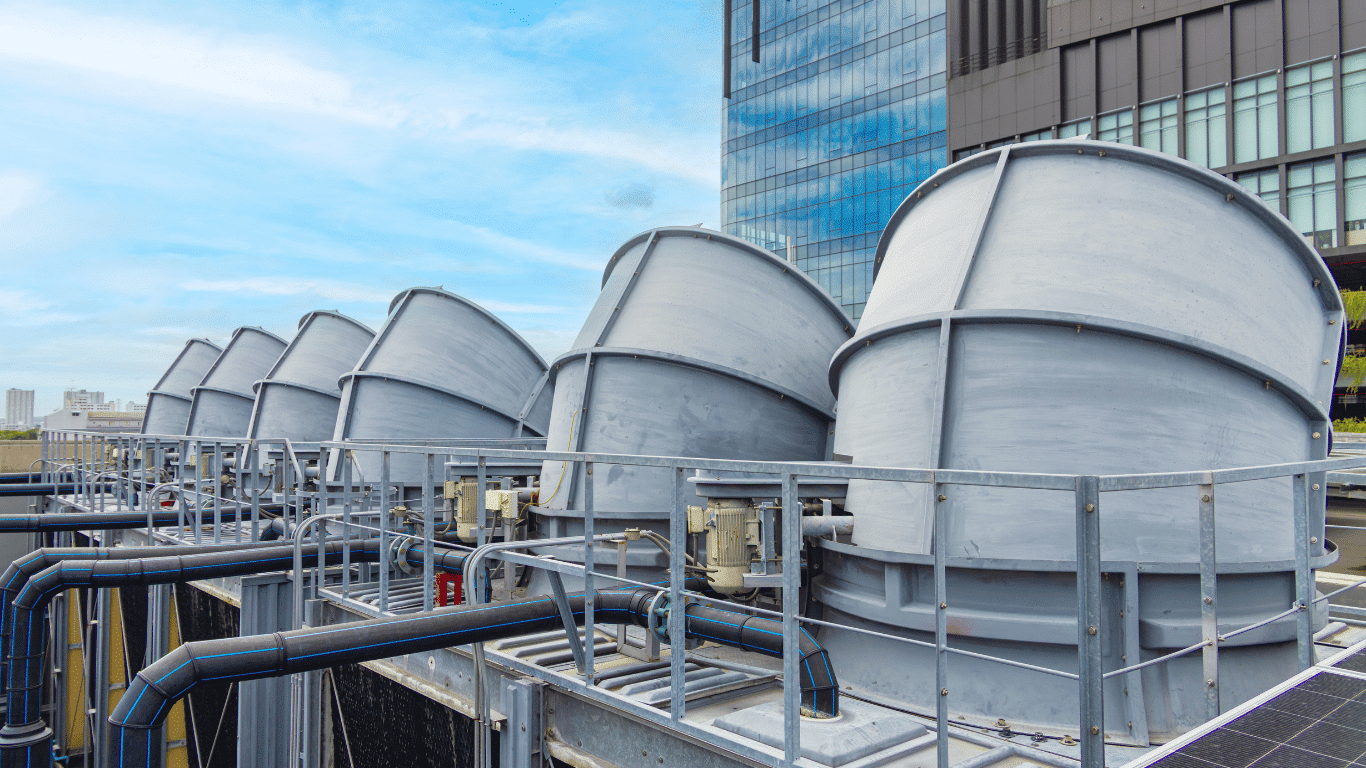
Corrosion can quietly damage a cooling tower long before operators notice a problem. As cooling water circulates through metal components, chemical reactions gradually weaken surfaces, affect heat transfer, and increase maintenance demands. Over time, these issues can threaten equipment reliability and disrupt facility operations.
A cooling tower corrosion inhibitor helps protect vulnerable metal surfaces and maintain stable system performance. However, choosing the right treatment involves more than adding chemicals to the water. You need to consider water chemistry, equipment materials, operating conditions, and the overall treatment strategy.
How Corrosion Develops in Cooling Tower Systems
Corrosion occurs when metal surfaces come into contact with water and oxygen, creating conditions for an electrochemical reaction. In cooling towers, continuous water circulation, temperature changes, dissolved salts, and chemical imbalances can accelerate this process. As a result, components made from mild steel, copper alloys, and other metals may gradually deteriorate.
At the metal surface, a corrosion cell develops when anodic and cathodic sites form. Metal dissolution takes place at the anode, releasing metal ions into the water, while reduction reactions occur at the cathode. High dissolved oxygen levels can accelerate these reactions and increase the corrosion rate, especially when water chemistry does not provide adequate protection.
Not all corrosion affects equipment in the same way. General corrosion causes gradual metal loss across a larger surface, while pitting corrosion creates small but deep cavities in localized areas. Galvanic corrosion can also develop when dissimilar metals come into electrical contact through conductive cooling water. These problems can weaken pipes, heat exchangers, and other plant equipment, eventually causing leaks, unplanned shutdowns, or serious equipment failures. For a closer look at how dissimilar metals contribute to this process, explore our guide to galvanic corrosion.
What Is a Cooling Tower Corrosion Inhibitor?
A cooling tower corrosion inhibitor is a chemical treatment that reduces the rate of metal deterioration in circulating cooling water. It works by interfering with the electrochemical reactions responsible for corrosion or creating a protective film that separates metal surfaces from corrosive conditions.
The exact protection mechanism depends on the inhibitor’s chemical composition. Some products encourage protective film formation at anodic sites, while others slow reduction reactions at cathodic sites. Film-forming inhibitors create a barrier between metal surfaces and water, helping limit metal dissolution even when the system operates under challenging conditions.
These treatments play an important role in industrial cooling systems because corrosion affects more than equipment lifespan. Corrosion products can accumulate on heat transfer surfaces and act as thermal insulators, reducing heat transfer efficiency. Consequently, the cooling tower and connected heat exchangers may require more energy to maintain their operating temperatures. Severe localized corrosion can also cause dangerous leaks or system shutdowns. A properly selected inhibitor helps maintain mechanical integrity, protect plant equipment, and support operational safety.
Types of Corrosion Inhibitors Used in Cooling Towers
Corrosion inhibitors fall into several categories based on how they interact with metal surfaces and control electrochemical reactions. Understanding these differences helps operators evaluate which treatment chemistry suits their cooling water systems.
- Anodic inhibitors: These chemicals slow metal dissolution by encouraging the formation of a protective layer at anodic sites. Phosphates, polyphosphates, molybdates, and certain zinc-based treatments can provide anodic protection. However, operators must maintain appropriate treatment concentrations because insufficient levels of some anodic inhibitors may contribute to localized attack.
- Cathodic inhibitors: These chemicals slow reduction reactions at cathodic sites, reducing the overall corrosion current. Depending on the formulation, they may limit oxygen-related reactions or create deposits that restrict contact between the metal and water.
- Film-forming inhibitors: These products establish a protective barrier across metal surfaces. Their films help reduce direct exposure to dissolved oxygen, dissolved salts, and other corrosive substances.
- Blended inhibitors: Many modern cooling tower programs combine anodic, cathodic, and film-forming chemistries. These multicomponent formulas provide different forms of protection and allow treatment specialists to address several corrosion mechanisms within one program.
The right cooling tower corrosion inhibitor depends on the system’s metallurgy, operating conditions, water quality, and applicable environmental regulations. For example, zinc-based treatments may offer effective protection in certain applications, but discharge requirements and compatibility considerations can limit their use. Molybdates can also provide anodic protection, particularly when the water contains sufficient dissolved oxygen.
Phosphates and polyphosphates can support corrosion inhibition by encouraging protective surface films, while phosphonates offer threshold scale inhibition and some mild corrosion protection. For systems with copper and copper-alloy components, azoles such as tolyltriazole and benzotriazole help protect vulnerable metal surfaces. In practice, many industrial cooling programs use proprietary blends that combine these chemistries for more consistent protection.
How Corrosion Inhibitors Work With Scale Control
Corrosion and scale often develop together, so treating one problem without considering the other can leave cooling equipment vulnerable. As water evaporates inside a cooling tower, dissolved minerals become more concentrated. Calcium and magnesium salts can then form deposits on pipes, heat exchangers, and other heat transfer surfaces.
Scale formation reduces the available area for heat transfer and creates conditions that may encourage under-deposit corrosion. Some deposits trap corrosive substances against metal surfaces, allowing localized corrosion to progress even when the bulk water chemistry appears acceptable.
This is where scale inhibitors complement corrosion treatment. These chemicals interfere with crystal growth and help keep mineral particles dispersed in circulating water. Phosphonates and other scale inhibitors can help control calcium carbonate deposits and reduce scale formation under suitable operating conditions. Operators should also monitor calcium hardness, alkalinity, pH, and dissolved solids to maintain an appropriate treatment balance.
Water chemistry adjustments also influence scaling potential. For example, controlled acid addition can lower pH and reduce calcium carbonate scaling tendencies. However, excessive acid feed can increase corrosion risk, so operators must carefully balance pH control with corrosion protection. The Langelier Saturation Index (LSI) can help evaluate whether water has a tendency to form or dissolve calcium carbonate. It should serve as one part of a broader water chemistry assessment rather than the sole indicator of system stability.
A well-designed treatment program considers scale and corrosion together. If you want to understand how these treatments work, our guide to cooling tower water treatment explains the broader chemical and operational strategies used to maintain cooling water quality.
Factors That Affect Corrosion Inhibitor Performance
Even effective corrosion inhibitors cannot deliver consistent results when operators overlook changing system conditions. Cooling tower water chemistry changes as the system operates, particularly when evaporation concentrates dissolved minerals and makeup water introduces additional impurities.
Several factors can influence inhibitor performance:
- Water chemistry: pH, alkalinity, calcium hardness, conductivity, and dissolved solids affect how inhibitors behave and form protective films.
- Dissolved oxygen: Higher oxygen concentrations can accelerate electrochemical reactions and increase corrosion rates.
- System metallurgy: Mild steel, galvanized steel, copper alloys, and stainless steel respond differently to treatment chemicals.
- Cycles of concentration: Higher cycles concentrate dissolved salts and treatment chemicals, which can affect both corrosion and scale formation.
- Operating temperature: Temperature fluctuations can influence reaction rates, chemical stability, and protective film formation.
- Biological activity: Biofilm and microbial deposits can create localized conditions that contribute to under-deposit corrosion.
Operators should also consider the compatibility of corrosion inhibitors with oxidizing biocides and other chemicals in the treatment program. For example, an incompatible chemical combination may affect inhibitor stability or reduce the effectiveness of protective films. A complete water treatment program must account for these interactions instead of evaluating each chemical independently.
Monitoring Corrosion and Evaluating Treatment Effectiveness
Chemical feed rates alone cannot tell you whether a cooling tower corrosion inhibitor protects your equipment effectively. Regular monitoring helps operators determine how the treatment performs under actual operating conditions and identify changes before they develop into costly problems.
Corrosion coupons provide one practical way to measure metal loss. Technicians install prepared metal samples inside the circulating water system, allow them to remain exposed for a specified period, and then evaluate their weight loss. The results help estimate the corrosion rate and assess whether the current treatment provides adequate protection.
A corrosion coupon rack allows technicians to monitor different metals under similar operating conditions. Facilities can use coupons made from mild steel and copper alloys to evaluate how the treatment performs across the system’s metallurgy. Operators should also review coupon appearance because localized pitting may indicate a problem that average weight-loss measurements do not fully reveal.
Electrical resistance methods offer another approach to monitoring corrosion. These instruments measure changes in the electrical resistance of a metal element as corrosion reduces its cross-sectional area. Unlike coupon testing, electrical resistance monitoring can provide more frequent readings, helping operators observe changes in corrosion activity over time.
For more reliable corrosion control, combine these methods with routine water testing. Monitor pH, conductivity, dissolved oxygen, inhibitor residuals, and other relevant water chemistry parameters. Compare the results with established operating targets and investigate unusual changes promptly. Our corrosion monitoring solutions provide additional insight into how facilities can track corrosion activity and evaluate equipment protection.
Building an Effective Cooling Tower Corrosion Control Program
An effective corrosion control strategy starts with understanding the cooling system rather than selecting a chemical based on a standard dosage. Each facility has different water sources, equipment materials, operating temperatures, and discharge requirements. These differences influence which inhibitor chemistry will provide suitable protection.
Start with a water analysis and review the system’s metallurgy, operating conditions, and existing treatment history. Use this information to select compatible corrosion inhibitors and scale inhibitors. Then establish appropriate chemical feed rates, monitoring intervals, and performance targets. Regular testing and corrosion coupon evaluations will help determine if the treatment needs adjustment.
You should also maintain proper filtration, blowdown, and biological control practices. These measures help limit suspended solids, mineral accumulation, and microbial growth that can interfere with corrosion protection. Keep accurate treatment records so operators can identify trends, investigate unexpected changes, and make informed adjustments.
Ultimately, protecting a cooling tower requires consistent attention to water chemistry and equipment conditions. Need a more reliable approach? Work with a water treatment specialist to evaluate your system and develop a treatment strategy around its actual operating requirements. Contact us to discuss a cooling water treatment program that helps control corrosion, protect critical equipment, and maintain dependable system performance.
