
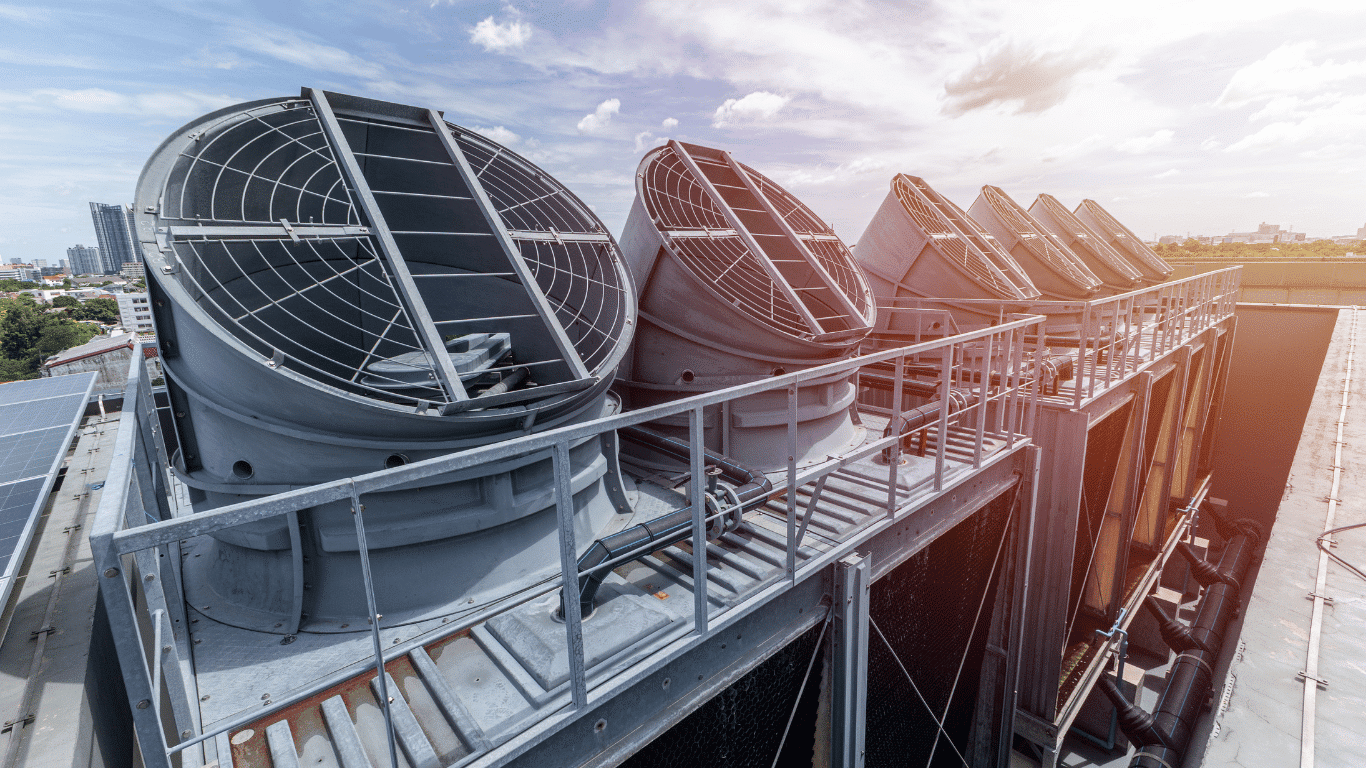
Corrosion, overheating, and rising operating costs often have one thing in common, poor heat rejection. Every industrial cooling system depends on its ability to remove unwanted heat quickly and efficiently. When that process slows down, equipment works harder, consumes more energy, and becomes more vulnerable to wear and unexpected failures. Understanding how heat rejection works is the first step toward improving system reliability and keeping operations running smoothly. In this guide, we’ll walk through the principles behind heat rejection, the methods industries use to manage it, and practical ways to improve long-term cooling performance.
What Is Heat Rejection?
Heat rejection is the process of removing unwanted heat from equipment so it can continue operating safely and efficiently. Heat naturally flows from a hotter object to a cooler one, and industrial systems rely on this basic principle every day. During normal operation, machinery generates excess heat through mechanical movement, compression, combustion, or other production activities. Without an effective heat transfer process, that heat builds up inside the equipment, reducing efficiency and placing unnecessary stress on critical components.
Think of heat rejection as a way of helping your equipment maintain balance. Instead of allowing temperatures to keep rising, the cooling process continuously carries heat away to the surrounding air or water. This protects equipment performance, reduces unnecessary energy use, and supports stable operation over the long term. In practical terms, good heat rejection is not just about keeping equipment cool. It helps facilities avoid overheating, minimize wear, and maintain consistent production even under demanding operating conditions.
How Heat Rejection Works in Industrial Cooling Systems
Every industrial cooling system follows the same objective, remove unwanted heat before it affects equipment reliability. In refrigeration and HVAC applications, this happens through the refrigerant cycle. The refrigerant absorbs heat from the equipment or conditioned space, then travels to the condenser, where that heat is released. As the refrigerant gives up its heat, it changes back into a liquid and continues circulating through the system. This continuous cycle allows equipment to stay cool even while operating under heavy loads.
The way heat leaves the condenser depends on the system design. An air cooled condenser transfers heat directly into the surrounding air, making it a practical option where water availability is limited. Meanwhile, water cooled condensers use water as the cooling medium, often working alongside a cooling tower that releases the absorbed heat into the atmosphere through evaporation. In some industrial processes, a coolant carries heat away from equipment before it reaches the condenser. Choosing the right heat rejection method depends on operating conditions, available resources, and the cooling demands of the facility.
Common Heat Rejection Methods
No single heat rejection method works for every facility. The right approach depends on the equipment, operating conditions, and the amount of heat that needs to be removed. Air cooling is one of the simplest options because it uses fans to move heat away from a condenser or heat exchanger. It works well for facilities with moderate heat loads or limited water availability. However, its efficiency often depends on the surrounding climate, since warmer outdoor temperatures make it more difficult to remove heat effectively.
Water cooling offers greater cooling capacity for demanding industrial systems. Instead of relying on air alone, these systems use water to absorb heat before sending it to a cooling tower, where evaporation releases it into the atmosphere. Many manufacturing plants, power facilities, and large HVAC installations choose this approach because it handles higher heat loads more efficiently. Heat exchangers also play an important role in this process, transferring heat between two fluids without allowing them to mix. This makes them ideal for applications that require precise temperature control or contamination prevention.
Some industries also use evaporative cooling and thermal radiation to manage heat under specific operating conditions. Evaporative cooling delivers excellent efficiency in suitable environments, while radiative cooling becomes essential in specialized applications where conventional cooling methods are limited. Selecting the best solution involves evaluating different factors, including available utilities, equipment layout, maintenance requirements, operating costs, and environmental conditions. Advances in cooling technology continue to give facilities more options, but the most effective system is always the one that matches the application’s performance goals and long-term operating needs.
Why Efficient Heat Rejection Matters
Efficient heat rejection does much more than keep equipment cool. It directly influences system performance, operating costs, and long-term reliability. When a cooling system removes heat efficiently, it uses less power to maintain target temperatures, leading to lower energy consumption and meaningful energy savings over time. Just as importantly, preventing more heat from building up inside critical components reduces mechanical stress, protects lubricants, and minimizes the risk of premature equipment failure. These are practical benefits that every facility can appreciate, especially when uptime is a priority.
Reliable heat rejection also supports safer operations and a more sustainable environment by reducing wasted energy and extending the service life of valuable assets. Teams that understand the principles behind heat movement can often identify opportunities to improve efficiency before small issues become expensive repairs. If you’d like a deeper understanding of the science behind this process, explore our guide on the Fundamentals of Heat Transfer. A solid understanding of heat transfer makes it easier to optimize cooling performance, reduce downtime, and keep industrial systems operating at their best.
Problems That Reduce Heat Rejection Performance
Even the best-designed cooling systems lose efficiency when routine maintenance is overlooked. One of the most common issues is scaling, which forms when dissolved minerals accumulate on heat transfer surfaces. Fouling from dirt, biological growth, or process contaminants creates a similar problem by insulating equipment and slowing the movement of heat. Poor water quality often accelerates both conditions, forcing the condenser and other cooling components to work harder than necessary. Left untreated, these problems gradually reduce system performance and increase operating costs.
Corrosion presents another serious concern because it weakens metal surfaces, restricts flow paths, and shortens equipment life. A clogged condenser can no longer release heat efficiently, while worn pumps may struggle to circulate water or refrigerant at the required rate. Operators should also pay close attention to the cooling tower. Plugged fill media, damaged drift eliminators, uneven water distribution, or inadequate airflow can all reduce the tower’s ability to reject heat, especially during periods of high demand.
Many of these problems develop slowly, which makes regular inspections especially valuable. We encourage operators to monitor water chemistry, inspect equipment for early signs of scale or corrosion, and address small issues before they affect the entire system. Several factors, including water quality, operating conditions, and maintenance frequency, influence long-term reliability. If you’re looking for practical ways to keep your cooling tower operating efficiently, our guide to Cooling Tower Water Treatment explains treatment strategies that help protect equipment and maintain consistent cooling performance.
Improving Heat Rejection Through Better Water Treatment and Maintenance
One of the best ways to improve heat rejection is to stay ahead of problems instead of reacting to them after they affect production. We always recommend starting with consistent monitoring. Keep an eye on operating temperatures, flow rates, pressure, and water quality trends so you can catch small changes early. A well-maintained cooling system performs more consistently because operators have the information they need to make timely adjustments before efficiency begins to decline.
Water chemistry also plays a major role in protecting cooling equipment. Balanced treatment programs help prevent scale, corrosion, and biological growth that interfere with heat transfer. Pairing effective water treatment with routine cleaning, equipment testing, and preventive maintenance keeps critical systems operating as intended. Routine inspections of condensers, cooling towers, pumps, and piping also help identify wear before it develops into an expensive repair. This proactive process not only improves reliability but also helps facilities avoid unexpected shutdowns.
Modern automation makes system optimization even more effective. Smart monitoring and control technologies can track key operating conditions in real time, allowing teams to respond quickly when performance begins to change. Combined with a well-designed maintenance program, these tools improve equipment performance, reduce unnecessary energy use, and support long-term reliability. If you’re interested in learning more about solutions that improve cooling efficiency, explore our guide to Water Treatment Technologies. Applying the right strategy today delivers lasting benefits for your equipment, operating costs, and overall facility performance.
Keeping Cooling Systems Performing at Their Best
Strong heat rejection doesn’t happen by chance. It comes from a combination of sound system design, good water quality, routine maintenance, and consistent monitoring. Every cooling system operates under different conditions, so the best approach is to understand how your equipment performs over time and respond before small issues become major repairs. Paying attention to temperature trends, water chemistry, and equipment condition helps maintain efficiency, extends equipment life, and keeps operations running with fewer interruptions.
Improving cooling performance is an ongoing effort, not a one-time project. Small adjustments, regular inspections, and the right treatment program can make a noticeable difference in reliability and operating costs over the long term.
Looking for practical ways to strengthen your heat rejection strategy? Talk to our experts. ProChem Inc. can help assess your cooling system, identify opportunities for improvement, and recommend tailored water treatment and maintenance solutions that support dependable performance, lower operating costs, and longer equipment life.
