
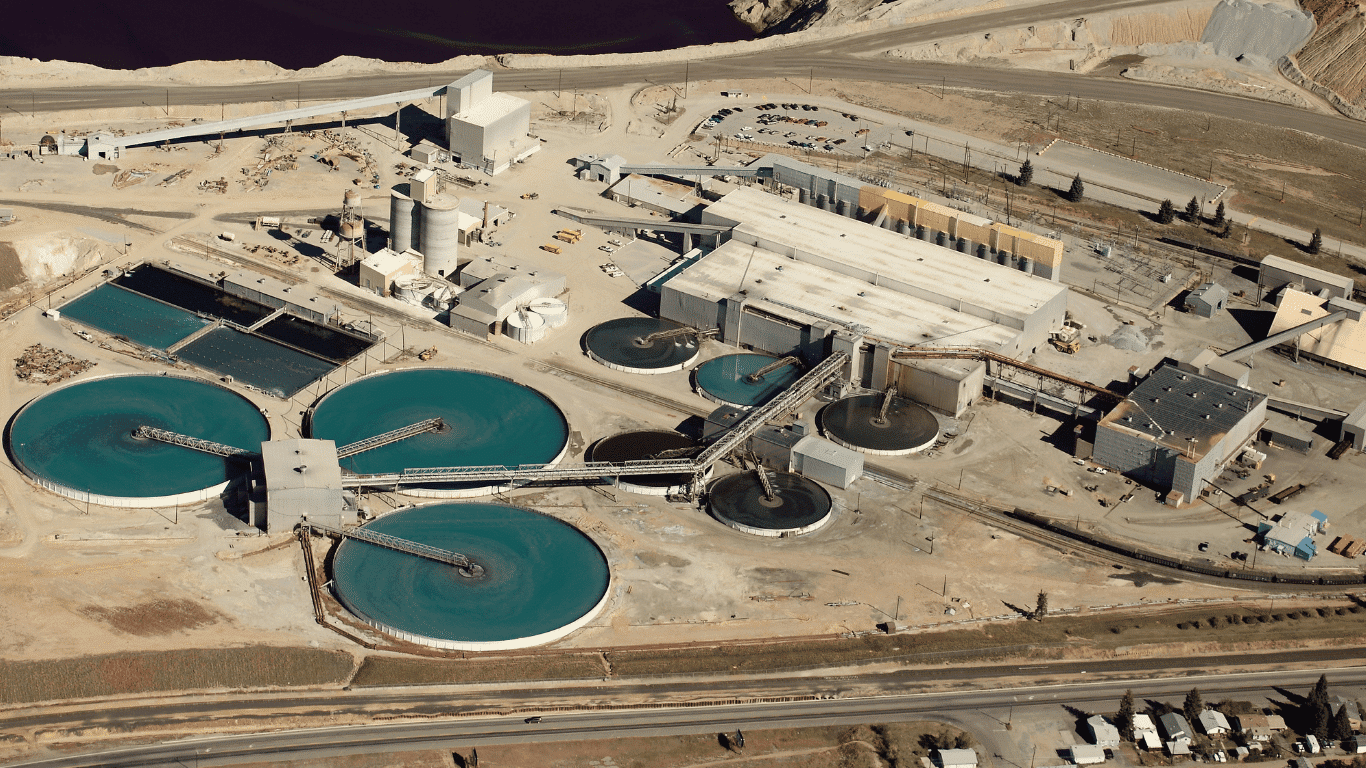
Mining depends on water at nearly every stage, from ore processing and dust control to equipment cleaning and site management. At the same time, these activities can produce complex wastewater that requires careful handling to protect nearby water resources and keep operations running efficiently. That is why mining water treatment has become an essential part of modern mining operations. The right water treatment approach helps maintain reliable mining water quality, supports regulatory compliance, and reduces operational risks. Throughout the mining industry, effective treatment strategies also play an important role in improving sustainability and long-term performance.
Why Mining Water Treatment Matters
Every mine site depends on reliable water management to keep production moving while protecting the surrounding environment. As mining activities extract and process minerals, they also generate mining wastewater that may contain sediment, process chemicals, heavy metals, and other contaminants. Without proper wastewater treatment, these pollutants can enter nearby waterways, affecting water quality, damaging ecosystems, and creating costly compliance issues.
Effective mining water treatment does more than prepare water for discharge. It helps mining companies manage contaminated water, reduce operational risks, and use available water resources more responsibly. In many regions where freshwater supplies are limited, treating and reusing water can lower demand on local sources while helping operations remain productive. At the same time, cleaner water reduces scaling, corrosion, and buildup in equipment, which supports more reliable plant performance and lower maintenance costs.
We often remind operators that water management should never become an afterthought. A well-designed treatment strategy protects both the operation and the surrounding environment. It minimizes the environmental impact of mining activities, supports regulatory compliance, and helps facilities adapt to changing water conditions throughout the life of the mine. When water quality remains consistent, the entire operation benefits, from daily production to long-term sustainability.
Common Water Challenges Across Mining Operations
No two mining sites face exactly the same conditions, but many deal with similar wastewater challenges throughout the life of the operation. Water comes into contact with exposed rock, ore, chemicals, and fine sediments, changing its quality before it can be reused or discharged. Even process water that circulates within the plant can accumulate contaminants over time, making regular monitoring and treatment essential.
One of the most well-known concerns is acid mine drainage, which develops when sulfide minerals react with air and water. This process can lower pH levels and release dissolved metals into nearby water sources. At the same time, runoff and production activities introduce suspended solids, suspended particles, and other toxic substances that can interfere with treatment processes, damage equipment, and increase environmental risks if left unmanaged. Water collected from active or inactive sites is often classified as mining influenced water, and it typically requires a treatment approach based on its specific characteristics.
Mining operations also rely heavily on water for dust control, especially in haul roads, stockpiles, and crushing areas. Meanwhile, tailing ponds store water mixed with fine waste materials after mineral processing. These ponds require careful management because changing weather conditions, seepage, or overflow can affect surrounding water bodies. The challenge becomes even greater at remote areas, where limited infrastructure, difficult access, and changing water quality demand reliable, adaptable treatment systems that can operate consistently with minimal disruption.
Where Mining Water Comes From
Water moves through nearly every stage of mining operations, which means it serves many purposes before it becomes mining wastewater. Freshwater, recycled water, and groundwater all support activities such as drilling, ore transport, equipment washing, dust suppression, and mineral processing. As water passes through these processes, it picks up sediments, dissolved minerals, and other contaminants that change its quality.
A large portion of this water becomes process water, which operators often recover and circulate through the facility to reduce freshwater demand. However, repeated use allows contaminants to accumulate, making routine treatment essential for maintaining an efficient water management strategy. If water quality declines, scaling, corrosion, and process inefficiencies can quickly follow, affecting both production and equipment reliability.
Rainfall, groundwater infiltration, and runoff also contribute to contaminated water at a mine site. These additional water sources can introduce varying contaminant levels, making treatment more complex throughout the year. We encourage operators to understand how water moves through the entire water system, not just individual treatment units. A complete picture helps identify opportunities to improve water reuse, reduce waste, and maintain consistent water quality across the operation.
Core Mining Water Treatment Technologies
No single solution can treat every type of mining wastewater. The most effective water treatment technologies combine multiple treatment technologies to address the unique water quality challenges at each site. We always recommend starting with a thorough water analysis so operators understand which contaminants are present before selecting the right treatment systems. This approach helps identify specific contaminants and ensures each treatment step delivers the greatest benefit.
Physical, chemical, and biological methods each play a different role. Chemical precipitation removes dissolved metals by converting them into solids that can be separated from the water, while other chemical treatments adjust pH, improve coagulation, or prepare water for additional treatment stages. These various processes work together to improve efficiency while removing contaminants that could affect equipment or regulatory compliance. Membrane systems also become valuable when higher water quality is required. Reverse osmosis removes dissolved salts, metal ions, and other fine impurities that conventional filtration cannot capture. If you want to learn more about membrane filtration, read our guide to Industrial Reverse Osmosis Systems, which explains where this technology fits into industrial water treatment.
Many facilities also use ion exchange to selectively remove dissolved contaminants that remain after earlier treatment stages. In addition, biological treatment relies on naturally occurring microorganisms and other biological processes to break down certain pollutants under the right conditions. Rather than relying on a single method, most mining operations achieve better results with robust water treatment systems that combine several technologies into one coordinated process. A modern wastewater treatment plant often integrates clarification, filtration, membrane separation, and chemical treatment to maintain consistent water quality, support water reuse, and adapt to changing site conditions.
Managing Tailings and Water Reuse
Effective tailings management plays a major role in responsible mining water management. After mineral processing, tailings contain fine solids, residual chemicals, and large volumes of water that require careful handling. Recovering and treating this water reduces the amount of freshwater needed across the operation while lowering the risk of environmental contamination. As water scarcity becomes a growing concern in many mining regions, more operators are prioritizing water recovery and water reuse to improve long-term reliability.
Reusing treated water also helps facilities reduce operating costs and lessen their environmental footprint. Many treatment systems are designed to reuse water for applications such as dust suppression, ore processing, and equipment washing instead of relying solely on new water supplies. When discharge is necessary, facilities should meet permit requirements for safe discharge to protect nearby waterways. Some operations also incorporate advanced concentration technologies to reduce liquid discharge, while brine concentration systems further minimize wastewater volume before final disposal or recovery.
We encourage mining companies to view water reuse as more than a conservation effort. It is one of the most practical sustainable solutions for improving operational resilience while protecting valuable water resources. A well-planned reuse strategy supports compliance, reduces freshwater demand, and prepares mining operations for future environmental and operational challenges.
Improving Operational Efficiency Through Better Water Management
Strong water management does more than support compliance. It also improves operational efficiency across the entire facility. Many mining companies recognize that consistent water quality helps protect process equipment, reduce unplanned downtime, and extend the service life of pumps, pipelines, and other critical assets. When treatment systems operate as intended, facilities spend less time responding to water-related issues and more time maintaining production.
Effective water treatment programs rely on regular testing, routine maintenance, and remote monitoring to identify changing water conditions before they become larger problems. Tracking key water quality parameters allows operators to make timely adjustments that improve system performance and maintain an efficient water management strategy throughout the operation. If you’d like to learn more about monitoring techniques, our guide to Water Quality Monitoring explains why continuous data plays such an important role in industrial water treatment.
Across the mining sector, proactive water management also improves cost effectiveness. Preventing scale, corrosion, and treatment disruptions often costs far less than repairing damaged equipment or managing unexpected shutdowns. We encourage operators to review water performance regularly and refine treatment strategies as site conditions change. Small improvements made today can deliver measurable operational and financial benefits over the life of a mine.
Building a Long-Term Water Management Strategy
A successful water management strategy should evolve alongside the mine. Water quality, production demands, and regulatory requirements often change throughout the life of an operation, so treatment plans need regular review and adjustment. Staying ahead of environmental regulations and meeting stringent environmental standards helps reduce compliance issues while minimizing environmental risks. At the same time, reliable water treatment supports operational stability and strengthens long term sustainability.
Strong planning also builds trust beyond the mine site. Responsible water management helps protect nearby ecosystems and the water resources that local communities depend on. This commitment supports a company’s social license to operate while helping treatment plants perform consistently under changing conditions. Instead of reacting to water quality problems, operators should focus on continuous improvement and proactive system optimization.
Every mine has different water challenges, so the best mining water treatment strategy should reflect the site’s water quality, operational goals, and compliance requirements. If you’re exploring ways to improve your treatment approach, our guide to Mining Wastewater Treatment provides additional insights into proven treatment methods and system design. Need guidance tailored to your operation? Our team can help you develop practical water treatment solutions that improve performance, support regulatory compliance, and position your facility for long-term success.
