
Stable pH levels support almost every part of the process. pH control helps operators protect equipment, improve chemical performance, and maintain consistent water quality across the system. Since pH measures the hydrogen ion concentration in water, even small shifts on the pH scale can change acidity, affect treatment results, and create operational problems over time. Teams that prioritize regular measurement and monitoring often catch issues early, before corrosion, scaling, or process instability begins affecting production and overall system performance.
Why pH Levels Matter in Industrial Systems
Many operators first notice the importance of pH control when corrosion or scale begins affecting daily operations. Water with acidic conditions can slowly damage pipes, tanks, and other critical equipment, especially when the system runs continuously. On the other hand, high pH levels often encourage mineral scale buildup on heat transfer surfaces, reducing efficiency and restricting flow throughout the process. These problems increase maintenance demands and shorten equipment life if teams do not respond quickly. pH affects how chemicals react in water, so even small changes can disrupt treatment performance and create inconsistent operating conditions.
Industrial facilities also need stable pH levels to maintain discharge compliance and reliable treatment results. Alkalinity plays a major role because it helps water resist sudden pH changes that may occur during production shifts or chemical feed adjustments. Teams managing wastewater, cooling systems, or manufacturing operations usually monitor pH closely to maintain better control over the process and avoid unexpected shutdowns. Strong water chemistry management supports long-term reliability across the entire system. If you want a deeper look at how water conditions influence industrial performance, explore our guide on water chemistry.
Understanding the pH Scale and Measurement Methods
Operators rely on accurate pH testing to maintain stable water conditions across industrial systems. The pH scale measures how acidic or alkaline an aqueous solution is, using a logarithmic function based on the negative logarithm of hydrogen ion activity. In simple terms, small shifts in pH values can represent major chemical changes inside a process line. Most facilities use digital ph meters, ph probes, and ph sensors for continuous monitoring because they provide fast measurement data and better process visibility. Regular calibration is important since even a small meter error can affect chemical feed rates, treatment efficiency, and overall system performance.
Manual testing still plays a role in many facilities, especially during troubleshooting or routine verification. Operators may use a ph test indicator by filling a test tube halfway with sample water and adding a few drops of reagent to determine the approximate ph range. This method works well for quick field checks, although automated systems provide more consistent long-term control. Facilities handling wastewater, cooling water, or chemical treatment processes often combine manual testing with online ph electrodes and digital monitoring tools to improve accuracy and respond faster when operating conditions begin to shift.
Common Causes of pH Fluctuations
pH fluctuations usually point to changes happening somewhere within the treatment process. In many systems, carbon dioxide entering through air exposure changes the balance between hydrogen ion and hydroxide ions in the water. This often happens in open tanks, storage basins, or areas with inconsistent flow conditions. Low flow rates can also create stagnant zones where chemicals fail to mix evenly throughout the solution. Operators frequently notice unstable readings near a mixing tank when dosing rates change too quickly or when circulation problems develop inside the system.
Industrial processes also experience pH instability when incoming water quality shifts throughout the day. Human activities such as production changes, cleaning cycles, chemical transfers, or wastewater discharge events can suddenly alter water chemistry. Some facilities react by increasing chemical feed immediately, but overcorrection sometimes creates even larger swings in pH levels. Teams usually get better long-term results when they focus on steady monitoring, gradual adjustments, and reliable instrumentation. Strong monitoring practices make it easier to identify trends before they affect the entire process. Our guide on water quality monitoring explains how facilities track changing conditions more effectively across industrial systems.
How a pH Control System Works
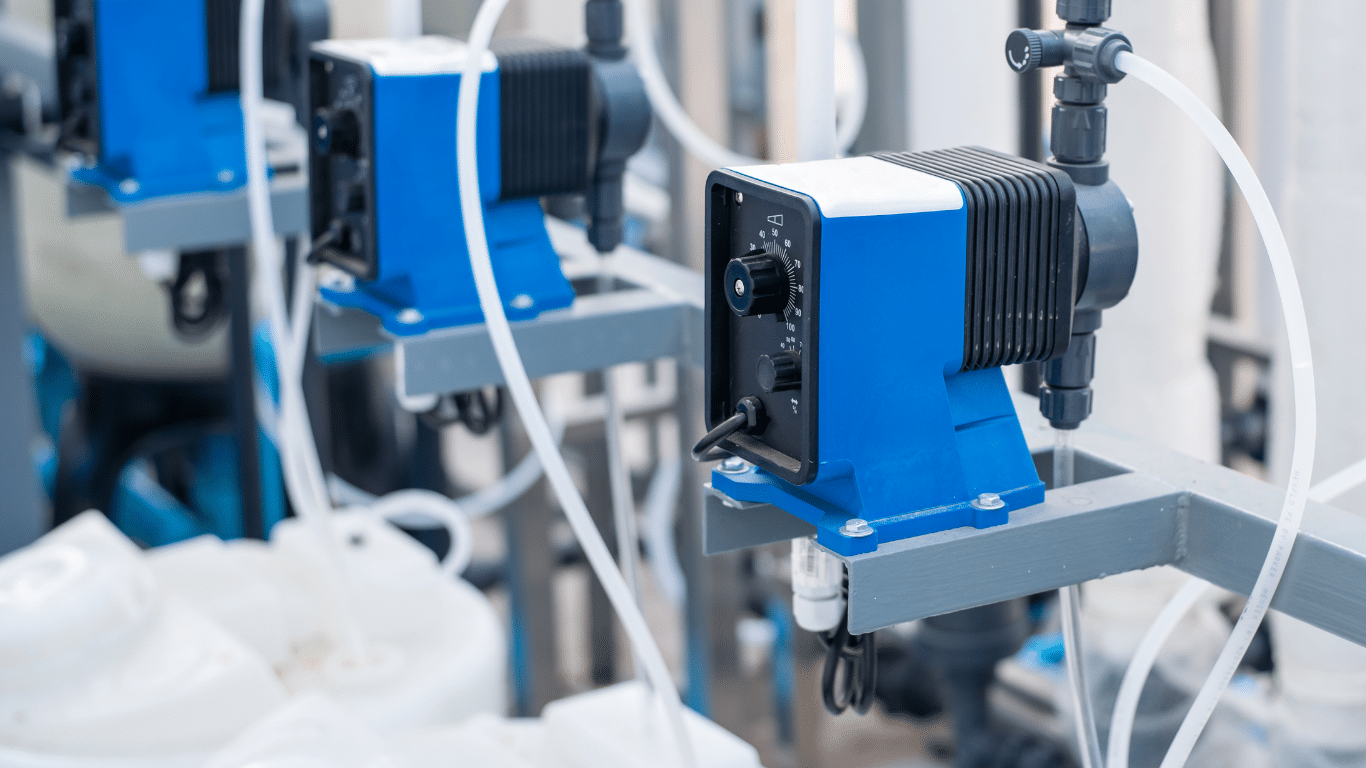
A modern ph control system continuously measures water conditions and responds automatically when readings move outside the target range. Most systems use ph sensors connected to a controller that interprets the measurement data and sends an output signal to dosing equipment. Once the controller detects that conditions need correction, the control system activates pumps or control valves to adjust chemical feed rates. This automated approach helps facilities maintain more stable water quality while reducing the need for constant manual adjustment.
Chemical dosing usually depends on the application and the direction of correction needed. Operators may add acid such as sulfuric acid to lower alkalinity and reduce alkaline conditions, while sodium hydroxide often raises pH when water becomes too acidic. Many facilities use a variable speed pump because it provides better control over liquid chemical delivery during changing operating conditions. Steady flow rates are important since uneven dosing can create unstable treatment results or unnecessary chemical consumption across the process line.
Reliable performance also depends on routine calibration and preventive maintenance. Even advanced equipment can produce inaccurate readings if sensors become coated, damaged, or improperly maintained. Teams should inspect pumps, chemical feed lines, and control valves regularly to confirm the system responds correctly during operation. Facilities that invest in accurate dosing equipment often improve treatment consistency and reduce operational issues over time. If you want to explore dosing technologies in more detail, see our guide on chemical metering pumps.
Industry Applications for pH Control
Different industries manage pH for different operational goals, which is why no single treatment approach works for every facility. In wastewater treatment, operators focus on protecting discharge quality, maintaining biological activity, and supporting stable process conditions throughout the system. Facilities involved in metal plating often require tighter pH control because chemical reactions and surface finishing quality depend heavily on stable water chemistry. Manufacturing operations also monitor dissolved oxygen and treatment conditions closely since pH changes can affect chemical efficiency, corrosion rates, and overall equipment reliability.
Agricultural and food production facilities also rely on proper pH management to support nutrient solutions and maintain consistent plant growth. Even small changes in water chemistry can limit nutrient availability or disrupt treatment performance over time. Environmental applications require careful monitoring as well because unstable pH conditions may harm aquatic ecosystems and affect overall water health. Every process handles different contaminants, flow conditions, and treatment objectives, so facilities usually benefit from a tailored solution that matches operational demands. For a closer look at how industrial facilities manage treatment challenges, explore our guide on industrial wastewater treatment system.
Building a Reliable pH Control Strategy
Facilities that monitor pH consistently often catch system problems before they become expensive shutdowns or compliance issues. Satisfactory ph control usually starts with accurate measurement, routine calibration, and a clear understanding of how the process responds to changing operating conditions. Operators should inspect sensors, controllers, and dosing equipment regularly because even small inaccuracies can affect chemical feed performance across the entire system. Strong maintenance practices also help teams adjust treatment settings gradually instead of reacting too aggressively to short-term fluctuations.
Long-term reliability comes from combining good operating habits with dependable treatment support. Teams that review trends, maintain clean equipment, and verify controller performance often see better process stability and lower maintenance costs over time. Every facility handles different water conditions, production demands, and treatment goals, so the right control strategy should match the realities of the operation.
Need guidance improving pH stability across your facility? Our team at ProChem Inc. can help evaluate your system, identify performance gaps, and recommend practical treatment solutions that support more consistent operation.
