
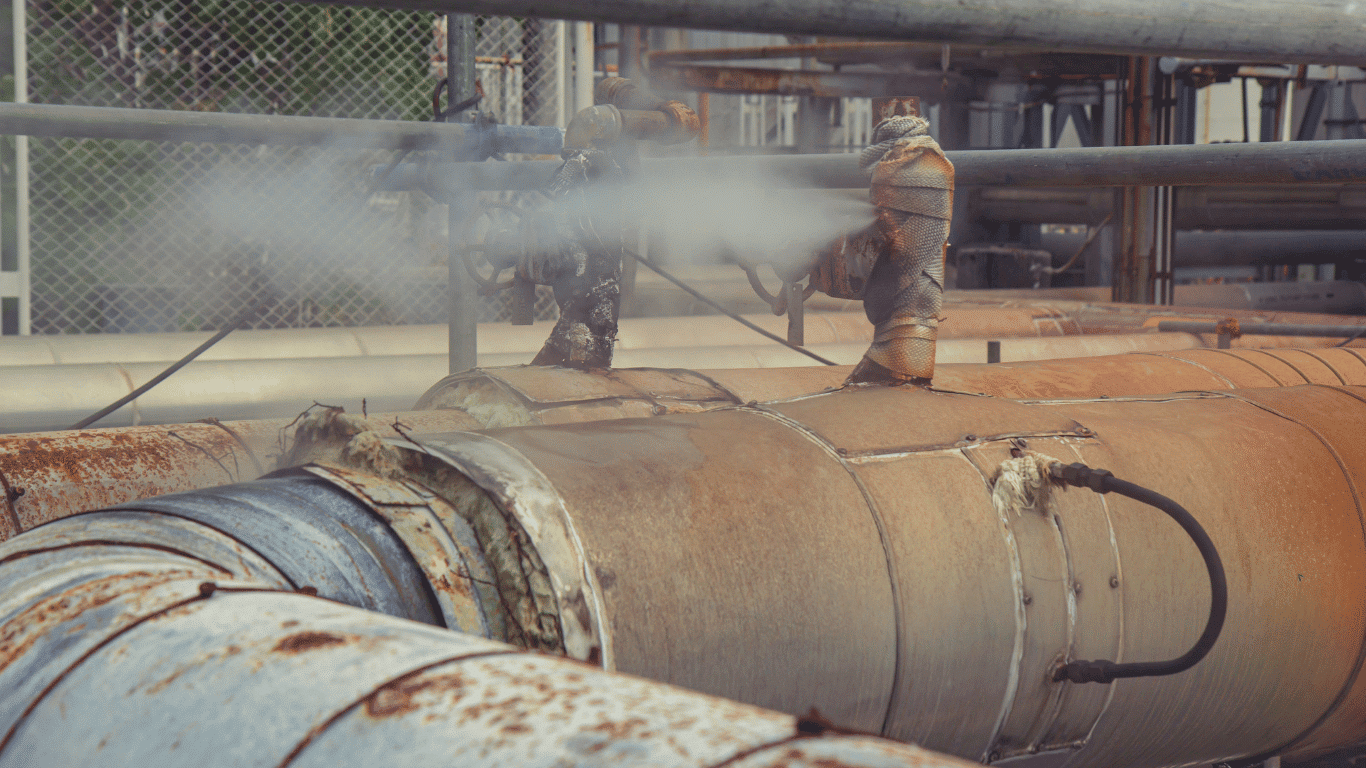
Pipelines rarely get a break. They move water, chemicals, oil, natural gas, and other fluids through demanding operating conditions, often around the clock. Over time, exposure to moisture, chemicals, soil, oxygen, temperature changes, and other environmental conditions can gradually weaken the metal. What starts as minor pipeline corrosion can develop into leaks, localized damage, or costly repairs if operators do not address it early.
A strong pipeline corrosion protection program looks beyond a single treatment or repair. The right approach considers how the pipeline operates, what it carries, and the conditions surrounding it. When operators build corrosion protection into routine maintenance and asset management, they can better protect pipeline systems, support long-term pipeline integrity, and reduce the risk of unexpected failures.
How Corrosion Develops in Pipeline Systems
Corrosion starts with an electrochemical process that gradually changes a metal from its stable state into a more chemically stable form. For a pipeline, the metal surface acts as one part of the process while moisture or another electrolyte provides a path for ions to move. These electrochemical reactions can transfer electrons through a metallic path, allowing corrosion to continue and slowly weaken the metallic structure. When operators understand these fundamentals, they can better identify where pipe corrosion may develop and which conditions need closer control.
Several factors can accelerate corrosion, including moisture, corrosive substances, temperature, water chemistry, and the surrounding corrosive environment. Contact between dissimilar metals creates another concern. When two metals connect electrically in the presence of an electrolyte, galvanic corrosion can occur, causing the less noble metal to corrode more quickly. The galvanic series helps operators compare the corrosion tendencies of different metals and make better decisions when selecting pipeline material or connecting components. Considering these environmental conditions during design and maintenance can reduce unnecessary corrosion risks.
Common Forms of Pipeline Corrosion
External corrosion develops on the outside of a pipeline when moisture, soil, chemicals, or damaged coatings expose the pipe to a corrosive environment. External pipeline corrosion can remain difficult to spot until it causes significant localized damage. One common example is pitting corrosion, which creates small openings that can grow into deep pits and gradually reduce the pipe wall thickness. Regular inspection helps operators identify these areas before they threaten pipeline integrity.
Internal corrosion develops inside the pipe when the transported fluid contains water, carbon dioxide, hydrogen sulfide, dissolved contaminants, or other corrosive compounds. These conditions can increase corrosion rates, particularly when operators cannot maintain consistent control over fluid chemistry. Over time, internal corrosion can thin the pipe wall, create deposits, and increase the risk of leaks. Operators should monitor the conditions inside the pipeline and address corrosive fluids before they cause extensive damage.
Other mechanisms can also affect pipeline systems. Stress corrosion cracking occurs when a susceptible metal faces tensile stress while exposed to a corrosive environment, creating cracks that can grow over time. Crevice corrosion can develop in oxygen-starved spaces around joints, fittings, or other tight areas. Stray current corrosion presents another concern when unwanted electrical current reaches the pipeline and causes localized attack. Recognizing these mechanisms helps teams choose the right inspection and corrosion control measures.
Protective Coatings as the First Line of Defense
Protective coatings give pipelines a physical barrier between the metal surface and moisture, chemicals, soil, and other corrosive elements. A well-designed coating system can significantly reduce direct exposure and help prevent corrosion before it starts. However, the coating must match the pipeline’s operating conditions. Teams should consider temperature, soil chemistry, chemical exposure, expected service life, and installation conditions when selecting a coating. Proper surface preparation and application matter just as much because even a high-performance coating can fail if it does not bond correctly.
Fusion bonded epoxy has become a widely used high-performance option for pipeline protection because it provides strong adhesion and good corrosion resistance. Since its introduction for pipeline applications, it has remained an important choice for protecting steel surfaces from external corrosion. Other coating systems can provide similar barrier protection, depending on the pipeline material and environment. For example, the Polyguard RD-6® Coating System provides a protective layer designed to help guard pipelines against external corrosion.
Coating performance also depends on what happens after installation. Scratches, impact, abrasion, and other forms of mechanical damage can expose the underlying metal and create entry points for corrosion. Some barrier coatings also use sacrificial pigments, which provide additional protection when the coating becomes damaged. Regular inspection helps teams identify coating deterioration early, allowing them to repair weak areas before corrosion spreads.
Cathodic Protection for Pipeline Corrosion Control
Cathodic protection uses controlled electrical current to reduce corrosion on a pipeline’s metal surface. The system changes the electrochemical conditions so the pipeline acts as the cathode, while another component supplies the current associated with the corrosion process. In practical terms, the goal is to make the pipeline the protected structure instead of allowing it to give up metal through corrosion. When properly designed and maintained, cathodic protection systems can work alongside coatings to provide another layer of corrosion protection.
Two main approaches serve this purpose. Sacrificial anode systems use a more active metal that corrodes instead of the pipeline steel. The anode gradually consumes itself, protecting the connected pipeline. Impressed current systems take a different approach. They use an external power source to send protective current through the electrolyte to the pipeline. Operators can adjust the output to maintain the level of protection the pipeline needs. The right cp system depends on pipeline size, coating condition, soil characteristics, and other operating factors.
Electrical isolation also plays an important role. Joint isolation at flanges and other connections helps prevent unwanted electrical pathways that can interfere with cathodic protection. Without proper isolation, stray current can follow an unintended metallic path instead of reaching the areas that need protection. Teams should regularly monitor cathodic protection systems, check current levels, inspect isolation components, and adjust the system as conditions change. Consistent monitoring helps maintain protection and supports long-term pipeline integrity.
Controlling Internal Corrosion
Managing internal corrosion starts with understanding what flows through the pipeline and how those fluids interact with the pipe wall. Water, dissolved gases, salts, and other corrosive substances can create conditions that gradually attack the metal. Operators can reduce these risks by controlling fluid chemistry, removing contaminants, selecting appropriate materials, and applying the right chemical treatment. Corrosion inhibitors can also form protective films on internal surfaces, helping limit direct contact between the pipe wall and corrosive fluids. For pipelines in the oil and gas industry, this approach becomes especially important when transported fluids contain water or other compounds that increase corrosion risk.
For natural gas pipelines, dehydration provides an important layer of corrosion prevention because removing water limits the conditions that support internal corrosion. Pipeline cleaning also helps remove deposits, contaminants, and other materials that can create localized corrosion sites. Operators often use pigs to clean the pipeline and support routine inspection without taking the entire system out of service. Along with material selection, cleaning, dehydration, and chemical treatment can help extend service life and reduce corrosion risks across demanding oil and gas and gas industry applications.
Choosing Materials for Long-Term Corrosion Resistance
Effective corrosion control starts before a pipeline enters service. Material selection should reflect the fluid being transported, operating pressure, high temperatures, chemistry, soil conditions, and expected service life. Choosing the right pipeline material can reduce corrosion rates and improve reliability, particularly in areas where exposure creates a higher risk of metal degradation. Teams should also consider how the selected material will interact with fittings, joints, coatings, and other components throughout the system.
For demanding applications, corrosion resistant alloys and other corrosion resistant materials can provide added protection against aggressive operating conditions. However, material choice should complement, rather than replace, other corrosion controls such as coatings, cathodic protection, and monitoring. Fiber-reinforced polymers can also improve corrosion resistance in applications where their strength, chemical resistance, and operating characteristics fit the service conditions. Taking these factors into account early helps operators build a more durable pipeline system and reduce avoidable maintenance needs.
Inspection, Monitoring, and Early Detection
Regular inspection and regular monitoring give pipeline operators a clearer picture of how corrosion develops over time. Instead of waiting for visible damage or a leak, teams can track changes in pipe wall condition, coating performance, and other indicators that point to developing problems. Early detection allows operators to address localized corrosion before it becomes a larger pipeline integrity concern. A consistent inspection program also supports scheduled maintenance, helping teams plan repairs and replacements based on actual system conditions rather than guesswork.
Non-destructive testing provides several ways to examine pipelines without removing or damaging the pipe. Ultrasonic testing can measure wall thickness and identify areas where corrosion has reduced the metal. Magnetic flux leakage can detect changes associated with metal loss, making it useful for identifying internal and external corrosion. Smart pigging technology can also inspect internal pipeline conditions while the system continues operating. These advanced technologies give teams more information to guide maintenance decisions. The goal is not simply to find corrosion, but to determine where it occurs, how quickly it develops, and which corrective action makes the most sense. Implementing regular maintenance schedules based on these findings helps operators maintain reliable pipeline systems.
Building a Layered Corrosion Prevention Program
Reliable pipeline corrosion prevention rarely depends on one treatment. Instead, operators should build a layered program that addresses corrosion from several angles. Start with appropriate material selection, then consider protective coating systems, cathodic protection, internal corrosion control, pipeline cleaning, regular inspection and monitoring, and scheduled maintenance. Each measure supports a different part of the system, giving operators more control over the conditions that can cause corrosion. This approach also makes it easier to adjust the corrosion protection strategy as operating conditions change.
Combining a durable coating system with cathodic protection systems can provide strong external corrosion prevention, particularly when coating damage exposes the underlying metal. Inside the pipeline, fluid chemistry management, cleaning, dehydration, and corrosion inhibitors can address internal risks before they threaten pipeline integrity. When teams bring these measures together, they can better protect pipelines, identify developing problems earlier, and strengthen their overall corrosion prevention program. The goal is a coordinated strategy where each layer supports the others rather than relying on a single control.
Supporting Pipeline Performance Through Water and Chemical Management
Water chemistry can have a direct impact on corrosion risk across connected pipeline systems and process equipment. Factors such as pH, dissolved minerals, oxygen, temperature, and chemical contaminants can create a corrosive environment and influence corrosion rates over time. That is why water quality control should remain part of a broader corrosion protection strategy. Depending on the application, the right treatment approach can help control the conditions that contribute to corrosion and support more consistent system performance. ProChem’s water treatment systems can support facilities that need to manage challenging water quality conditions.
Chemical treatment can provide another layer of corrosion prevention when the application calls for it. A properly selected program should account for water chemistry, operating conditions, and the specific risks within the system. ProChem’s custom chemical treatment programs can help facilities address these requirements, while corrosion monitoring provides useful information for tracking system conditions and identifying changes early. Together, treatment and monitoring give operators better information for maintaining reliable performance.
Maintaining Pipeline Integrity Over Time
Corrosion protection does not end once a pipeline enters service. Pipeline operators should regularly review inspection data, monitor cathodic protection performance, check coating condition, and maintain isolation points. Tracking changes in corrosion rates also helps teams identify developing problems before they affect pipeline integrity. When inspections reveal coating damage, electrical issues, or areas of corrosion, prompt repairs can prevent a small defect from becoming a larger operational concern. Consistent maintenance and regular maintenance schedules give teams a practical way to keep these tasks on track.
The consequences of unmanaged corrosion can extend well beyond a damaged pipe. Leaks, unplanned shutdowns, costly repairs, environmental impacts, and pipeline failures can all result when corrosion progresses unchecked. Historical industry data has also linked a significant share of pipeline incidents to corrosion, reinforcing the value of proactive maintenance. For operators, the goal is straightforward: find problems early, address them promptly, and use inspection data to continually improve how they protect pipelines.
A Practical Approach to Pipeline Corrosion Protection
A practical pipeline corrosion protection program starts with understanding the risks. First, identify the corrosion mechanisms affecting the pipeline, then evaluate internal and external exposure conditions. From there, select appropriate materials and coating systems for the operating environment. Where needed, install and monitor cathodic protection, while controlling internal water and chemical conditions that can accelerate corrosion.
The work should continue with regular inspection and non-destructive testing to track changes over time. Use those findings to build a scheduled maintenance program that addresses damage before it becomes a larger problem. Keeping these controls working together requires a clear understanding of your water chemistry, equipment, and operating conditions. Need help evaluating the treatment and monitoring side of your corrosion strategy? Talk with ProChem’s water treatment team about a practical approach for your facility.
